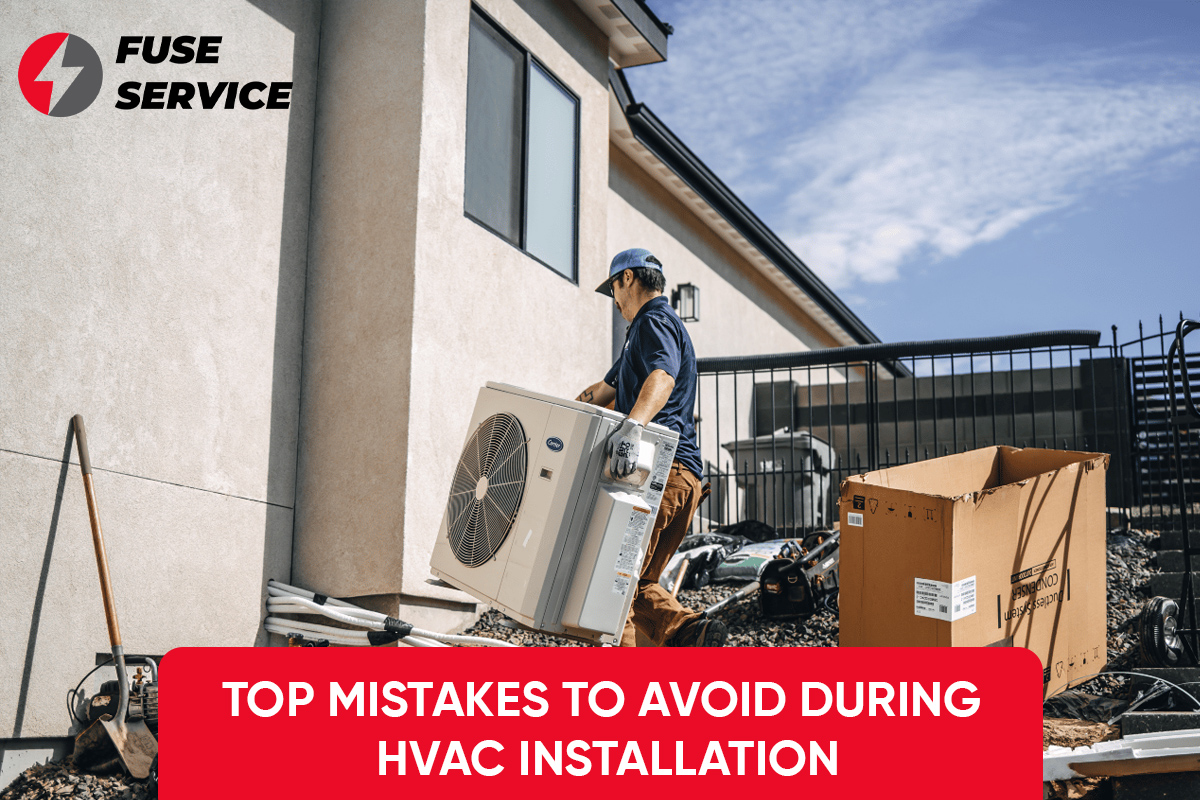
Top Mistakes to Avoid During HVAC Installation
When it comes to heating and cooling installation, even the smallest mistake can cost you big—whether in wasted energy, higher bills, or comfort loss. And while HVAC systems are designed to last for years, their performance and lifespan depend heavily on proper installation. This isn’t just about placing a shiny new unit in your home or business; it’s about ensuring that your investment works at peak efficiency from day one.
In this guide, we’ll explore the most common mistakes that happen during both residential HVAC installation and commercial HVAC installation projects. We’ll mix a little casual, straight-talk advice with expert-level insights, so you’ll know exactly what to avoid—and what to expect—whether you’re hiring a professional or overseeing a project.
Skipping the Proper Sizing Process
Formal tone: One of the most critical mistakes in HVAC installation is failing to size the system properly. If the unit is too large, it may short-cycle, wasting energy and putting extra strain on its components. Conversely, an undersized system will struggle to maintain desired temperatures, resulting in poor comfort and increased energy consumption.
Informal take: Think of it like buying shoes—too big, and you’re tripping over yourself; too small, and you’re in constant pain. In HVAC terms, the wrong size means your system will either overwork or underdeliver. A proper load calculation using industry standards ensures your air conditioning installation service delivers the perfect fit.
Ignoring Ductwork Design and Condition
The performance of your HVAC system depends entirely on the quality of the ductwork that carries the air. Poorly designed or leaky ducts can waste up to 30% of conditioned air before it even reaches the rooms.
In residential HVAC installation, ductwork issues often go unnoticed because they’re hidden behind walls and ceilings. In commercial HVAC installation, poorly planned duct layouts can cause uneven airflow, hot and cold spots, and unnecessary strain on the system. Before installing a new system, have your ducts inspected, sealed, and, if necessary, redesigned for maximum efficiency.
Placing the Unit in the Wrong Location
Formal note: The positioning of an HVAC system is crucial to its overall efficiency and effectiveness. Outdoor units should be installed in shaded, well-ventilated areas to improve efficiency. Indoor units need adequate space to allow proper airflow and make maintenance easier.
Real-world advice: If your contractor installs your outdoor condenser right next to a heat source, under direct sunlight, or in a tight, boxed-in space, you’re asking your system to run a marathon in a sauna. Proper placement can extend system life and reduce operating costs significantly.
Skipping Professional Installation and Permits
DIY may save money in the short term, but HVAC installation is not a weekend project. A licensed installer not only ensures correct installation but also handles local code compliance and permits.
In cities like Georgetown, TX, hiring a professional HVAC installation service, such as Fuse HVAC and Appliance Repair, guarantees your system meets manufacturer specifications and warranty requirements. Skipping proper steps in this process can cancel warranties and result in expensive repairs down the line.
Forgetting About Ventilation and Airflow
Proper airflow is essential for keeping any HVAC system running efficiently. Without proper ventilation, even the most expensive unit won’t deliver consistent comfort.
In air conditioning installation service, poor airflow can cause rooms to feel stuffy, humidity to rise, and cooling to suffer. Commercial spaces face even greater risks, as poor ventilation can impact indoor air quality, employee productivity, and health compliance standards. Always ensure your system design includes balanced airflow for every space.
Overlooking Insulation and Building Envelope
It’s easy to blame the HVAC system for poor performance when the real culprit is your building’s insulation. If your walls, windows, and attic are letting conditioned air escape, your system will be fighting a losing battle.
For residential HVAC installation, sealing leaks and improving insulation before installation helps your system perform efficiently and reduces operating costs. In commercial HVAC installation, evaluating the building envelope is essential for meeting energy codes and achieving long-term savings.
Overlooking insulation and the building envelope can significantly impact HVAC efficiency in commercial spaces. Poor insulation allows conditioned air to escape, forcing systems to work harder and increasing energy costs. Similarly, gaps or leaks in the building envelope can compromise indoor comfort and system performance. During HVAC installation for commercial buildings, addressing insulation and sealing issues ensures optimal energy use, reduces wear on equipment, and enhances occupant comfort. Properly managing these elements creates a more sustainable and cost-effective climate control solution for your business.
Neglecting System Calibration and Testing
Some installers stop once the unit turns on. That’s a mistake. Every system should be calibrated and tested for optimal performance, including thermostat accuracy, refrigerant charge, and airflow measurements.
Skipping these final steps is like buying a high-performance car and never tuning the engine. Proper calibration ensures your heating and cooling installation operates at peak efficiency from the start, saving you from early repairs and high energy bills.
Failing to Plan for Maintenance from Day One
Even a flawless installation won’t keep your system running forever without regular maintenance. Many owners focus solely on the installation process and neglect to set up a service schedule.
A reputable HVAC company will provide a maintenance plan that includes filter changes, seasonal inspections, and performance checks. Whether you have a residential or commercial system, preventive care is the best way to extend equipment life and protect your investment.
Final Thoughts
Steering clear of common HVAC installation errors is key to keeping your system efficient, extending its lifespan, and maintaining steady indoor comfort. From proper sizing and ductwork design to correct placement and insulation, each step plays a vital role in performance. Overlooking these factors can result in increased energy costs, more frequent breakdowns, and reduced indoor air quality. Whether it’s a new build or a system replacement, always work with qualified professionals who follow industry standards and local codes. By investing in expert installation now, you can save money, reduce headaches, and enjoy reliable heating and cooling for years to come.
FAQs
Q1: How long does a residential HVAC installation take?
A: Typically, installations require between one and three days, based on the system’s complexity and whether ductwork changes are needed.
Q2: Do I need a load calculation for my home?
A: Yes. A load calculation ensures the system is sized correctly for your home’s unique heating and cooling needs.
Q3: What’s the difference between residential and commercial HVAC installation?
A: Commercial systems are larger, more complex, and designed to handle greater cooling and heating demands. They also require specialized equipment and expertise.
Q4: Can poor installation void my HVAC warranty?
A: Absolutely. Manufacturers require proper installation by licensed professionals to maintain warranty coverage.
Q5: Is insulation really that important for HVAC efficiency?
A: Yes. Poor insulation forces your HVAC system to work harder, increasing energy costs and reducing lifespan.
In this guide, we’ll explore the most common mistakes that happen during both residential HVAC installation and commercial HVAC installation projects. We’ll mix a little casual, straight-talk advice with expert-level insights, so you’ll know exactly what to avoid—and what to expect—whether you’re hiring a professional or overseeing a project.
Skipping the Proper Sizing Process
Formal tone: One of the most critical mistakes in HVAC installation is failing to size the system properly. If the unit is too large, it may short-cycle, wasting energy and putting extra strain on its components. Conversely, an undersized system will struggle to maintain desired temperatures, resulting in poor comfort and increased energy consumption.
Informal take: Think of it like buying shoes—too big, and you’re tripping over yourself; too small, and you’re in constant pain. In HVAC terms, the wrong size means your system will either overwork or underdeliver. A proper load calculation using industry standards ensures your air conditioning installation service delivers the perfect fit.
Ignoring Ductwork Design and Condition
The performance of your HVAC system depends entirely on the quality of the ductwork that carries the air. Poorly designed or leaky ducts can waste up to 30% of conditioned air before it even reaches the rooms.
In residential HVAC installation, ductwork issues often go unnoticed because they’re hidden behind walls and ceilings. In commercial HVAC installation, poorly planned duct layouts can cause uneven airflow, hot and cold spots, and unnecessary strain on the system. Before installing a new system, have your ducts inspected, sealed, and, if necessary, redesigned for maximum efficiency.
Placing the Unit in the Wrong Location
Formal note: The positioning of an HVAC system is crucial to its overall efficiency and effectiveness. Outdoor units should be installed in shaded, well-ventilated areas to improve efficiency. Indoor units need adequate space to allow proper airflow and make maintenance easier.
Real-world advice: If your contractor installs your outdoor condenser right next to a heat source, under direct sunlight, or in a tight, boxed-in space, you’re asking your system to run a marathon in a sauna. Proper placement can extend system life and reduce operating costs significantly.
Skipping Professional Installation and Permits
DIY may save money in the short term, but HVAC installation is not a weekend project. A licensed installer not only ensures correct installation but also handles local code compliance and permits.
In cities like Georgetown, TX, hiring a professional HVAC installation service, such as Fuse HVAC and Appliance Repair, guarantees your system meets manufacturer specifications and warranty requirements. Skipping proper steps in this process can cancel warranties and result in expensive repairs down the line.
Forgetting About Ventilation and Airflow
Proper airflow is essential for keeping any HVAC system running efficiently. Without proper ventilation, even the most expensive unit won’t deliver consistent comfort.
In air conditioning installation service, poor airflow can cause rooms to feel stuffy, humidity to rise, and cooling to suffer. Commercial spaces face even greater risks, as poor ventilation can impact indoor air quality, employee productivity, and health compliance standards. Always ensure your system design includes balanced airflow for every space.
Overlooking Insulation and Building Envelope
It’s easy to blame the HVAC system for poor performance when the real culprit is your building’s insulation. If your walls, windows, and attic are letting conditioned air escape, your system will be fighting a losing battle.
For residential HVAC installation, sealing leaks and improving insulation before installation helps your system perform efficiently and reduces operating costs. In commercial HVAC installation, evaluating the building envelope is essential for meeting energy codes and achieving long-term savings.
Overlooking insulation and the building envelope can significantly impact HVAC efficiency in commercial spaces. Poor insulation allows conditioned air to escape, forcing systems to work harder and increasing energy costs. Similarly, gaps or leaks in the building envelope can compromise indoor comfort and system performance. During HVAC installation for commercial buildings, addressing insulation and sealing issues ensures optimal energy use, reduces wear on equipment, and enhances occupant comfort. Properly managing these elements creates a more sustainable and cost-effective climate control solution for your business.
Neglecting System Calibration and Testing
Some installers stop once the unit turns on. That’s a mistake. Every system should be calibrated and tested for optimal performance, including thermostat accuracy, refrigerant charge, and airflow measurements.
Skipping these final steps is like buying a high-performance car and never tuning the engine. Proper calibration ensures your heating and cooling installation operates at peak efficiency from the start, saving you from early repairs and high energy bills.
Failing to Plan for Maintenance from Day One
Even a flawless installation won’t keep your system running forever without regular maintenance. Many owners focus solely on the installation process and neglect to set up a service schedule.
A reputable HVAC company will provide a maintenance plan that includes filter changes, seasonal inspections, and performance checks. Whether you have a residential or commercial system, preventive care is the best way to extend equipment life and protect your investment.
Final Thoughts
Steering clear of common HVAC installation errors is key to keeping your system efficient, extending its lifespan, and maintaining steady indoor comfort. From proper sizing and ductwork design to correct placement and insulation, each step plays a vital role in performance. Overlooking these factors can result in increased energy costs, more frequent breakdowns, and reduced indoor air quality. Whether it’s a new build or a system replacement, always work with qualified professionals who follow industry standards and local codes. By investing in expert installation now, you can save money, reduce headaches, and enjoy reliable heating and cooling for years to come.
FAQs
Q1: How long does a residential HVAC installation take?
A: Typically, installations require between one and three days, based on the system’s complexity and whether ductwork changes are needed.
Q2: Do I need a load calculation for my home?
A: Yes. A load calculation ensures the system is sized correctly for your home’s unique heating and cooling needs.
Q3: What’s the difference between residential and commercial HVAC installation?
A: Commercial systems are larger, more complex, and designed to handle greater cooling and heating demands. They also require specialized equipment and expertise.
Q4: Can poor installation void my HVAC warranty?
A: Absolutely. Manufacturers require proper installation by licensed professionals to maintain warranty coverage.
Q5: Is insulation really that important for HVAC efficiency?
A: Yes. Poor insulation forces your HVAC system to work harder, increasing energy costs and reducing lifespan.