How to Improve the Energy Efficiency of Your Commercial Freezer
In the food service and hospitality industry, your commercial freezer isn’t just another piece of equipment—it’s the heart of your business. Whether you’re storing fresh produce, frozen meats, or specialty ingredients, that unit is running 24/7, quietly consuming a significant portion of your energy bill. But what if you could keep your products perfectly chilled and cut down your energy costs at the same time?
Let’s break down some smart, actionable strategies that can make your commercial freezer more energy-efficient—saving you money and preventing costly breakdowns.
1. Keep Your Freezer in Prime Condition with Regular Maintenance
Regular maintenance is the backbone of energy efficiency. Over time, even small issues—like a loose gasket or dirty condenser coil—can make your freezer work harder, driving up energy use.
That’s where professional care matters. Scheduling routine checkups with a walk-in freezer repair service ensures every part runs smoothly. A skilled technician can clean coils, inspect seals, and calibrate thermostats to restore peak performance.
Don’t wait until your unit breaks down to search for commercial freezer repair near me. Preventive maintenance not only reduces power consumption but also extends the lifespan of your equipment.
2. Seal the Deal: Inspect Gaskets and Door Seals
Think of your freezer’s door gaskets as the first line of defense against wasted energy. A cracked or loose seal lets cold air escape and warm air sneak in, forcing the compressor to work overtime.
Inspect the seals regularly—look for cracks, tears, or condensation buildup. Replacing worn gaskets is a quick, inexpensive fix that can dramatically boost efficiency. If you’re managing multiple units, consider hiring a commercial refrigeration repair professional for a full inspection across your facility.
Even the smallest air leaks can add hundreds of dollars to your yearly utility bill. Tight seals equal tight energy control.
3. Keep It Clean: The Power of Simple Housekeeping
It might sound basic, but cleanliness plays a huge role in how efficiently your freezer runs. Dust and grease on condenser coils make heat exchange harder, causing your freezer to draw more power to maintain temperature.
Wipe down interior walls and shelves regularly, and vacuum the coils monthly. For large operations, professional industrial freezer repair technicians can deep-clean hard-to-reach components safely and effectively.
A clean freezer isn’t just more efficient—it’s safer, too. Cleaner air circulation prevents ice buildup and reduces fire risk from overworked electrical components.
4. Optimize Temperature Settings for Performance and Efficiency
More cooling doesn’t always mean better preservation. Many businesses set their freezers colder than necessary, wasting both energy and money.
For most commercial applications, maintaining temperatures between -10°F and 0°F is ideal. Installing a digital thermostat helps you monitor readings accurately and prevent unnecessary fluctuations.
If you notice temperature inconsistencies, it’s worth calling a commercial freezer repair near me service to check the thermostat calibration and ensure accurate performance.
5. Manage Airflow and Storage Layout
Proper airflow is key to consistent cooling. Overloading your freezer blocks vents and prevents even temperature distribution, which makes compressors run longer.
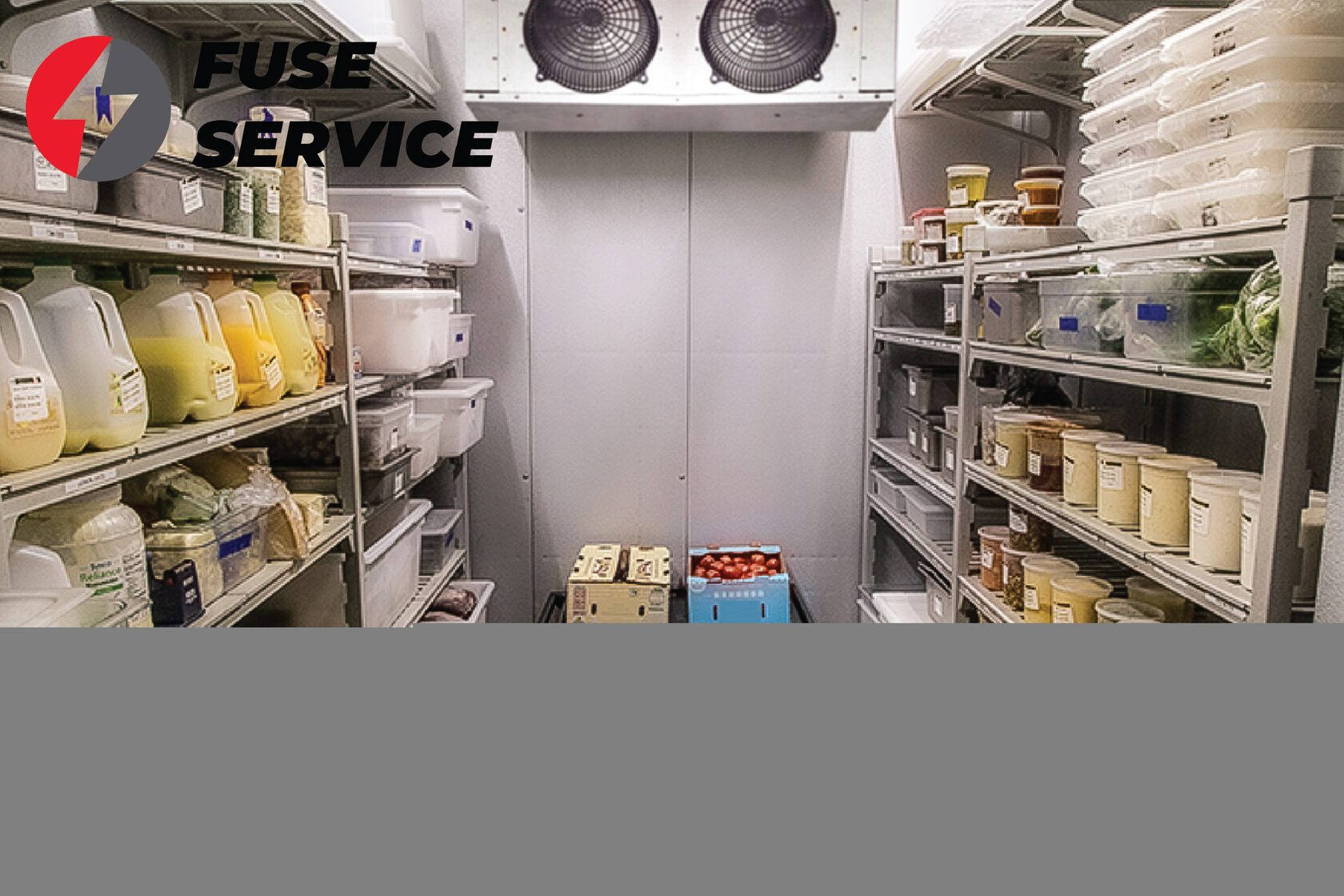
Keep products organized, leaving enough space for air to circulate freely. Avoid placing items directly against the evaporator or fan openings. You can also use shelving systems to improve circulation and reduce strain on cooling components.
If you notice frost buildup or uneven cooling zones, a walk-in freezer repair service can help rebalance airflow and recommend layout improvements.
6. Upgrade to Energy-Efficient Components
Old equipment can be a serious energy drain. If your freezer is more than ten years old, consider upgrading to a model that meets ENERGY STAR standards. These units are designed with advanced compressors, eco-friendly refrigerants, and improved insulation—all of which lower energy use dramatically.
Even small upgrades can make a difference. Swapping out fluorescent lighting for LED bulbs reduces heat output, allowing your system to cool more efficiently. And installing automatic door closers ensures no unnecessary air loss during busy hours.
When planning upgrades, consult a commercial refrigeration repair expert. They can assess your current setup and recommend smart, cost-effective improvements.
7. Defrost Smartly and Regularly
Frost buildup is a silent efficiency killer. Ice on evaporator coils acts as insulation, making it harder for your freezer to remove heat effectively.
Implement a regular defrost schedule—manual or automatic—to prevent ice accumulation. Don’t wait until frost becomes visible or doors start sticking. If your system struggles to defrost properly, it’s time to call an industrial freezer repair technician for a professional tune-up.
Regular defrosting ensures optimal cooling performance while cutting unnecessary strain on your compressor.
8. Monitor, Track, and Adjust Your Energy Use
You can’t improve what you don’t measure. Installing an energy monitoring system helps you track real-time performance and detect inefficiencies early.
Look for unusual power spikes or temperature deviations—they’re often the first sign something’s wrong. Early detection can prevent costly repairs and downtime.
If you spot inconsistencies, schedule a quick checkup with a commercial refrigeration repair professional. Their diagnostic tools can pinpoint underlying issues, from refrigerant leaks to motor inefficiency.
By staying proactive, you’ll maintain not just a cold environment but also a lean energy bill.
9. Train Your Staff on Energy-Efficient Practices
Even the most advanced freezer can’t save energy if it’s used carelessly. Train your staff to practice good habits—like closing doors tightly, not propping them open, and minimizing how often they’re opened during peak hours.
Encourage everyone to report unusual noises, frost buildup, or temperature fluctuations right away. A quick service call from a commercial freezer repair near me provider can prevent a small problem from escalating into a major breakdown.
Smart operation habits can cut energy costs by up to 20%, all without new equipment or expensive upgrades.
10. Partner with a Reliable Commercial Freezer Repair Expert
No energy-efficiency plan is complete without a trusted partner. A professional technician can help you maintain your system year-round, spot issues early, and implement custom energy-saving solutions.
If you’re in Texas, Fuse HVAC & Appliance Repair provides top-notch maintenance and walk-in freezer repair services to keep your commercial units in peak condition. From temperature recalibration to coil cleaning, their experts ensure your business stays cool—and your energy bills are low.
Final Thoughts
Improving the energy efficiency of your commercial freezer isn’t just about cutting costs—it’s about ensuring long-term reliability and sustainability for your business. By maintaining proper temperature settings, cleaning coils regularly, sealing door gaskets, and scheduling professional maintenance, you can keep your freezer running smoothly while reducing energy waste. Investing in energy-efficient equipment and smart monitoring systems can also make a big difference in your bottom line. For expert assistance and reliable commercial freezer maintenance, contact Fuse HVAC & Appliance Repair in Austin, TX—your trusted partner in keeping your commercial refrigeration system efficient and dependable all year long.
FAQs
Q1: How often should I schedule maintenance for my commercial freezer?
A: At least twice a year is recommended. Seasonal maintenance helps identify issues before they become major, saving energy and repair costs.
Q2: Can energy-efficient upgrades really save money?
A: Absolutely. Upgrading to ENERGY STAR equipment or LED lighting can cut energy costs by up to 30%.
Q3: What’s a common cause of energy waste in freezers?
A: Leaky door seals and dirty coils are the top culprits. These small issues force compressors to work harder, increasing energy consumption.
Q4: When should I call a professional for help?
A: If you notice inconsistent temperatures, frost buildup, or rising energy bills, contact a commercial refrigeration repair technician right away.
Q5: What’s the difference between commercial and industrial freezer repair?
A: Commercial repairs focus on restaurant- or store-level units, while industrial freezer repair covers larger-scale systems in manufacturing or storage facilities.
Let’s break down some smart, actionable strategies that can make your commercial freezer more energy-efficient—saving you money and preventing costly breakdowns.
1. Keep Your Freezer in Prime Condition with Regular Maintenance
Regular maintenance is the backbone of energy efficiency. Over time, even small issues—like a loose gasket or dirty condenser coil—can make your freezer work harder, driving up energy use.
That’s where professional care matters. Scheduling routine checkups with a walk-in freezer repair service ensures every part runs smoothly. A skilled technician can clean coils, inspect seals, and calibrate thermostats to restore peak performance.
Don’t wait until your unit breaks down to search for commercial freezer repair near me. Preventive maintenance not only reduces power consumption but also extends the lifespan of your equipment.
2. Seal the Deal: Inspect Gaskets and Door Seals
Think of your freezer’s door gaskets as the first line of defense against wasted energy. A cracked or loose seal lets cold air escape and warm air sneak in, forcing the compressor to work overtime.
Inspect the seals regularly—look for cracks, tears, or condensation buildup. Replacing worn gaskets is a quick, inexpensive fix that can dramatically boost efficiency. If you’re managing multiple units, consider hiring a commercial refrigeration repair professional for a full inspection across your facility.
Even the smallest air leaks can add hundreds of dollars to your yearly utility bill. Tight seals equal tight energy control.
3. Keep It Clean: The Power of Simple Housekeeping
It might sound basic, but cleanliness plays a huge role in how efficiently your freezer runs. Dust and grease on condenser coils make heat exchange harder, causing your freezer to draw more power to maintain temperature.
Wipe down interior walls and shelves regularly, and vacuum the coils monthly. For large operations, professional industrial freezer repair technicians can deep-clean hard-to-reach components safely and effectively.
A clean freezer isn’t just more efficient—it’s safer, too. Cleaner air circulation prevents ice buildup and reduces fire risk from overworked electrical components.
4. Optimize Temperature Settings for Performance and Efficiency
More cooling doesn’t always mean better preservation. Many businesses set their freezers colder than necessary, wasting both energy and money.
For most commercial applications, maintaining temperatures between -10°F and 0°F is ideal. Installing a digital thermostat helps you monitor readings accurately and prevent unnecessary fluctuations.
If you notice temperature inconsistencies, it’s worth calling a commercial freezer repair near me service to check the thermostat calibration and ensure accurate performance.
5. Manage Airflow and Storage Layout
Proper airflow is key to consistent cooling. Overloading your freezer blocks vents and prevents even temperature distribution, which makes compressors run longer.
Keep products organized, leaving enough space for air to circulate freely. Avoid placing items directly against the evaporator or fan openings. You can also use shelving systems to improve circulation and reduce strain on cooling components.
If you notice frost buildup or uneven cooling zones, a walk-in freezer repair service can help rebalance airflow and recommend layout improvements.
6. Upgrade to Energy-Efficient Components
Old equipment can be a serious energy drain. If your freezer is more than ten years old, consider upgrading to a model that meets ENERGY STAR standards. These units are designed with advanced compressors, eco-friendly refrigerants, and improved insulation—all of which lower energy use dramatically.
Even small upgrades can make a difference. Swapping out fluorescent lighting for LED bulbs reduces heat output, allowing your system to cool more efficiently. And installing automatic door closers ensures no unnecessary air loss during busy hours.
When planning upgrades, consult a commercial refrigeration repair expert. They can assess your current setup and recommend smart, cost-effective improvements.
7. Defrost Smartly and Regularly
Frost buildup is a silent efficiency killer. Ice on evaporator coils acts as insulation, making it harder for your freezer to remove heat effectively.
Implement a regular defrost schedule—manual or automatic—to prevent ice accumulation. Don’t wait until frost becomes visible or doors start sticking. If your system struggles to defrost properly, it’s time to call an industrial freezer repair technician for a professional tune-up.
Regular defrosting ensures optimal cooling performance while cutting unnecessary strain on your compressor.
8. Monitor, Track, and Adjust Your Energy Use
You can’t improve what you don’t measure. Installing an energy monitoring system helps you track real-time performance and detect inefficiencies early.
Look for unusual power spikes or temperature deviations—they’re often the first sign something’s wrong. Early detection can prevent costly repairs and downtime.
If you spot inconsistencies, schedule a quick checkup with a commercial refrigeration repair professional. Their diagnostic tools can pinpoint underlying issues, from refrigerant leaks to motor inefficiency.
By staying proactive, you’ll maintain not just a cold environment but also a lean energy bill.
9. Train Your Staff on Energy-Efficient Practices
Even the most advanced freezer can’t save energy if it’s used carelessly. Train your staff to practice good habits—like closing doors tightly, not propping them open, and minimizing how often they’re opened during peak hours.
Encourage everyone to report unusual noises, frost buildup, or temperature fluctuations right away. A quick service call from a commercial freezer repair near me provider can prevent a small problem from escalating into a major breakdown.
Smart operation habits can cut energy costs by up to 20%, all without new equipment or expensive upgrades.
10. Partner with a Reliable Commercial Freezer Repair Expert
No energy-efficiency plan is complete without a trusted partner. A professional technician can help you maintain your system year-round, spot issues early, and implement custom energy-saving solutions.
If you’re in Texas, Fuse HVAC & Appliance Repair provides top-notch maintenance and walk-in freezer repair services to keep your commercial units in peak condition. From temperature recalibration to coil cleaning, their experts ensure your business stays cool—and your energy bills are low.
Final Thoughts
Improving the energy efficiency of your commercial freezer isn’t just about cutting costs—it’s about ensuring long-term reliability and sustainability for your business. By maintaining proper temperature settings, cleaning coils regularly, sealing door gaskets, and scheduling professional maintenance, you can keep your freezer running smoothly while reducing energy waste. Investing in energy-efficient equipment and smart monitoring systems can also make a big difference in your bottom line. For expert assistance and reliable commercial freezer maintenance, contact Fuse HVAC & Appliance Repair in Austin, TX—your trusted partner in keeping your commercial refrigeration system efficient and dependable all year long.
FAQs
Q1: How often should I schedule maintenance for my commercial freezer?
A: At least twice a year is recommended. Seasonal maintenance helps identify issues before they become major, saving energy and repair costs.
Q2: Can energy-efficient upgrades really save money?
A: Absolutely. Upgrading to ENERGY STAR equipment or LED lighting can cut energy costs by up to 30%.
Q3: What’s a common cause of energy waste in freezers?
A: Leaky door seals and dirty coils are the top culprits. These small issues force compressors to work harder, increasing energy consumption.
Q4: When should I call a professional for help?
A: If you notice inconsistent temperatures, frost buildup, or rising energy bills, contact a commercial refrigeration repair technician right away.
Q5: What’s the difference between commercial and industrial freezer repair?
A: Commercial repairs focus on restaurant- or store-level units, while industrial freezer repair covers larger-scale systems in manufacturing or storage facilities.