by
by 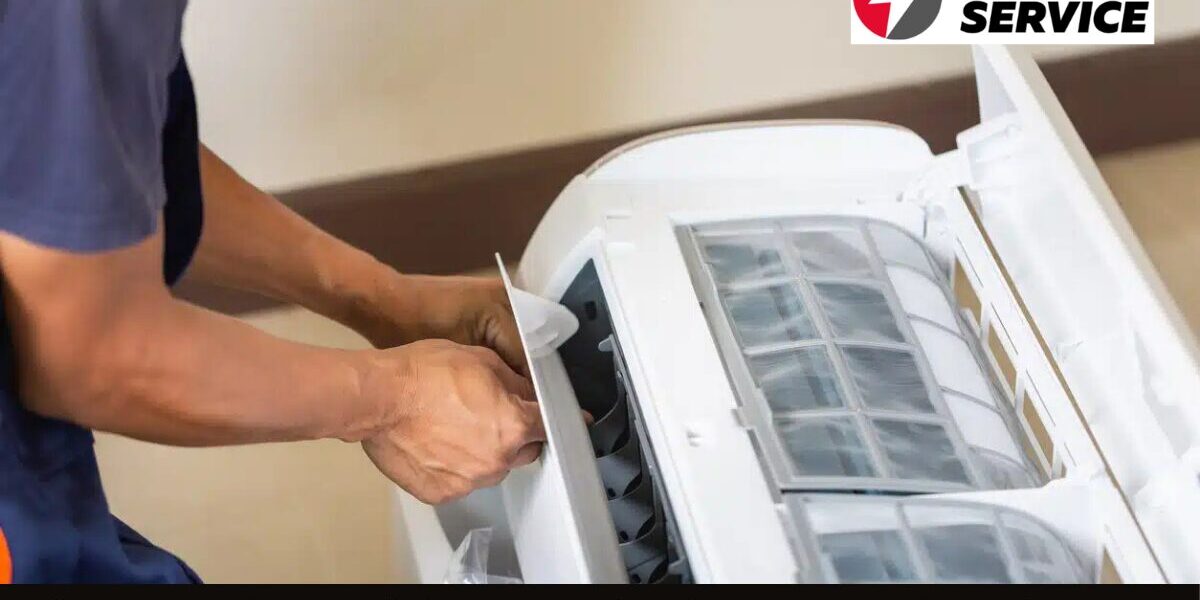
When your air conditioner blows warm air, the cause could be a dirty air filter, low refrigerant, a frozen evaporator coil, an electrical issue, or a faulty thermostat. Checking basic problems like replacing the filter and adjusting settings can help, but some issues require professional AC repair. Regular maintenance and timely repairs can keep your cooling system running efficiently and prevent costly breakdowns.
Introduction
Have you ever turned on your air conditioner expecting cool, refreshing air, only to feel warm air coming from the vents? It can be frustrating, especially during hot weather when you need reliable comfort. A warm air problem can occur for several reasons, including dirty filters, low refrigerant levels, thermostat issues, or mechanical failures. The good news is that many AC problems can be identified and fixed with the right approach. In this guide, we’ll explore the common causes of warm air from your AC and the steps you can take to restore cool airflow quickly and effectively.
Check Your Thermostat Settings Before Calling for Help
One of the easiest reasons your air conditioner may be blowing warm air is an incorrect thermostat setting. Many AC problems stem from simple mistakes, such as switching the thermostat to “heat” mode or setting the temperature above the current room temperature. Before assuming there is a serious issue, check that your thermostat is set to “cool” mode and the fan setting is adjusted correctly.
If your thermostat is working but your AC still does not cool, check the batteries if it is a battery-powered model. Weak batteries can cause incorrect temperature readings or prevent your system from responding properly. Also, make sure the thermostat is placed away from direct sunlight or heat-producing appliances because these factors can affect its accuracy.
A smart thermostat can also develop connectivity or programming issues. Resetting the thermostat may solve the problem temporarily. However, if the AC continues blowing warm air, it may indicate a deeper issue that requires an HVAC repair service.
Dirty Air Filters Can Restrict Cooling Performance
A clogged air filter is another common reason your air conditioner is not cooling properly. The air filter collects dust, dirt, and airborne particles to protect your HVAC system. Over time, the filter can become too dirty, restricting airflow and making it difficult for your AC to distribute cool air throughout your home.
When airflow becomes limited, your system has to work much harder to maintain the desired temperature. This extra strain can cause the evaporator coil to freeze, which prevents your AC from producing cold air. Replacing a dirty filter regularly is one of the easiest ways to maintain efficiency and avoid unnecessary repairs.
Most homeowners should check their air filters every month, especially during heavy cooling seasons. If replacing the filter does not solve the issue, contact an AC technician to inspect other components. A professional can identify whether the problem is related to airflow, electrical parts, or the cooling system itself.
Low Refrigerant Levels May Be the Real Problem
Refrigerant plays a major role in the cooling process of your air conditioner. It absorbs heat from inside your home and releases it outside. If your AC has low refrigerant levels, it cannot properly remove heat, resulting in warm air blowing from your vents.
A common misunderstanding is that refrigerant gets used up like fuel. In reality, refrigerant should remain in the system unless there is a leak. Low refrigerant usually indicates a leak somewhere in the AC system. Ignoring this issue can damage your compressor, which is one of the most expensive parts to replace.
If you notice weak cooling, ice buildup on refrigerant lines, or unusual hissing sounds, it may be time for professional AC repair. A trained technician can locate the leak, repair it, and recharge the system safely to restore proper cooling.
Outdoor Unit Problems Can Stop Your AC From Cooling
Your outdoor AC unit plays a critical role in removing heat from your home. If the outdoor condenser unit is dirty, blocked, or not running, your indoor air conditioner may blow warm air. Leaves, grass, dirt, and debris can collect around the unit and reduce its ability to release heat.
Start by checking whether your outdoor unit is running when the AC is turned on. If the fan is not spinning or you hear strange noises, there could be an electrical or mechanical issue. Sometimes, a tripped circuit breaker can also stop the outdoor unit from working.
Keep the area around your condenser clean and free from obstructions. However, if the unit continues failing, avoid trying complex repairs yourself. A qualified HVAC professional can safely diagnose the problem and provide the correct solution.
Frozen Evaporator Coils Can Cause Warm Air
The evaporator coil inside your AC system absorbs heat from your indoor air. When the coil becomes frozen, it cannot absorb heat properly, and your vents may start blowing warm air. Frozen coils are often caused by restricted airflow, dirty filters, low refrigerant, or mechanical problems.
You may notice ice forming on the copper refrigerant lines or water leaking around your indoor unit as the ice melts. If this happens, turn off the cooling system and allow the ice to completely thaw. Running your AC while the coil is frozen can cause additional damage.
After the coil has thawed, check your air filter and airflow. If freezing happens again, you should schedule a professional inspection. Repeated freezing often points to a larger issue that requires expert attention.
Electrical Issues Can Interrupt Your Cooling System
Your air conditioner depends on several electrical components to operate correctly. Problems with capacitors, wiring, circuit breakers, or relays can prevent your AC from cooling even if the indoor fan is running. In some cases, you may hear your AC turning on, but the outdoor unit may fail to start.
Electrical problems should always be handled carefully because improper repairs can create safety hazards. If your AC suddenly starts blowing warm air after a power outage or electrical problem, check your breaker panel first. Resetting a tripped breaker may restore operation.
If the issue continues, contact a reliable local AC repair company. Professionals have the tools and training to inspect electrical connections safely and replace damaged parts when needed.
When You Need Emergency AC Repair
Sometimes an AC problem happens at the worst possible time, such as during a heat wave or when temperatures become uncomfortable quickly. If your air conditioner stops cooling completely, leaks water, makes loud noises, or shows signs of electrical failure, you may need emergency AC repair.
Waiting too long can turn a small problem into a major breakdown. For example, a minor refrigerant leak can eventually damage the compressor. Similarly, ignoring strange sounds may lead to complete system failure.
Emergency service is especially important for families with young children, elderly residents, or businesses that depend on comfortable indoor temperatures. Fast professional assistance can restore your cooling system and prevent further damage.
Professional Repairs Keep Your AC Running Efficiently
While some AC issues have simple fixes, many cooling problems require professional knowledge. A trained technician can inspect your system, identify the exact cause, and recommend the best repair option. Attempting complicated repairs without proper experience can lead to more damage and higher costs.
A professional AC repair service can address problems ranging from refrigerant leaks and electrical failures to airflow restrictions and compressor issues. Regular maintenance also helps your system run efficiently and reduces the chance of unexpected breakdowns.
Whether you need help at home or for your business, choosing an experienced repair provider makes a difference. Reliable experts offering residential AC repair and commercial AC repair can help extend your system’s lifespan and improve comfort.
Keep Your AC Cool and Reliable With Expert Help
An air conditioner blowing warm air is more than just an inconvenience. It can be a sign that your cooling system needs attention. From thermostat problems and dirty filters to refrigerant leaks and electrical failures, several issues can prevent your AC from working properly.
The best way to avoid major cooling problems is to schedule regular maintenance and address small issues early. Professional inspections help keep your system efficient, reduce energy waste, and prevent expensive repairs.
If your AC is struggling to keep your home or business comfortable, Fuse HVAC and Appliance Repair is ready to help. Their experienced team provides reliable HVAC solutions, including professional AC repair services designed to restore comfort quickly.
Conclusion
If your air conditioner is blowing warm air, addressing the issue quickly can help restore comfort and prevent bigger system problems. Simple fixes like changing filters or checking thermostat settings may solve minor issues, but complex problems often need professional attention. Regular AC maintenance also plays an important role in keeping your cooling system efficient and reliable. If you’re dealing with poor airflow, refrigerant problems, or unexpected AC breakdowns, Fuse Service HVAC and Appliance Repair Austin provides expert AC repair services to diagnose and fix cooling issues. Their skilled technicians help keep your home comfortable with fast, dependable solutions.
FAQs
Q: Why is my AC blowing warm air, but the fan is running?
A: If your fan is running but warm air is coming out, the issue may be related to refrigerant levels, frozen coils, thermostat settings, or outdoor unit problems. A professional inspection can help identify the exact cause.
Q: Can a dirty air filter make my AC blow warm air?
A: Yes. A dirty air filter restricts airflow and can prevent your AC from cooling effectively. Replacing the filter regularly can improve performance and efficiency.
Q: How do I know if my AC needs professional repair?
A: If your AC makes unusual noises, leaks, freezes up, struggles to cool, or continues blowing warm air after basic troubleshooting, it is best to contact an experienced HVAC professional.
Q: Is low refrigerant a common AC problem?
A: Yes, but low refrigerant usually means there is a leak. Refrigerant does not normally run out, so a technician should find and repair the source of the leak.
Q: How quickly can an AC technician fix warm air problems?
A: The repair time depends on the cause. Simple issues may take less than an hour, while problems involving electrical parts or refrigerant leaks may require more time.
Q: Should I replace my AC if it keeps blowing warm air?
A: Not always. Many cooling problems can be repaired. A professional can determine whether repair or replacement is the better option based on your system’s age and condition.
Q: Can regular maintenance prevent AC problems?
A: Yes. Routine maintenance helps identify small issues before they become major failures, improves efficiency, and keeps your air conditioner working longer.