by
by 
Common heating problems like strange noises, weak airflow, uneven heating, frequent cycling, or unusual odors should never be ignored. Addressing these warning signs early can prevent expensive repairs, improve energy efficiency, and keep your home safe and comfortable.
Introduction
A reliable heating system is essential for keeping your home warm, comfortable, and safe during cold weather. However, even a well-maintained furnace or heating system can develop problems over time. Strange noises, unusual odors, weak airflow, uneven temperatures, frequent cycling, and rising energy bills may seem minor at first, but they can indicate underlying issues that require attention. Ignoring these warning signs can lead to costly repairs, reduced efficiency, or even safety concerns. Therefore, homeowners should recognize common heating problems and address them promptly. Understanding these issues can help protect your heating system, improve indoor comfort, and prevent unexpected breakdowns when you need reliable heat most.
1. Don’t Ignore Strange Noises Coming From Your Heating System
Heating equipment naturally makes some noise when it starts and stops, but sudden or unusual sounds deserve attention. Banging, rattling, squealing, grinding, clicking, or buzzing may indicate loose components, worn belts, motor problems, airflow restrictions, or electrical issues. A small mechanical problem can become more serious when the equipment continues operating under stress. Instead of turning up the thermostat and hoping the sound disappears, homeowners should have the system inspected. Prompt heating system repair can identify the source of the noise before it develops into a larger and more expensive failure.
Common warning sounds include:
- Banging or booming: May indicate delayed ignition or burner problems in a furnace.
- Grinding: Can point to worn motor bearings or other moving components.
- Rattling: May suggest loose panels, screws, or internal parts.
- Squealing: Could be related to belts, bearings, or airflow components.
- Clicking: Repeated clicking can indicate ignition or electrical problems.
2. Take Weak or Uneven Airflow Seriously
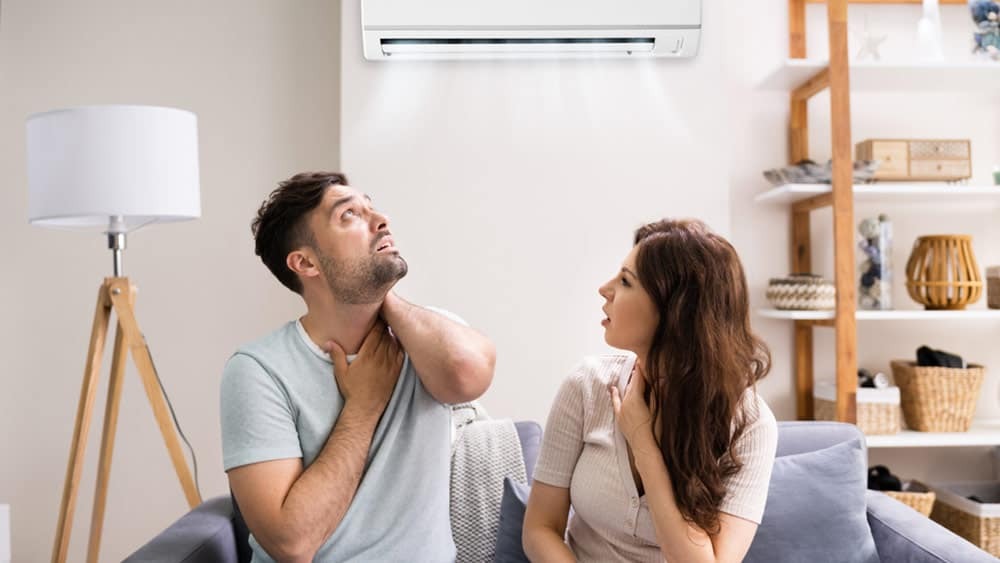
If some rooms feel comfortable while others remain noticeably cold, your heating system may not be distributing warm air properly. Weak airflow can result from a clogged filter, blocked vents, dirty ductwork, damaged ducts, blower problems, or an undersized system. Closing too many vents can also interfere with proper circulation. Although replacing a dirty filter is a simple homeowner task, persistent airflow problems deserve professional attention. A qualified technician can inspect the blower, ductwork, registers, and other components to determine why warm air isn’t reaching every area effectively.
3. Watch for Frequent Cycling and Constant On-and-Off Operation
A heating system that repeatedly turns on and off in short intervals may be experiencing short cycling. This problem can prevent your home from reaching a consistent temperature while placing unnecessary stress on the equipment. Several issues can cause short cycling, including restricted airflow, thermostat problems, an oversized heating system, overheating components, or inadequate maintenance. Ignoring the pattern can increase energy consumption and accelerate component wear. If your heater seems unable to complete a normal heating cycle, schedule a professional inspection rather than repeatedly adjusting the thermostat.
4. Never Overlook Unusual Smells
An unfamiliar smell coming from a heating system should never automatically be considered normal. Dust burning off at the beginning of the heating season can sometimes create a temporary odor, but persistent or unusual smells may signal a problem. A burning electrical smell, strong fuel odor, or smell resembling overheated plastic requires immediate attention. In particular, homeowners with fuel-burning equipment should take potential combustion problems seriously. If you suspect a gas leak, leave the area and contact the appropriate emergency service or utility provider. For other persistent odors, arrange professional heating system repair before continuing normal operation.
5. Pay Attention to Rising Energy Bills
Your heating system doesn’t necessarily have to stop working before it needs service. A noticeable increase in heating costs without a comparable change in weather, usage, or utility rates can be a warning sign. Dirty filters, aging components, poor airflow, malfunctioning thermostats, clogged burners, and reduced system efficiency can all make equipment work harder than necessary. Regular heating maintenance service can help identify efficiency problems before they become major repairs. Homeowners should compare energy usage over time and investigate unexplained increases instead of simply accepting higher bills as a normal part of winter.
6. Schedule Repairs When Your Home Won’t Maintain a Comfortable Temperature
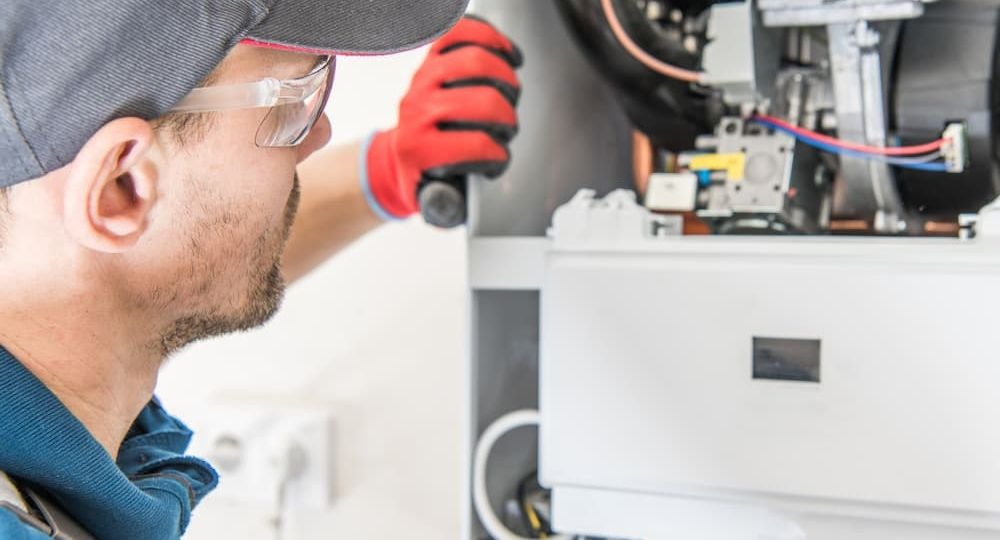
If you set the thermostat to a comfortable temperature but your home remains cold, your heating system may not be producing or distributing enough heat. The problem could involve a faulty thermostat, dirty components, inadequate airflow, damaged ductwork, refrigerant-related issues in certain heat pumps, or a failing heating component. Before assuming the system needs replacement, have a professional diagnose the issue. A dependable furnace repair service can determine whether a repair, adjustment, cleaning, or replacement component is appropriate. Early diagnosis can also prevent the system from operating continuously while struggling to reach the desired temperature.
7. Don’t Wait for a Complete Breakdown to Schedule Maintenance
One of the biggest heating mistakes homeowners make is waiting until the equipment stops working before calling a professional. Preventive care allows technicians to inspect important components, identify developing problems, and keep the system operating efficiently. A proper heating system maintenance visit may include inspecting electrical connections, checking safety controls, examining moving components, evaluating airflow, and cleaning appropriate parts. Following a routine maintenance schedule can also help homeowners identify aging equipment before it fails unexpectedly.
8. Know When a Heating Problem Requires Immediate Professional Help
Not every heating issue is an emergency, but certain warning signs should never be postponed. A homeowner should use good judgment when deciding whether to shut down equipment and seek immediate professional assistance. Problems involving gas, smoke, electrical burning, carbon monoxide concerns, or significant mechanical failure can create serious risks. Never attempt complex repairs without the appropriate training, tools, and safety knowledge. Instead, turn to qualified professionals who can safely diagnose the equipment. Knowing when to stop troubleshooting yourself is just as important as recognizing the original warning sign.
Seek professional help promptly when you notice:
- A suspected gas leak or strong fuel odor
- Smoke or signs of burning
- Repeated electrical breaker trips
- Carbon monoxide alarm activation
- Severe banging or mechanical noises
- Complete loss of heat during very cold weather
- Water or other unexpected fluid around equipment
- A heating system that repeatedly overheats or shuts down
Keep Your Heating System Reliable With Preventive Care
Homeowners don’t need to become HVAC experts to protect their heating equipment. The most important step is simply paying attention when something changes. A strange sound, unusual smell, weak airflow, rising energy bill, or inconsistent temperature can be an early warning that deserves investigation. Taking action early can often prevent minor issues from developing into major breakdowns.
Professional heating system maintenance also provides an opportunity to identify worn or deteriorating components before they cause an unexpected failure. Along with routine maintenance, homeowners should replace filters as recommended, keep vents and registers unobstructed, and avoid ignoring recurring performance problems. Preventive care isn’t just about keeping the system running—it helps support dependable comfort throughout the heating season.
Choose Professional Heating Repair Before a Small Problem Gets Bigger
When a heating system shows warning signs, postponing service may seem like a way to save money, but it can have the opposite effect. A minor component issue can place additional strain on other parts, potentially increasing repair costs and reducing equipment life. Professional technicians have the experience to diagnose the underlying cause rather than simply treating the most obvious symptom.
Whether you need a Heating repair service, Heating system repair, or a professional Furnace repair service, timely attention can make your home more comfortable and your system more dependable. Likewise, regular Heating maintenance service and Heating system maintenance can help identify problems before they become disruptive. When in doubt, getting a professional evaluation is usually safer than guessing.
Wrapping Up
Ignoring heating problems can turn a small issue into an expensive and inconvenient repair. Warning signs such as unusual sounds, weak airflow, strange odors, uneven heating, or frequent system cycling deserve prompt attention. By acting early, homeowners can improve heating efficiency, maintain indoor comfort, and reduce the risk of unexpected breakdowns during colder weather. Professional inspection and timely maintenance can also help extend the life of your heating equipment. If your system is showing signs of trouble, consider contacting Fuse Service HVAC and Appliance Repair Austin for dependable heating repair and HVAC assistance. Taking action today can help keep your home warm, efficient, and comfortable throughout the season.
FAQs
Q: How often should a heating system receive professional maintenance?
A: Most residential heating systems benefit from professional maintenance at least once a year. Ideally, maintenance should be scheduled before the heating season begins so potential problems can be identified before the system faces heavy demand.
Q: Why is my furnace making a loud banging noise?
A: A banging sound can have several causes, including delayed ignition, dirty burners, loose components, or mechanical problems. Because some causes can affect safety or equipment performance, it’s best to have a qualified technician inspect the furnace.
Q: Why does my heating system keep turning on and off?
A: Frequent cycling may result from a dirty filter, restricted airflow, a thermostat issue, overheating, or an improperly sized system. A professional diagnosis can identify the actual cause and prevent unnecessary component wear.
Q: Can a dirty filter cause heating problems?
A: Yes. A heavily clogged filter can restrict airflow, make the system work harder, reduce comfort, and contribute to overheating or short cycling. Check and replace filters according to the manufacturer’s recommendations.
Q: Is an unusual smell from a heater normal?
A: A temporary dusty smell can occur when a heating system is first used after sitting idle. However, persistent burning, electrical, plastic, or fuel-like odors should not be ignored. Shut down the equipment when appropriate and seek professional assistance.
Q: When should I repair my furnace instead of replacing it?
A: The answer depends on the equipment’s age, condition, repair cost, efficiency, and frequency of breakdowns. A qualified technician can evaluate the system and help you determine whether repairing or replacing it makes the most practical long-term sense.
Q: Does regular heating maintenance really save money?
A: Routine maintenance can help keep equipment operating efficiently and identify developing problems earlier. While maintenance cannot prevent every breakdown, it can reduce avoidable performance issues and help homeowners make informed repair decisions.
Q: What should I do if my heating system stops working during winter?
A: First, check simple issues such as the thermostat setting and power supply, if it is safe to do so. If the system still doesn’t operate, avoid repeatedly resetting it or attempting complex repairs. Contact a qualified heating professional for diagnosis.