by
by 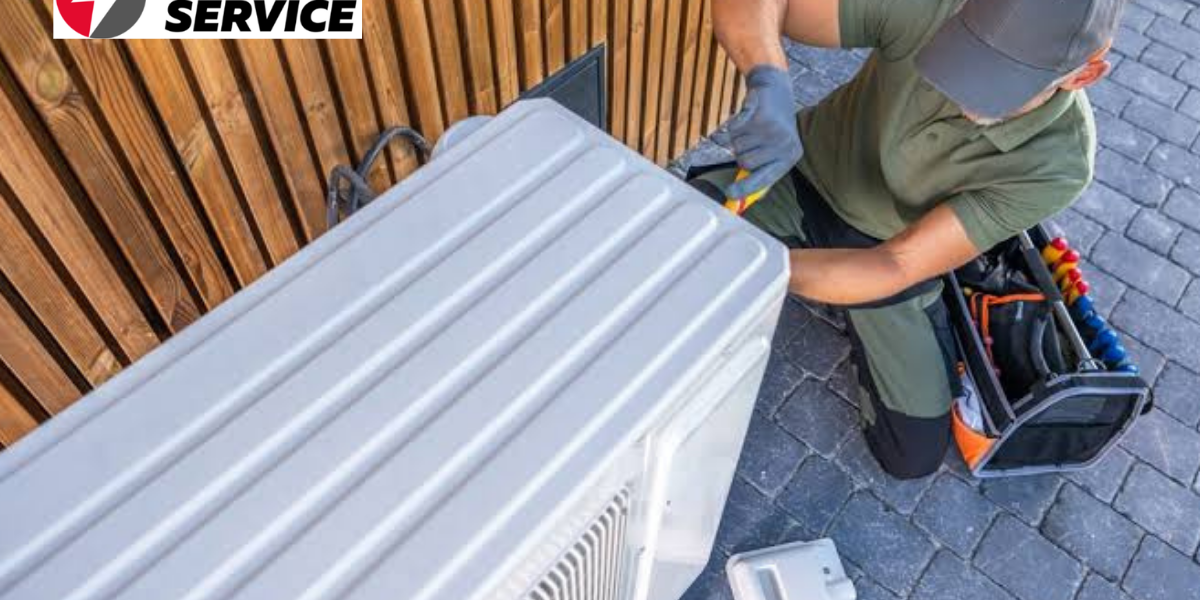
Seasonal HVAC maintenance helps control operating costs by keeping your system efficient, reducing energy consumption, and preventing costly breakdowns. Regular inspections also extend equipment life and help maintain consistent indoor comfort.
Introduction
Seasonal HVAC maintenance is an important part of keeping your heating and cooling system efficient, reliable, and affordable to operate. Over time, dust, worn components, clogged filters, and minor mechanical issues can force an HVAC system to work harder, increasing energy consumption and monthly utility bills. Regular maintenance helps identify and correct these problems before they become expensive repairs or major breakdowns. In addition, a well-maintained system can provide more consistent comfort while reducing unnecessary strain on key components. By scheduling professional HVAC maintenance before demanding seasons, homeowners can improve system performance, control operating costs, and potentially extend the overall lifespan of their equipment.
Reduce Unnecessary Energy Consumption
An HVAC system that receives regular maintenance does not have to work as hard to heat or cool a property. Cleaning components, replacing dirty filters, and checking airflow allow equipment to operate efficiently. As a result, your system can maintain comfortable temperatures while using less energy, helping homeowners and businesses keep monthly utility costs under control.
Prevent Small Problems From Becoming Expensive
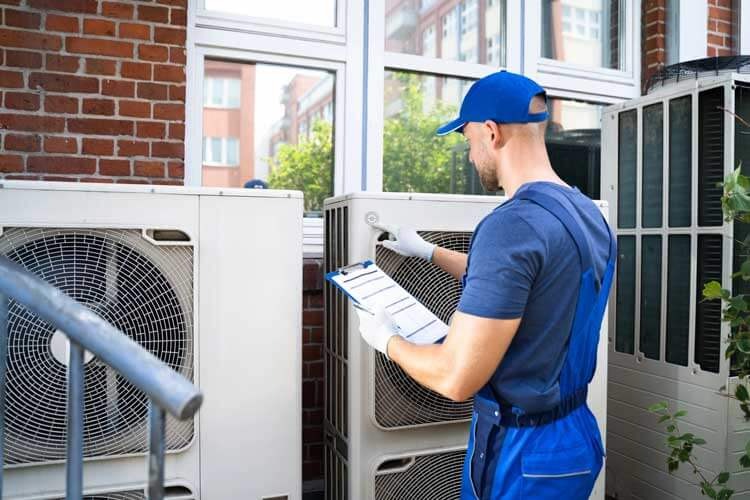
Minor HVAC problems can quickly develop into major repairs when ignored. A loose electrical connection, worn belt, or refrigerant issue may initially seem harmless, but continued operation can cause additional damage. Scheduling an AC maintenance service allows technicians to identify developing problems early, reducing repair expenses and preventing inconvenient system breakdowns during extreme weather.
Extend the Life of Your HVAC Equipment
Replacing an HVAC system can be expensive, so regular care helps you get more value from your investment. Routine HVAC system maintenance reduces stress on essential components and helps equipment operate smoothly. Seasonal maintenance can also catch problems early, before they cause serious damage or require premature replacement.
- Reduce component wear: Proper maintenance minimizes strain on motors, belts, coils, and electrical parts.
- Prevent major damage: Technicians can identify minor issues before they develop into costly system failures.
- Maintain efficiency: Clean and properly adjusted components allow the system to operate more effectively.
- Delay replacement: Consistent maintenance can help extend equipment life and postpone the expense of installing a new HVAC system.
Improve Heating and Cooling Performance
A poorly maintained system may struggle to distribute conditioned air evenly throughout your property. Seasonal inspections help technicians evaluate airflow, filters, thermostats, ductwork, and other important components. With everything operating properly, your HVAC equipment can provide more consistent temperatures and comfort. Better performance also reduces the temptation to adjust settings, which can increase energy usage constantly.
Lower the Risk of Emergency Repairs
Unexpected HVAC breakdowns often happen at the worst possible time, particularly during extremely hot summers or cold winters. Professional HVAC maintenance helps identify worn or damaged components before they fail. Addressing these concerns during a scheduled appointment is usually more convenient and predictable than dealing with an emergency repair, helping you avoid stressful and costly service situations.
Keep Filters and Coils Working Efficiently
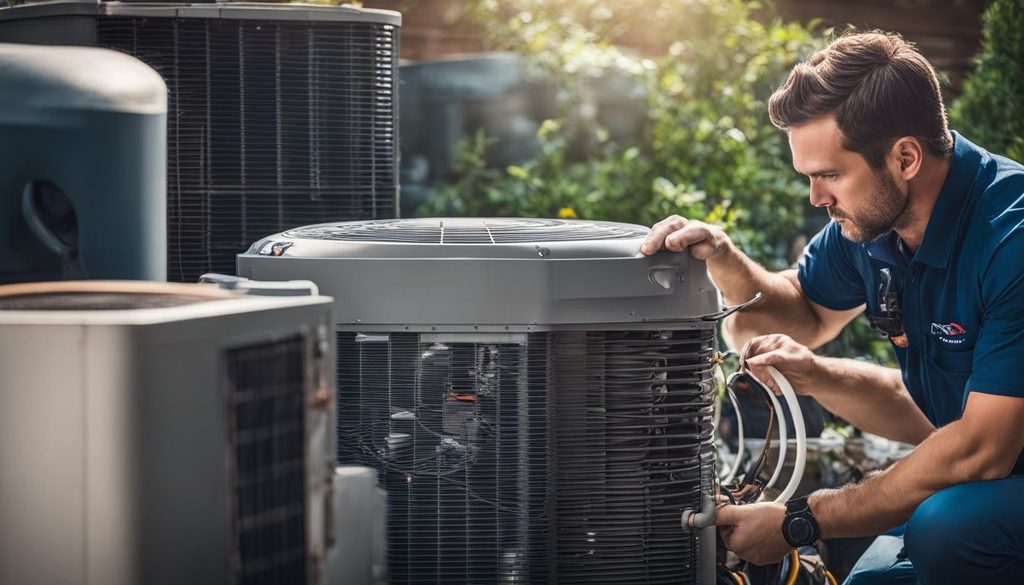
Dirty filters and coils can restrict airflow and force HVAC equipment to operate longer to achieve the desired temperature. During seasonal maintenance, technicians can clean important components and replace filters when necessary. This simple preventive care helps improve system efficiency while supporting better indoor comfort. Therefore, regular cleaning can contribute to lower operating expenses throughout the year.
Support Reliable Residential HVAC Maintenance
For homeowners, Residential HVAC maintenance provides an effective way to protect comfort while managing household expenses. Seasonal inspections can uncover issues with furnaces, air conditioners, heat pumps, thermostats, and airflow before they become serious. Regular service also gives homeowners greater confidence that their equipment will perform reliably when seasonal temperatures reach their highest or lowest points.
Control Costs in Commercial Properties
Commercial buildings rely heavily on HVAC systems to maintain comfortable temperatures and support daily operations. Regular Commercial HVAC maintenance helps businesses improve system efficiency, prevent unexpected breakdowns, and manage long-term operating expenses.
- Reduce energy consumption: Efficient equipment uses less energy while maintaining comfortable indoor temperatures.
- Prevent costly breakdowns: Regular inspections help identify worn or damaged components before they fail.
- Lower repair expenses: Early detection allows businesses to address minor issues before they become major repairs.
- Extend equipment life: Consistent maintenance reduces system strain and can delay expensive HVAC replacement.
- Minimize business disruptions: Reliable HVAC performance helps prevent unexpected downtime during busy operating periods.
Improve Overall System Efficiency
Efficiency depends on many small details working together correctly. During HVAC maintenance services, technicians can inspect electrical connections, moving components, airflow, refrigerant levels, thermostats, and other system functions. Correcting problems and optimizing performance allows equipment to operate more effectively. Consequently, regular maintenance can help reduce wasted energy and improve the overall value you receive from your HVAC investment.
Prepare Your System Before Peak Seasons
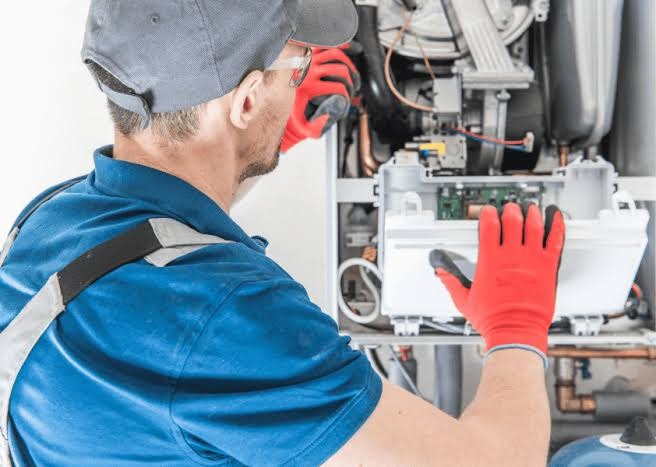
Scheduling maintenance before summer or winter allows your HVAC system to prepare for demanding operating conditions. A pre-season inspection can reveal problems before equipment must run for extended periods. This proactive approach reduces the possibility of mid-season breakdowns while helping your system handle increased workloads efficiently, making seasonal preparation a practical cost-control strategy.
Make Preventive Maintenance Part of Your Budget
HVAC maintenance should be viewed as a planned operating expense rather than an unnecessary cost. Investing in routine care can reduce energy waste, unexpected repairs, and premature equipment replacement. Whether you need residential or commercial service, creating a seasonal maintenance schedule makes HVAC care easier to manage.
Final Thoughts
Seasonal HVAC maintenance is a smart way to control operating costs while keeping your heating and cooling system reliable throughout the year. Regular inspections, cleaning, and tune-ups can improve energy efficiency, reduce unexpected repair expenses, and help extend equipment life. Preventive care also allows technicians to identify minor issues before they develop into expensive breakdowns. For homeowners and businesses looking for dependable HVAC maintenance, professional service can make a meaningful difference in long-term savings and comfort. Fuse Service HVAC and Appliance Repair Austin provides reliable HVAC solutions designed to keep systems operating efficiently. Schedule professional maintenance today to protect your investment and manage operating costs.
FAQs
Q: How often should HVAC maintenance be performed?
A: Most HVAC systems benefit from professional maintenance at least twice a year. Ideally, schedule cooling-system service before summer and heating-system service before winter to prepare equipment for seasonal demands.
Q: Can HVAC maintenance lower energy bills?
A: Yes. Regular maintenance helps keep components clean, airflow unrestricted, and equipment operating properly. An efficient system generally requires less energy to maintain comfortable indoor temperatures, which can help reduce utility expenses.
Q: Is HVAC maintenance necessary for newer systems?
A: Yes. Newer equipment still benefits from preventive care. Routine maintenance helps maintain efficiency, identify developing issues, protect important components, and support reliable performance throughout the system’s operating life.
Q: What happens during professional HVAC maintenance?
A: A technician may inspect electrical components, filters, coils, airflow, thermostat operation, moving parts, refrigerant levels, and other system functions. The exact maintenance checklist depends on the equipment and its condition.
Q: Is maintenance useful for commercial HVAC systems?
A: Absolutely. Commercial systems often operate for long hours and serve larger spaces. Regular maintenance can help businesses reduce energy waste, minimize downtime, prevent costly failures, and maintain comfortable working environments.
Q: What is the best time for seasonal HVAC maintenance?
A: Schedule cooling maintenance before the summer demand begins and heating maintenance before winter. Early service provides time to address problems before the system faces extended periods of heavy operation.