by
by 
Neglecting commercial AC maintenance can force your system to work harder, consuming more electricity and driving up energy bills. Regular maintenance improves efficiency, prevents costly problems, and helps keep your business comfortable year-round.
Introduction
Commercial AC systems work hard to keep offices, retail stores, warehouses, and other business spaces comfortable throughout the year. However, when routine commercial AC maintenance is overlooked, the system can gradually lose efficiency and consume more energy than necessary. Dirty filters, clogged coils, low refrigerant levels, and worn components can force the unit to work harder and run longer to maintain the desired temperature. As a result, businesses may notice rising energy bills without realizing that poor maintenance is partly responsible. Regular inspections and timely servicing help keep the system operating efficiently, reduce unnecessary energy consumption, and support a more comfortable indoor environment.
1. Dirty Filters Force Your AC System to Work Harder
Air filters are easy to overlook because they are relatively small components. Yet they play an important role in maintaining proper airflow. When filters become clogged with dust, dirt, and airborne particles, the system has to work harder to move conditioned air throughout the building.
That extra effort can increase operating time and energy consumption. Instead of reaching the desired temperature efficiently, the equipment may run for longer cycles or struggle to satisfy the thermostat. Regular filter inspection and replacement are therefore simple but important parts of Commercial air conditioning maintenance.
For a busy commercial property, this matters even more. Larger buildings may have multiple air-handling units, rooftop systems, or zones operating simultaneously. If several filters are neglected, the combined effect can contribute to unnecessary energy waste. A routine maintenance program helps keep airflow unrestricted and allows technicians to identify problems before they become expensive.
2. Dirty Coils Reduce Cooling Efficiency
Your commercial AC system depends on clean coils to transfer heat effectively. Over time, dust, dirt, debris, and other contaminants can accumulate on evaporator and condenser coils. When that happens, heat transfer becomes less effective, making the system work harder to provide the same cooling performance.
The result can be longer operating cycles and greater energy consumption. A system may still appear to be functioning because cool air is coming from the vents, but that doesn’t necessarily mean it is operating efficiently. This is one reason professional Commercial HVAC maintenance should include inspection and cleaning of important system components.
Regular coil care can also help technicians spot developing issues before they become major failures. Instead of waiting until the building becomes uncomfortable, a maintenance visit can uncover restricted airflow, excessive dirt buildup, or component stress early. In other words, maintenance isn’t simply about fixing what’s broken—it’s about preventing inefficiency from becoming the new normal.
3. Small Refrigeration Problems Can Become Expensive Energy Problems
Refrigerant plays a critical role in the cooling process. If a system develops a leak or experiences another refrigerant-related issue, its cooling performance can decline. The AC may continue running, but it may take significantly longer to achieve the desired indoor temperature.
That extended runtime can contribute to higher electricity consumption while putting additional stress on important components. A struggling system may also provide inconsistent cooling, leaving some areas comfortable while others remain too warm. Professional technicians can evaluate system performance and investigate signs that indicate a refrigerant or cooling problem.
This is where scheduled Commercial AC service can make a meaningful difference. Rather than allowing a small issue to continue unnoticed, routine inspections provide an opportunity to identify abnormal operating conditions early. Professional service can help businesses address problems before they develop into larger efficiency and repair concerns.
4. Worn Components Increase Energy Consumption
Commercial AC equipment contains numerous electrical and mechanical components that must work together. Motors, fans, belts, electrical connections, capacitors, compressors, controls, and other parts can experience wear as equipment operates throughout the cooling season.
When a component begins to deteriorate, the system may compensate by operating less efficiently. A worn motor, for example, may struggle to perform normally, while a faulty electrical component can affect system operation. The longer the underlying issue remains unresolved, the greater the possibility of additional strain.
Routine Commercial HVAC service provides an opportunity to inspect these components and identify unusual wear. Preventive attention can be especially valuable for commercial properties because HVAC problems don’t always remain isolated. One failing component can place additional stress on other parts, potentially turning a relatively manageable issue into a much larger repair.
5. Poor Airflow Can Drive Up Utility Costs
- Clogged or dirty air filters restrict airflow, forcing the HVAC system to work harder and consume more energy.
- Blocked or dirty air ducts can prevent conditioned air from reaching different areas efficiently.
- Closed or obstructed vents make the system run longer to maintain the desired indoor temperature.
- Poor airflow can cause the AC unit to cycle longer, increasing overall electricity consumption.
- A struggling blower motor may use more energy while delivering less air throughout the building.
- Uneven airflow can create hot and cold spots, causing occupants to adjust thermostats more frequently.
- Dirty evaporator coils can reduce heat transfer and make the system operate less efficiently.
- Leaky ductwork allows cooled air to escape before it reaches occupied spaces, wasting energy.
- Poor airflow can increase strain on HVAC components, potentially leading to more frequent repairs and higher maintenance costs.
- Regular professional AC maintenance helps identify airflow problems early and keeps the system operating efficiently.
6. Neglect Can Lead to More Frequent and Costly Repairs
Higher energy bills aren’t the only financial consequence of skipping maintenance. Small HVAC problems can gradually become larger problems when nobody identifies or corrects them.
For example, an unusual noise, minor electrical issue, clogged drain, or declining cooling performance might not seem urgent. However, ignoring these signs can increase the likelihood of a breakdown. Commercial HVAC failures can be especially disruptive because businesses may need emergency service, temporary workarounds, or even partial shutdowns while repairs are completed. Industry sources similarly identify unexpected repairs and operational interruptions as major hidden costs of neglected commercial HVAC maintenance.
Preventive Commercial AC maintenance changes the approach from reactive to proactive. Instead of waiting for the equipment to fail, technicians can inspect, clean, test, and adjust the system according to its condition and operating requirements. That doesn’t guarantee that a breakdown will never happen, but it can reduce the risk of avoidable problems and give facility managers greater control over maintenance expenses.
7. An Overworked AC System May Have a Shorter Lifespan
Commercial HVAC equipment represents a significant investment. Naturally, businesses want to get as many productive years from their equipment as possible. Unfortunately, consistently operating an inefficient or poorly maintained system can accelerate wear.
When equipment repeatedly runs longer than necessary, components experience more operating hours and mechanical stress. Over time, this can contribute to premature deterioration and increase the likelihood of major repairs or replacement. Neglected maintenance can therefore affect not only today’s energy bill but also tomorrow’s capital budget.
Regular maintenance helps protect that investment by keeping important components clean, inspected, and properly adjusted. It also allows businesses to discuss the condition of aging equipment with an HVAC professional. If replacement eventually becomes necessary, early planning is generally easier than dealing with a sudden failure during a demanding cooling period.
8. Don’t Let Comfort Problems Become Business Problems
Energy waste is important, but commercial AC performance can affect much more than the utility budget. If a building becomes too warm, employees may become distracted or uncomfortable, customers may have a less positive experience, and certain business operations may be affected.
A poorly maintained system can also contribute to indoor air quality concerns when filters, ventilation components, and other HVAC elements are not properly maintained. Commercial HVAC sources note that consistent maintenance can support filtration, ventilation, humidity control, and overall system performance.
That makes maintenance a business-management issue rather than simply an equipment issue. Comfortable indoor conditions support a better environment for workers and visitors, while reliable cooling helps reduce the disruption associated with unexpected HVAC failures. Spending money on routine care may feel like another operating expense, but ignoring the system can create significantly larger expenses elsewhere.
9. What Professional Commercial AC Maintenance Should Include
- Inspect and replace air filters: Clean or replace clogged filters to maintain proper airflow and indoor air quality.
- Clean evaporator and condenser coils: Remove dirt and debris so the system can transfer heat efficiently.
- Check refrigerant levels: Inspect refrigerant levels and look for leaks that could reduce cooling performance.
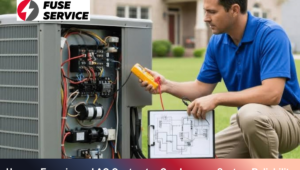
- Inspect electrical components: Check wiring, capacitors, contactors, and connections for signs of wear or damage.
- Clean and inspect ductwork: Identify leaks, blockages, or damaged ducts that can reduce conditioned airflow.
- Lubricate moving parts: Properly lubricate motors, bearings, and other components to reduce friction and wear.
- Test thermostats and controls: Ensure thermostats, sensors, and system controls operate accurately and efficiently.
- Check overall system performance: Test temperature, airflow, and operating efficiency to identify potential problems before they become costly repairs.
10. Take Action Before Higher Energy Bills Become the New Normal
If your commercial AC system seems to be running longer, struggling to maintain temperature, producing uneven cooling, or causing unusually high utility bills, don’t automatically assume rising energy costs are the only explanation. HVAC inefficiency may be contributing to the problem.
Start by reviewing your maintenance history. When were the filters last changed? When were the coils inspected? Has the system experienced repeated repairs? Are employees reporting hot or uncomfortable areas? Have energy bills increased without a major change in building usage?
These questions can help reveal whether your cooling system needs professional attention. A trusted HVAC technician can assess the equipment, identify sources of inefficiency, and recommend appropriate maintenance or repairs.
The smartest approach is simple: don’t wait for an expensive breakdown to tell you that your AC needs attention. Schedule professional Commercial HVAC maintenance before small problems become large expenses. Your equipment, employees, customers, and energy budget can all benefit from a proactive plan.
Conclusion
Neglecting commercial AC maintenance can quietly increase energy bills by forcing your system to work harder, run longer, and consume more electricity. Regular inspections, filter changes, coil cleaning, and timely repairs help maintain efficient performance while reducing unnecessary energy use. In addition, preventive maintenance can identify small issues before they develop into expensive breakdowns. For businesses looking to improve comfort, efficiency, and long-term HVAC performance, professional support can make a major difference. Fuse Service HVAC and Appliance Repair Austin can help keep your commercial AC system operating reliably and efficiently. Investing in routine maintenance today can help control operating costs tomorrow.
FAQs
Q: How often should commercial AC systems receive maintenance?
A: There is no universal schedule for every commercial property. Service frequency depends on equipment type, operating hours, building conditions, manufacturer recommendations, and system age. Some commercial HVAC providers recommend quarterly servicing for commercial systems.
Q: Can commercial AC maintenance really lower energy bills?
A: Yes, maintenance can help improve efficiency by addressing problems such as dirty filters, dirty coils, restricted airflow, and worn components. A properly maintained system generally has an easier time delivering the required cooling than a system operating with preventable restrictions or faults.
Q: What are the warning signs that commercial AC maintenance is overdue?
A: Common warning signs include rising energy bills, inconsistent temperatures, weak airflow, unusual sounds or odors, longer cooling cycles, frequent repairs, and repeated thermostat adjustments. These symptoms don’t always identify one specific fault, so professional diagnosis is recommended.
Q: Is maintenance cheaper than replacing a commercial AC system?
A: Routine maintenance generally costs far less than replacing major commercial HVAC equipment. More importantly, regular inspections can help identify developing problems and potentially extend useful equipment life.
Q: What is the difference between Commercial AC service and Commercial HVAC service?
A: Commercial AC service generally focuses on cooling equipment and related components, while Commercial HVAC service can encompass a broader range of heating, ventilation, air conditioning, controls, and associated equipment.
Q: Can poor maintenance cause uneven temperatures?
A: Yes. Dirty filters, restricted airflow, coil problems, control issues, ductwork problems, and other system conditions can contribute to uneven cooling. A professional inspection can help determine the underlying cause rather than simply lowering the thermostat.
Q: Should businesses wait until the AC stops working before calling a technician?
A: No. Waiting for a complete breakdown is a reactive approach that can result in emergency repairs and operational disruption. Preventive maintenance allows technicians to identify developing issues while the system is still operational.
Q: What should businesses look for in a commercial HVAC maintenance provider?
A: Look for a provider with commercial HVAC experience, qualified technicians, clear maintenance plans, transparent recommendations, and a service approach suited to your building and equipment. Ask what inspections and preventive tasks are included rather than choosing a provider based only on the lowest price.