by
by 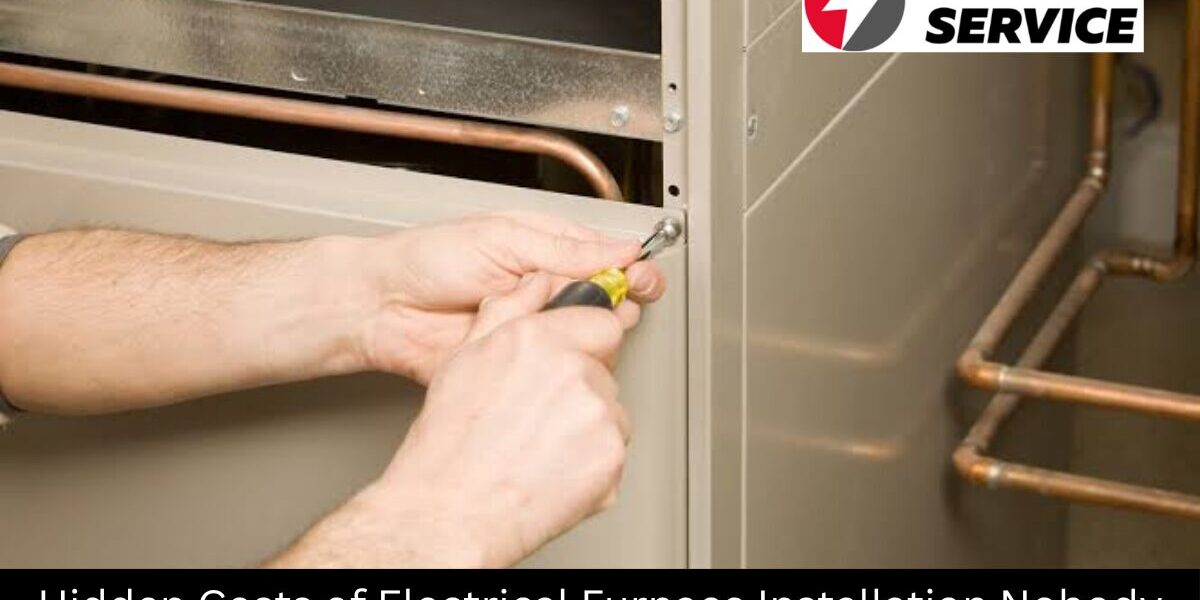
The hidden costs of installing an electric furnace often include unexpected electrical upgrades, wiring adjustments, permit fees, and long-term energy costs. Planning and hiring a professional furnace installation service helps avoid surprises and ensures your system runs efficiently.
Introduction
Winter has a sneaky way of reminding homeowners and business owners that their heating system isn’t getting any younger. So, when the time comes for a heating system replacement, most people jump straight to comparing unit prices and call it a day. However, that price tag on the furnace itself is just the tip of the iceberg. From electrical upgrades and permit fees to ductwork repairs and unexpected labor costs, there’s a whole list of expenses that quietly add up during an electric furnace installation. If you’re planning a project soon, stick around — we’re breaking down every hidden cost so you can budget smart, avoid nasty surprises, and get your project done right the first time.
Why the Sticker Price Is Just the Beginning
Let’s be honest — when you search for a new furnace, the first thing you notice is the price of the unit itself. Manufacturers and retailers love to advertise these numbers because they look appealing on paper. Unfortunately, that number rarely reflects what you’ll actually spend once installation begins.
Think of it like buying a car. The advertised price never includes taxes, dealer fees, or that extended warranty the salesperson keeps pushing. Similarly, a furnace unit setup involves far more than unboxing equipment and plugging it in. Contractors need to assess your home’s electrical capacity, ductwork condition, ventilation requirements, and local building codes before they can even begin. Each of these steps can add cost, time, and complexity to your project — and most homeowners simply aren’t told about them until the invoice arrives.
Electrical Panel Upgrades: The Cost Nobody Mentions
Here’s something that catches almost everyone off guard: your home’s electrical panel might not be ready for a new furnace. Electric furnaces draw a significant amount of power, often requiring a dedicated circuit with substantial amperage. If your panel is outdated, undersized, or already maxed out with other appliances, an upgrade becomes non-negotiable.
This is especially common in older homes built decades ago, long before central heating relied so heavily on electricity. Upgrading a panel typically involves hiring a licensed electrician, pulling permits, and sometimes coordinating with your local utility company for a temporary power shutoff. Consequently, this single step can add a substantial chunk to your overall budget — and it’s rarely included in the initial estimate you receive from HVAC companies that focus solely on the mechanical side of the job.
Ductwork Surprises During HVAC System Installation
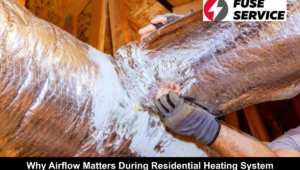
Ductwork is another area where hidden costs love to hide. Many homes have ductwork that was sized for an older, less efficient system. When you install a new furnace, especially one with different airflow requirements, your existing ducts may not be compatible.
As a result, technicians often discover leaks, crushed sections, poor insulation, or improperly sized ducts only after they start the HVAC system installation process. Sealing, resizing, or replacing ductwork isn’t cheap, but skipping it leads to uneven heating, higher energy bills, and unnecessary strain on your new equipment. Furthermore, if your ducts run through unconditioned spaces like attics or crawl spaces, additional insulation may be required to meet current efficiency codes — another cost that rarely makes it into the initial quote.
Permits, Inspections, and Code Compliance Fees
Nobody gets excited about paperwork, but permits and inspections are a mandatory part of any legitimate electric furnace installation. Local building departments require permits to ensure the work meets safety codes, and skipping this step can lead to fines, voided warranties, or major headaches when you eventually sell your home.
Permit fees vary widely depending on your city or county, and some municipalities charge separately for electrical work, mechanical work, and final inspections. On top of that, if your home doesn’t meet current code requirements — for example, outdated wiring, insufficient clearances, or missing carbon monoxide detectors — you may need additional upgrades before the inspector signs off. While these costs might seem small individually, they can collectively add several hundred dollars to your project, and ignoring them simply isn’t an option if you want the job done legally and safely.
Residential Electric Furnace vs Commercial Electric Furnace Costs
It’s worth noting that the hidden costs differ quite a bit depending on whether you’re dealing with a residential electric furnace or a commercial electric furnace. A residential electric furnace typically serves a single home, with more standardized sizing and simpler ductwork layouts. However, even residential projects can run into surprises like crawlspace access issues, asbestos in old ductwork, or zoning requirements in shared properties like duplexes.
On the other hand, a commercial electric furnace installation involves a whole different scale of complexity. Commercial buildings often require multiple units, three-phase power connections, rooftop access equipment, and compliance with stricter commercial building codes. Additionally, businesses can’t always afford downtime, so contractors may need to schedule work after hours or on weekends — and that convenience often comes with a premium labor charge. If you’re managing a commercial property, it’s wise to get a detailed walkthrough before committing to a quote, since the gap between “estimated” and “final” costs tends to be wider in commercial settings.
Removal and Disposal of Your Old Furnace
When people picture a heating system replacement, they usually imagine the shiny new unit going in — not the old one coming out. However, removing and disposing of your old furnace is a real cost that often gets bundled quietly into your invoice, or worse, tacked on as a surprise fee afterward.
Old furnaces contain metal components, insulation materials, and sometimes refrigerants or other substances that require special handling under environmental regulations. Disposal fees can vary depending on your location and the size of the unit being removed. Moreover, if your old system was improperly installed or modified over the years, technicians might spend extra time disconnecting wiring, sealing off unused gas lines (if converting from gas to electric), or patching holes left behind. None of this is glamorous, but it’s part of doing the job thoroughly — and it’s another reason why a low upfront quote can be misleading.
Long-Term Energy Costs After Furnace Unit Setup
Here’s a hidden cost that doesn’t show up on any invoice but absolutely affects your wallet: your monthly energy bill. After your furnace unit setup is complete, the efficiency of that unit — combined with the condition of your home’s insulation, ductwork, and electrical system — determines how much you’ll pay to stay warm every month.
A poorly sized furnace, whether too big or too small for your space, will run inefficiently, no matter how new or expensive it is. Oversized units cycle on and off too frequently, wasting energy, while undersized units run constantly and still struggle to heat your space evenly. Therefore, it’s essential to have a proper load calculation performed before installation, rather than simply matching the size of your old unit. This step is often skipped to save time, but it can cost you hundreds of dollars annually in wasted energy — money you’ll never get back.
Maintenance, Warranties, and Future Repair Costs
Finally, let’s talk about what happens after the installation crew packs up and drives away. Many homeowners assume that once the new furnace is running, the costs are behind them. Unfortunately, ongoing maintenance and warranty considerations are yet another piece of the puzzle that’s frequently overlooked.
Most manufacturers require regular professional maintenance to keep warranties valid — and skipping these check-ups can void coverage entirely, leaving you to pay full price for repairs down the road. Additionally, extended warranties, while optional, often come with their own costs and fine print that’s easy to misunderstand. Setting aside a small annual budget for maintenance not only protects your investment but also extends the lifespan of your system significantly. If you want a clearer picture of what ongoing costs to expect, it’s worth working with a trusted local team — for example, you can explore detailed guidance on electric furnace installation to better understand what a full-service approach looks like from start to finish.
Final Thoughts
Installing an electrical furnace is a smart investment, but understanding the hidden costs helps homeowners make better decisions. From electrical upgrades and installation requirements to future maintenance needs, every detail matters for reliable heating. Choosing an experienced professional ensures your system operates safely and efficiently. Fuse Service HVAC and Appliance Repair Austin provides expert electrical furnace installation services, helping homeowners avoid unexpected expenses while enjoying dependable comfort. With skilled technicians and quality service, Fuse HVAC and Appliance Repair makes the entire installation process smooth, affordable, and stress-free.
FAQs
1. How much does electric furnace installation typically cost beyond the unit price?
A: Beyond the unit itself, homeowners often spend extra on electrical upgrades, ductwork modifications, permits, labor, and old unit disposal. These additional costs can range from several hundred to a few thousand dollars, depending on your home’s condition.
2. Do I really need an electrical panel upgrade for a new furnace?
A: Not always, but it’s common, especially in older homes. Electric furnaces require significant power, and if your panel doesn’t have enough capacity or available circuits, an upgrade becomes necessary for safe operation.
3. Why does my ductwork need attention if I’m just replacing the furnace?
A: Your new furnace’s airflow requirements may not match your existing ducts. Leaky, undersized, or poorly insulated ductwork can reduce efficiency and lead to uneven heating, so it’s often addressed during installation.
4. Is a commercial electric furnace installation more expensive than a residential one?
A: Generally, yes. Commercial installations often involve multiple units, three-phase power, rooftop equipment access, and stricter code requirements, all of which add to labor and material costs.
5. Can I skip permits to save money on heating system replacement?
A: It’s strongly discouraged. Skipping permits can result in fines, failed inspections, voided warranties, and complications if you sell your home later. Always work with contractors who pull proper permits.
6. How can I avoid hidden costs during my furnace unit setup?
A: Request a detailed, itemized quote upfront, ask about potential electrical or ductwork issues, confirm permit and disposal fees are included, and choose a contractor known for transparent pricing.
7. Will a new electric furnace lower my energy bills?
A: It can,n but only if it’s properly sized for your home and your ductwork and insulation are in good shape. A correctly sized, efficient unit installed with attention to detail can lead to noticeable long-term savings.