by
by 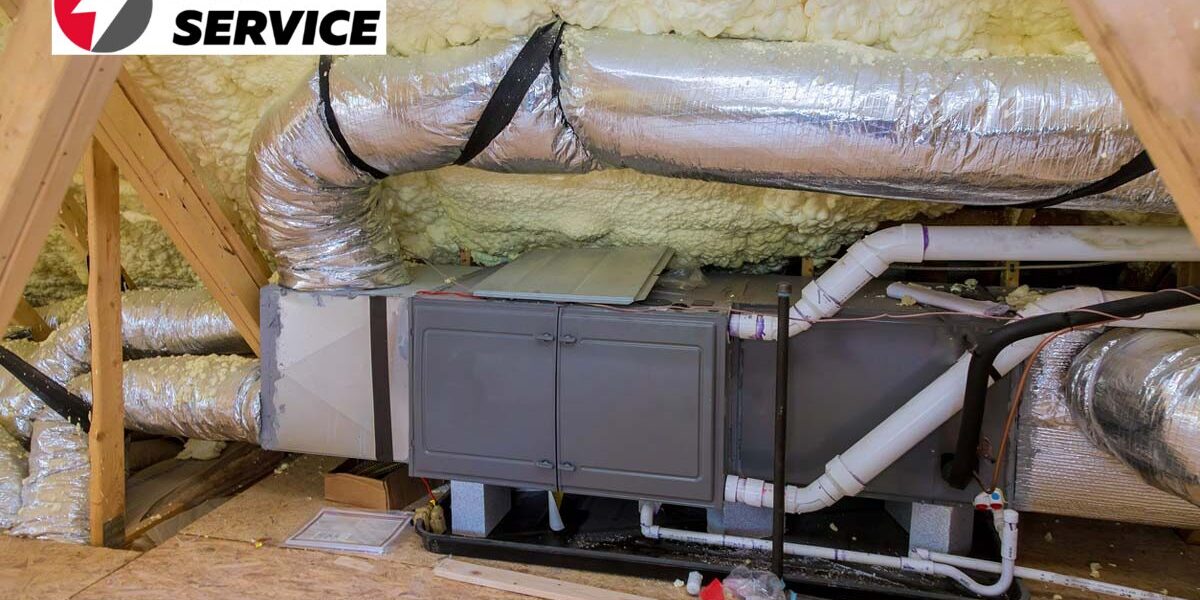
Proper ductwork is essential during heating installation because it ensures warm air is distributed evenly throughout your home while maximizing energy efficiency. Well-designed and properly sealed ducts also reduce energy loss, improve indoor comfort, and help your heating system perform reliably for years.
Introduction
When installing a new heating system, most homeowners focus on choosing the right furnace or heat pump. However, one important component often gets overlooked—your ductwork. Even the most advanced heating system can’t deliver consistent warmth if the ducts are poorly designed, damaged, or leaking. Proper ductwork ensures that heated air reaches every room efficiently, helping your home stay comfortable while reducing energy waste. It also improves indoor air quality and lowers monthly utility bills. In this guide, we’ll explore why quality ductwork is essential during heating installation, how it affects your system’s performance, and why investing in professional installation pays off in the long run.
Most homeowners rarely think about the ducts hidden behind walls, ceilings, and floors. However, these air passages are responsible for carrying heated air from your furnace to every room in your home. Without an efficient duct system, even the best heating equipment cannot maintain consistent temperatures.
Think of ductwork as the circulatory system of your home. Your furnace creates warm air, but the ducts distribute it where it’s needed. If the duct network contains leaks, restrictions, or poor connections, heated air escapes before reaching your living spaces. As a result, some rooms become too warm while others remain cold.
Proper ductwork also supports balanced airflow. During home heating installation, HVAC professionals evaluate the entire air distribution system—not just the heating equipment—to ensure every room receives the right amount of conditioned air.
When airflow is balanced correctly, your heating system doesn’t need to work harder than necessary. This improves comfort while lowering energy consumption throughout the winter season.
Why Properly Sized Ductwork Is Essential
One of the biggest mistakes during residential heating installation is connecting a new furnace to ductwork that wasn’t designed for its airflow requirements. Many homeowners assume their existing ducts will automatically work with a replacement system, but that’s not always true.
If ducts are too small, they restrict airflow. The furnace must push harder to circulate warm air, increasing wear and tear on components like the blower motor. Restricted airflow may also cause overheating, short cycling, and reduced heating efficiency.
On the other hand, oversized ducts create their own problems. Air slows down inside larger ducts, reducing pressure and making it harder to evenly distribute heat. This often leads to uneven temperatures throughout the home.
Professional HVAC technicians calculate airflow requirements based on:
- Home size
- Room layout
- Ceiling height
- Number of vents
- Heating equipment capacity
- Local climate conditions
These calculations ensure your heating system installation performs at peak efficiency from day one.
How Leaky Ducts Waste Energy and Increase Utility Bills
Many homes lose a surprising amount of heated air through damaged or poorly sealed ductwork. According to energy experts, leaky ducts can waste a significant percentage of conditioned air before it ever reaches your living spaces.
Small gaps, loose joints, disconnected sections, or aging duct materials allow warm air to escape into attics, crawl spaces, garages, and wall cavities. Although your furnace continues producing heat, much of it never benefits your home.
Consequently, your heating system runs longer to maintain the desired indoor temperature. Longer operating cycles translate directly into higher utility bills and unnecessary equipment strain.
During a professional heating installation, experienced technicians inspect the entire duct system for leaks and recommend sealing or replacing damaged sections when necessary. Proper duct sealing offers benefits such as:
- Lower monthly energy costs
- Improved heating efficiency
- More consistent indoor temperatures
- Reduced equipment workload
- Better indoor comfort
Investing in duct improvements often pays for itself through long-term energy savings.
Balanced Airflow Creates Consistent Comfort Throughout Your Home
Have you ever noticed that one bedroom stays chilly while the living room feels too warm? Uneven heating is usually an airflow issue rather than a furnace problem.
Balanced ductwork distributes heated air evenly throughout the house. Each room receives airflow based on its size, insulation level, window placement, and heating requirements.
Without proper balancing, some supply vents receive excessive airflow while others barely receive enough warm air. The result is uncomfortable hot and cold spots that make your home feel inconsistent.
During furnace installation service, HVAC professionals measure airflow at each vent and make adjustments using dampers, duct modifications, or additional returns if necessary.
Balanced airflow offers several advantages:
- Consistent room temperatures
- Better comfort for the entire family
- Reduced thermostat adjustments
- Improved energy efficiency
- Less strain on heating equipment
Instead of constantly changing the thermostat, homeowners enjoy stable indoor temperatures throughout every room.
Duct Insulation Improves Heating Performance
Not all ductwork is located inside conditioned living spaces. Many ducts travel through unheated attics, garages, crawl spaces, or basements where winter temperatures are much colder.
Without proper insulation, heated air loses warmth before reaching your vents. This means your furnace must produce additional heat simply to compensate for temperature loss inside the duct system.
High-quality duct insulation helps maintain air temperature as it travels through the system. It also reduces condensation, minimizes energy loss, and protects ducts from external temperature fluctuations.
For homeowners investing in a new heating system installation, insulating exposed ductwork is a smart upgrade that improves overall system efficiency and long-term performance.
Static Pressure: The Silent Factor That Affects Heating Efficiency
Static pressure refers to the resistance your heating system faces as it pushes warm air through the ductwork. Think of it like blood pressure in the human body—if it’s too high or too low, the entire system suffers. During a professional heating installation, HVAC technicians measure static pressure to ensure your furnace operates within the manufacturer’s recommended range.
When static pressure is too high, the blower motor has to work much harder to move air. Over time, this extra strain can lead to premature component failure, increased energy consumption, and reduced system performance. On the other hand, low static pressure can prevent warm air from reaching every room effectively.
Properly sized ducts, clean air filters, and well-designed airflow paths help maintain balanced static pressure. As a result, your heating system installation delivers reliable comfort while minimizing wear and tear on your equipment.
Monitoring static pressure during installation also helps identify hidden duct restrictions, crushed duct sections, or poorly designed layouts that could reduce overall heating efficiency.
The Importance of Return Air Ducts
Many homeowners pay attention to supply vents that blow warm air into rooms, but return air ducts are equally important. Return ducts pull cooler indoor air back to the furnace, where it is reheated and redistributed throughout the home.
Without adequate return airflow, your heating system struggles to maintain proper air circulation. Rooms may become uncomfortable, airflow can weaken, and the furnace may cycle more frequently than necessary. This not only impacts comfort but also shortens the lifespan of the equipment.
During home heating installation, HVAC professionals carefully evaluate the number, size, and placement of return vents. Proper return air design keeps indoor air moving efficiently and helps maintain consistent temperatures across your home.
Additionally, a well-designed return air system improves indoor air quality by allowing filters to capture dust, pollen, and other airborne particles more effectively before the air is recirculated.
Common Ductwork Mistakes to Avoid During Heating Installation
Even a high-quality furnace cannot overcome poorly installed ductwork. Unfortunately, several common mistakes can reduce system efficiency and lead to higher operating costs over time.
One of the most frequent issues is reusing outdated ductwork without a proper inspection. Older ducts may contain leaks, rust, disconnected joints, or insulation damage that negatively affects airflow. Installing a new furnace without addressing these problems often limits the performance of the new equipment.
Another mistake is using incorrectly sized ducts. Undersized ducts restrict airflow, while oversized ducts reduce air velocity and create uneven heating. Both situations force the heating system to work harder than necessary.
Other common ductwork mistakes include:
- Poor duct sealing
- Insufficient duct insulation
- Too few return air vents
- Sharp duct bends that restrict airflow
- Blocked or improperly placed supply vents
- Ignoring airflow balancing after installation
Avoiding these mistakes during residential heating installation helps ensure your investment delivers maximum comfort, efficiency, and long-term reliability.
Signs Your Existing Ductwork Needs Repair or Replacement
If you’re planning a new heating system installation, it’s important to determine whether your existing ductwork is still in good condition. Aging or damaged ducts can significantly reduce the performance of even the most efficient furnace.
Some warning signs are easy to notice, while others require a professional inspection. If you experience uneven heating, excessive dust, rising energy bills, or rooms that never seem to stay warm, your duct system may be the underlying problem.
You should consider having your ductwork inspected if you notice:
- Hot and cold spots throughout the home
- Whistling or rattling noises inside the ducts
- Weak airflow from vents
- High heating bills despite regular maintenance
- Excessive dust accumulation
- Musty odors coming from vents
- Ducts that are more than 15–20 years old
Replacing or repairing damaged ducts during a furnace installation service is often more cost-effective than waiting until problems worsen. It also ensures your new heating equipment operates at peak performance from the very beginning.
Why Professional Ductwork Evaluation Is Worth the Investment
Heating installation is much more than replacing a furnace. A complete system evaluation includes inspecting airflow, duct sizing, insulation, sealing, and return air design. These factors work together to determine how efficiently your heating system performs over the next 15 to 20 years.
Professional HVAC technicians use specialized tools to measure airflow, static pressure, and duct leakage. They can identify hidden issues that homeowners may never notice until energy bills increase or comfort problems become more severe.
Working with experienced professionals for your professional heating installation also ensures your system complies with local building codes and manufacturer recommendations. Proper installation protects your warranty while helping you avoid costly repairs caused by incorrect airflow or poorly designed duct systems.
If you’re planning a heating system installation, choosing a contractor who evaluates both the equipment and the ductwork is one of the smartest investments you can make.
Conclusion
Installing a new furnace is a significant investment, but the heating equipment is only part of the equation. Your ductwork determines how effectively that warm air reaches every room in your home. Properly designed, sealed, insulated, and balanced ducts improve comfort, lower energy costs, reduce equipment wear, and extend the life of your heating system. Whether you’re upgrading an older unit or planning a new heating system installation, don’t overlook the importance of your air distribution system. At Fuse Service HVAC and Appliance Repair Austin, our experienced technicians provide expert professional heating installation services while ensuring your ductwork supports maximum efficiency and long-term performance.
FAQs
Does every new heating system require new ductwork?
Not always. If your existing ductwork is properly sized, well-sealed, insulated, and in good condition, it may continue to perform effectively. However, a professional inspection should always be completed before installing a new heating system.
Can bad ductwork increase heating bills?
Yes. Leaky, damaged, or poorly designed ducts force your heating system to work harder, increasing energy consumption and monthly utility costs.
How long does residential ductwork typically last?
Most duct systems last between 15 and 25 years, depending on the materials used, installation quality, and regular maintenance.
What happens if ducts are too small?
Undersized ducts restrict airflow, causing higher static pressure, reduced comfort, increased noise, and unnecessary stress on your furnace.
Is duct sealing worth the investment?
Absolutely. Sealing duct leaks improves heating efficiency, lowers energy bills, enhances indoor comfort, and helps your heating system last longer.
How often should ductwork be inspected?
Experts recommend having your ductwork inspected every three to five years or whenever you install a new heating system, notice uneven heating, or experience rising energy bills.
Can ductwork affect indoor air quality?
Yes. Dirty, damaged, or leaking ducts can circulate dust, allergens, and other airborne contaminants throughout your home. Properly sealed and maintained ducts help improve indoor air quality.