by
by 
Smart HVAC technology makes energy-efficient AC installation more precise by using smart thermostats, sensors, variable-speed systems, and automated controls.
As a result, homeowners can reduce energy waste, improve indoor comfort, and lower utility costs while getting better performance from their AC system.
Introduction
Modern HVAC technology is transforming the way homeowners and businesses approach energy-efficient AC installation. Smart thermostats, connected sensors, variable-speed systems, and automated controls now help air conditioning systems operate more efficiently while maintaining consistent indoor comfort. Unlike traditional systems that often run on fixed settings, smart HVAC solutions can adjust cooling based on temperature, occupancy, and usage patterns. As a result, property owners can reduce unnecessary energy consumption, lower utility costs, and enjoy better climate control. Moreover, professional installation ensures these advanced technologies work together properly, helping maximize system performance, efficiency, reliability, and long-term value.
Smart Thermostats Put Your AC on Autopilot
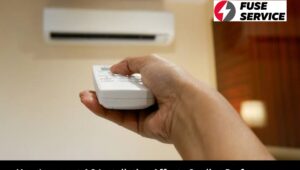
One of the most familiar smart HVAC upgrades is the smart thermostat. Unlike a basic thermostat that follows a fixed schedule, a smart model can provide more detailed control over temperature settings and, depending on the model, use learning, scheduling, occupancy information, geofencing, and remote access to help manage cooling.
That matters because your AC does not necessarily need to cool your home the same way all day. For example, if everyone leaves for work and school in the morning, maintaining the same temperature as if the family were home can waste energy. A smart thermostat can adjust the temperature according to your schedule and allow you to change settings from a smartphone.
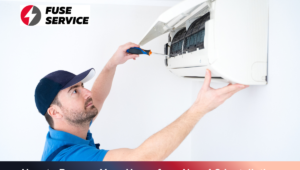
During Energy-efficient AC installation, a professional can help determine whether the thermostat is compatible with the new equipment and configure it correctly. Proper setup is especially important with advanced systems because the thermostat, indoor unit, outdoor unit, and other controls may need to communicate with one another.
Variable-Speed AC Systems Make Cooling More Precise
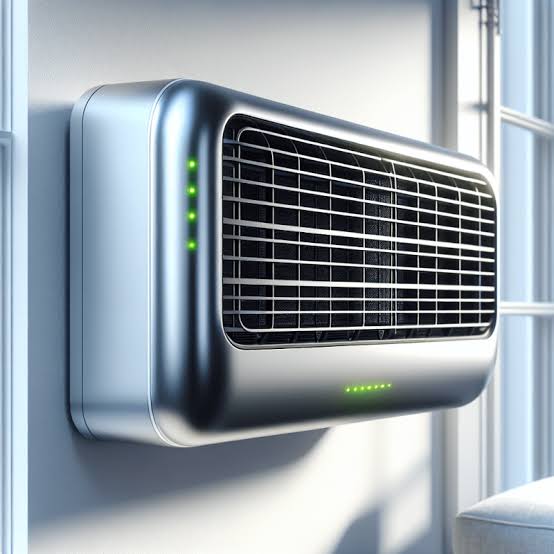
Smart controls are only part of the story. Modern air conditioners can also use variable-speed or inverter-driven technology to adjust cooling output according to demand. Instead of constantly switching between full power and off, these systems can operate at different capacity levels when conditions allow.
This approach can improve temperature consistency and reduce unnecessary cycling. Imagine your home is only slightly warmer than the thermostat setting. A system capable of adjusting its output may not need to operate at maximum capacity to correct the temperature. As a result, it can deliver cooling more precisely while potentially reducing wasted energy.
When homeowners choose a High-efficiency AC installation, it is worth asking about variable-speed technology and whether it fits the home’s cooling requirements. An experienced installer can evaluate the property rather than simply recommending the largest available unit.
Smart Zoning Helps Cool the Rooms You Actually Use
Traditional HVAC systems often treat the entire home as one temperature zone. However, different rooms can have very different cooling needs. A sunny upstairs bedroom may become much warmer than a shaded downstairs room, while a guest room may sit empty for most of the week.
Smart zoning technology addresses this issue by allowing different areas of a home to receive different amounts of conditioned air. Dampers and controls can redirect airflow according to temperature, occupancy, schedules, or homeowner preferences. Smart HVAC systems increasingly combine zoning with connected controls for greater precision.
For example, you could keep bedrooms comfortable at night without aggressively cooling unused areas of the house. This can make an Efficient air conditioner installation even more effective because the equipment does not have to condition every space equally when it is unnecessary.
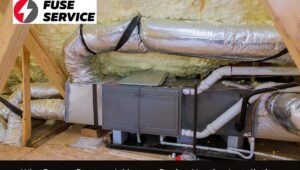
Of course, zoning requires proper system design. Ductwork, static pressure, equipment compatibility, and control configuration all need attention. That is why smart zoning should be planned as part of the overall HVAC installation rather than added as an afterthought.
Better Installation Starts With Proper System Sizing
Even the smartest AC system can perform poorly if the equipment is incorrectly sized. A unit that is too large may cycle on and off frequently, while an undersized system may run for long periods without adequately cooling the home. Proper load calculations help determine the cooling capacity the property actually needs.
This is one of the most important points homeowners should understand about Energy-efficient air conditioning. Buying an AC with an impressive efficiency rating does not automatically make the entire installation efficient. The equipment must match the home’s size, insulation, windows, layout, ductwork, and cooling requirements.
A professional HVAC installation service should therefore evaluate the home before recommending equipment. The goal is not simply to sell a powerful air conditioner. Instead, the goal is to create a balanced system that provides reliable comfort without unnecessary energy consumption.
Connected Sensors Help Your HVAC System Respond Faster
Smart HVAC technology is becoming increasingly data-driven. Sensors can monitor conditions such as temperature, humidity, airflow, and equipment performance. When integrated into a compatible system, these sensors can provide useful information about how the HVAC system is operating.
For homeowners, this can mean greater visibility. Instead of discovering a problem only after the home becomes uncomfortable, connected equipment may provide an alert when something requires attention. Some systems can also provide maintenance reminders or diagnostic information that helps technicians investigate issues more efficiently.
However, smart monitoring should not be confused with a replacement for professional maintenance. Sensors can provide information, but technicians still need to inspect components, clean equipment, check electrical connections, evaluate airflow, and address mechanical problems.
Remote Control Makes Energy Management Easier
Have you ever left home and wondered whether you remembered to adjust the thermostat? With connected HVAC controls, you can often check and modify your system remotely through a smartphone or compatible smart-home platform.
This simple feature can make a surprisingly big difference in everyday energy management. If your plans change, you can adjust the temperature without running the AC unnecessarily for hours. Likewise, you can prepare your home before returning without keeping it at maximum cooling capacity all day. Remote control is one of the practical advantages highlighted in modern smart HVAC systems.
Smart HVAC systems can also integrate with other connected-home technologies. For example, smart blinds, occupancy controls, and voice assistants may work alongside HVAC controls. These integrations can help homeowners create a more coordinated approach to managing indoor comfort and energy use.
Smart Technology Can Support Predictive Maintenance
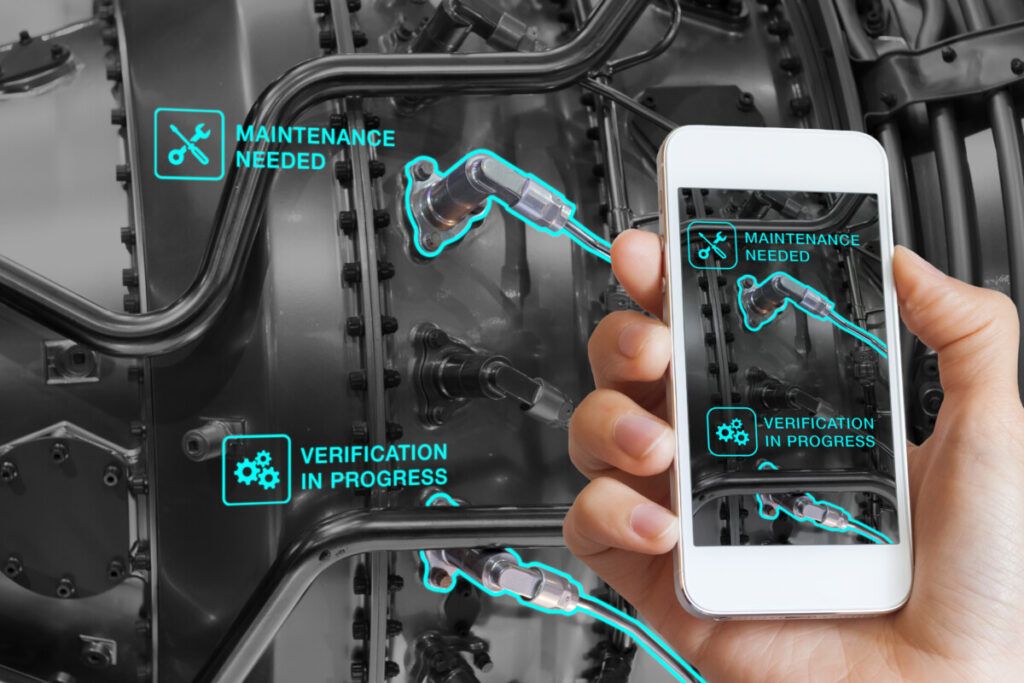
Nobody enjoys discovering that an AC has stopped working during a hot afternoon. Traditional maintenance often relies heavily on homeowners remembering when to schedule service. Smart HVAC technology can make that process more proactive.
Connected systems may provide filter reminders, maintenance notifications, performance information, and, on some systems, remote diagnostic capabilities. These tools can help homeowners recognize potential issues before they become major disruptions.
That said, technology should complement—not replace—professional service. Coils still need cleaning, filters still need attention, electrical components still require inspection, and refrigerant-related problems still require qualified service. Regular maintenance helps protect the efficiency gains created during installation.
For homeowners investing in Energy-saving AC systems, combining smart monitoring with professional maintenance can be a practical way to protect the system’s long-term performance.
Smart HVAC Installation Is About More Than Buying New Equipment
It is easy to assume that an efficient AC system simply means purchasing a high-rated unit. In reality, the complete installation matters just as much. Poor ductwork, incorrect refrigerant charge, improper airflow, weak electrical connections, or incorrect sizing can reduce system performance even when the equipment itself is highly efficient.
That is why professional installation should include more than placing the outdoor condenser and connecting the indoor equipment. A qualified technician should evaluate the home’s cooling requirements, verify compatibility, inspect airflow considerations, configure controls, and make sure the system operates correctly.
This becomes especially important with smart equipment because there are more components to coordinate. A thermostat may need Wi-Fi connectivity, sensors may need configuration, zoning controls may need programming, and variable-speed equipment may require proper setup to achieve its intended performance.
When an AC Replacement Becomes a Smart Investment
- Frequent breakdowns are a sign that your AC system may be nearing the end of its useful life.
- Rising energy bills can indicate that an older unit is losing efficiency.
- Expensive repair costs may make replacement more practical than repeated fixes.
- An outdated AC may struggle to cool your home evenly and consistently.
- Newer systems can offer improved energy efficiency and lower operating costs.
- Frequent refrigerant leaks can be a warning that replacement is worth considering.
- Excessive noise or unusual odors may indicate serious internal problems.
- A new AC system can provide more reliable cooling during hot summer months.
- Modern units often include smart controls and improved temperature management.
- Replacing an aging system can increase comfort, reduce maintenance needs, and provide long-term value.
How to Choose the Right Smart AC System
Before scheduling a new installation, avoid choosing equipment based solely on a high efficiency rating or a long list of smart features. Start by considering how your household actually uses the home.
Do certain rooms stay warmer? Does your schedule change throughout the week? Are you away from home for long periods? Would remote control be useful? Do you want different temperatures in different areas? Answers to these questions can help determine which features are genuinely useful rather than simply impressive on a product brochure.
You should also ask your HVAC professional about equipment compatibility, installation requirements, warranty conditions, maintenance needs, and available controls. A knowledgeable HVAC installation service can help you balance upfront investment with expected comfort, efficiency, and usability.
Most importantly, choose a system that is appropriate for the property. Smart features cannot compensate for poor sizing or installation.
Take the Next Step Toward Smarter, More Efficient Cooling
Smart HVAC technology is changing Energy-efficient AC installation by giving homeowners more control over when, where, and how their homes are cooled. Smart thermostats, variable-speed compressors, zoning, sensors, remote monitoring, and connected controls can work together to create a more responsive cooling system.
However, the smartest technology still needs a smart installation. Proper sizing, ductwork, equipment selection, configuration, and professional workmanship remain essential for achieving efficient and dependable performance. Modern Energy-saving AC systems work best when technology and installation quality go hand in hand.
If you’re planning an AC upgrade in Austin, TX, consider working with an experienced professional who can evaluate your home and recommend a system based on your actual cooling needs.
Conclusion
Smart HVAC technology is transforming energy-efficient AC installation by making cooling systems more intelligent, responsive, and cost-effective. From smart thermostats and automated controls to energy monitoring and connected sensors, these innovations help homeowners maintain comfort while reducing unnecessary energy use. However, proper installation remains essential to achieve the best results. Choosing experienced professionals can ensure that every component is correctly sized, configured, and integrated. For reliable guidance and quality HVAC solutions, consider Fuse Service HVAC and Appliance Repair Austin. Their professional approach can help you make informed decisions about modern AC systems and improve your home’s comfort, efficiency, and long-term performance.
FAQs
Q: What is smart HVAC technology?
A: Smart HVAC technology combines heating and cooling equipment with connected thermostats, sensors, automation, apps, zoning controls, and other intelligent features. These technologies can help homeowners monitor and manage comfort more conveniently.
Q: Does a smart thermostat make an AC system more energy efficient?
A: A smart thermostat can help reduce unnecessary cooling by using schedules, remote control, occupancy information, or learning features, depending on the model. However, the thermostat is only one part of an efficient HVAC system. Proper equipment sizing and installation remain essential.
Q: Is smart HVAC technology worth adding during AC installation?
A: For many homeowners, it can be worthwhile, particularly if they want remote control, customized scheduling, zoning, or better visibility into system performance. The best features depend on the household and the HVAC equipment being installed.
Q: Can smart HVAC systems lower energy bills?
A: Smart controls can help reduce unnecessary runtime and improve temperature management. However, actual savings vary based on the equipment, home, weather, insulation, ductwork, thermostat settings, and how the system is used.
Q: Should I choose a variable-speed AC?
A: Variable-speed technology can provide more flexible cooling output and more consistent temperature control. Whether it is the right choice depends on your home’s cooling requirements, budget, and overall HVAC design.
Q: Can I add smart controls to my existing AC?
A: Sometimes. Compatibility depends on the age and type of your existing HVAC equipment. A technician can determine whether your current system supports a smart thermostat or other connected upgrades.
Q: How does zoning improve AC efficiency?
A: Zoning allows different areas of the home to receive cooling according to their individual needs. This can reduce unnecessary cooling in rooms that are unoccupied or require less conditioning.
Q: Does a smart AC system still need professional maintenance?
A: Yes. Smart features can provide reminders and useful performance information, but they do not replace physical inspections, cleaning, component checks, airflow evaluation, or other professional maintenance tasks.
Q: When should I consider an AC replacement service?
A: Consider an AC replacement service when your system is aging, requires frequent repairs, struggles to maintain comfortable temperatures, or consumes more energy than expected.
A professional assessment can help determine whether replacement makes sense.
Q: What is the most important factor in an efficient AC installation
A: There is no single factor. Proper sizing, high-quality equipment, correct ductwork, appropriate controls, accurate installation, and regular maintenance all contribute to long-term efficiency. Professional installation brings these elements together.