by
by 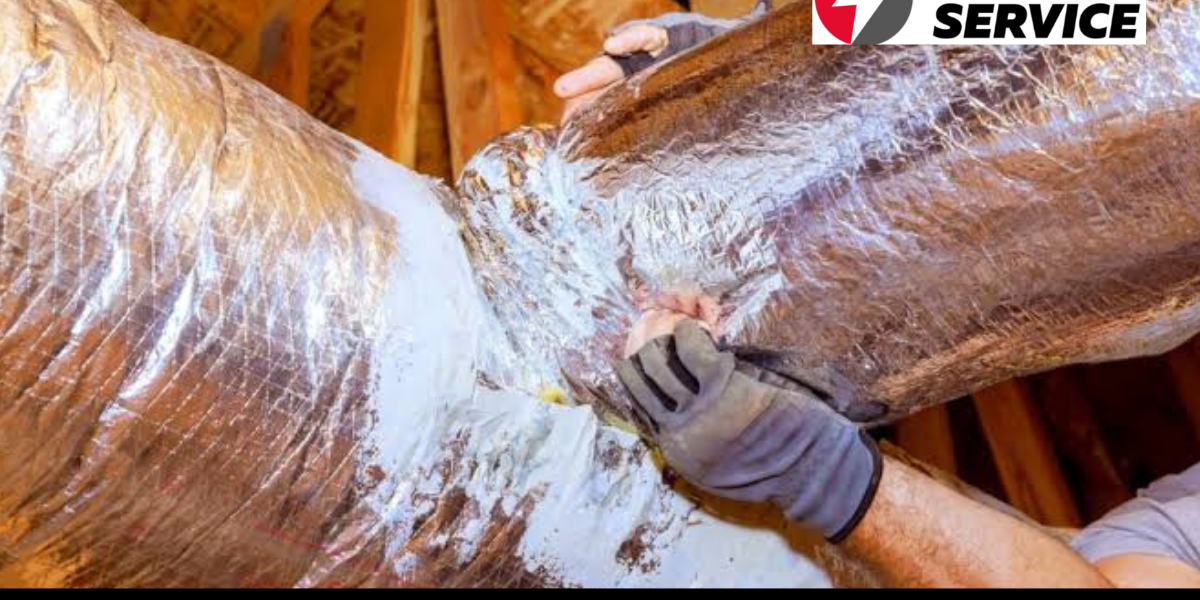
Proper airflow is essential for a residential heating system to distribute warm air evenly and operate efficiently. Good airflow also helps prevent overheating, reduces energy waste, and supports consistent indoor comfort. During installation, correctly sized ductwork, properly placed vents, and adequate return-air pathways help the system perform reliably. As a result, homeowners can enjoy better efficiency, improved comfort, and longer equipment life.
Introduction
When installing a residential heating system, airflow is just as important as choosing the right equipment. Proper airflow helps distribute warm air evenly throughout your home while allowing the system to operate efficiently and safely. Without adequate airflow, your heater may work harder, consume more energy, and struggle to maintain comfortable temperatures. Additionally, poor airflow can contribute to uneven heating, excessive wear, and frequent repairs. Therefore, homeowners should pay close attention to ductwork, vents, filters, and system sizing during installation. A properly planned heating system delivers consistent comfort, improves energy efficiency, and supports reliable performance throughout the colder months.
Airflow Is the Foundation of Effective Home Heating
Think of your heating system as the heart of your home’s comfort system and the ductwork as its circulation network. The heating equipment creates or transfers heat, while the blower and duct system move conditioned air throughout the house. If that circulation is restricted, the system cannot deliver its full potential.
During a heating system installation, technicians should evaluate how air enters the equipment, how it leaves, and how efficiently it travels through the supply and return ducts. A system that is correctly sized but paired with poorly designed ductwork may still produce uneven temperatures, excessive noise, or unnecessary energy use.
Airflow also affects how quickly rooms reach the desired temperature. When warm air can move freely, the thermostat can reach its set point more efficiently. When airflow is restricted, the system may need to run longer, which can increase component wear and reduce overall comfort.
Proper Duct Design Helps Your Heating System Work Smarter
Ductwork is easy to overlook because much of it sits behind walls, ceilings, or floors. Yet it plays a major role in how successfully a home heating system distributes warm air. Ducts that are undersized, poorly routed, excessively long, or improperly connected can create resistance and reduce the amount of air reaching individual rooms.
During installation, professionals should consider duct dimensions, layout, bends, connections, insulation, and return-air capacity. A good design aims to minimize unnecessary resistance while delivering conditioned air consistently throughout the home.
Leaks deserve attention, too. If heated air escapes through loose connections or damaged duct sections, the equipment may generate plenty of heat without delivering enough of it to living spaces. Sealing and insulating ductwork where appropriate can help preserve the energy that the heating system has already used to condition the air.
Why Return Air Is Just as Important as Supply Air
Homeowners often notice supply vents because they are where warm air enters the room. However, return-air pathways are equally important. Your heating system needs a dependable path for indoor air to return to the equipment so it can be conditioned again.
A weak or restricted return-air system can create pressure problems and limit overall airflow. In simple terms, your heating equipment cannot effectively push air through the home if the system does not have an appropriate way to pull air back.
During residential HVAC installation, technicians should therefore evaluate return grilles, return ducts, and the location of those components. A return that is blocked by furniture or located in an unsuitable area can affect comfort even when the furnace itself is operating correctly.
This is one reason homeowners should avoid judging a heating installation solely by the equipment’s efficiency rating. The entire air-distribution system matters.
Correct Equipment Sizing and Airflow Must Work Together
Choosing the right heating equipment is an important part of any heating unit installation, but bigger does not automatically mean better. An oversized system may heat a home quickly but cycle on and off frequently. An undersized system may struggle to keep up with demand during colder weather.
Proper sizing should take the home’s characteristics into account, including its size, insulation, windows, layout, and local climate. Once the appropriate equipment is selected, airflow requirements also need to be considered so the duct system and blower can work effectively with the equipment.
For example, installing a high-capacity furnace without considering whether the existing ductwork can support its required airflow can create performance issues. The equipment may be capable of producing substantial heat, but the home still may not receive it evenly.
That is why professional furnace installation should look beyond simply connecting the new unit. Equipment, ductwork, registers, returns, and controls should function together as one system.
Balanced Airflow Creates Better Room-to-Room Comfort
Have you ever noticed that one room in a house feels warm while another remains noticeably cooler? Uneven airflow is one potential contributor. Differences in insulation and sun exposure can also affect temperatures, but poor air distribution can make the problem worse.
Balanced airflow helps deliver the appropriate amount of conditioned air to different areas of the home. During home heating installation, professionals can consider the number and placement of supply registers, return-air locations, duct sizing, and other factors that influence air distribution.
Air balancing can also help identify areas where the system is delivering too much or too little air. Rather than simply turning up the thermostat to compensate for a cold room, homeowners can benefit from identifying the underlying distribution problem.
The result is a home that feels more consistently comfortable without forcing the heating system to run unnecessarily long just to compensate for one problem area.
Poor Airflow Can Increase Strain on Heating Equipment
- Restricted airflow makes the heating system work harder to distribute warm air throughout the home.
- Dirty filters can reduce airflow, forcing the furnace or heat pump to run longer.
- Blocked or poorly designed ductwork can limit the amount of heated air reaching each room.
- Increased strain can cause overheating, especially when the system cannot move enough air.
- Longer heating cycles may increase energy consumption, leading to higher utility bills.
- Components can wear out faster when the equipment operates under constant stress.
- Poor airflow may reduce indoor comfort, creating uneven temperatures between rooms.
Airflow Also Supports Indoor Air Quality
Heating and comfort are not the only reasons airflow matters. The movement of air through a forced-air system also interacts with filtration and indoor air quality. A properly designed system allows air to pass through the filter and distribution network as intended.
However, filters must match the equipment and installation requirements. An extremely restrictive filter may not always be the best choice if the system is not designed to handle the added resistance. Homeowners should follow manufacturer recommendations and ask their HVAC professional which filter is appropriate.
During residential HVAC installation, it is also worth discussing filtration, ventilation, humidity control, and other indoor-air-quality considerations. These components should complement the heating system rather than unintentionally restrict its airflow.
Keeping supply and return vents clear is important after installation, too. Furniture, curtains, rugs, storage items, and other household objects can interfere with air movement.
Why Professional Installation Makes a Difference
Installing a heating system involves much more than placing equipment in a mechanical room and connecting a few ducts. A professional installation considers system compatibility, equipment sizing, ductwork, airflow, electrical or fuel connections, ventilation requirements, controls, and startup procedures.
A qualified technician can also identify potential airflow problems that may not be obvious to a homeowner. For example, a system can appear to operate normally while still experiencing excessive resistance or poor distribution.
This is particularly important when replacing an older heating system. Existing ductwork may have been designed around a different piece of equipment or a different home configuration. Before completing a new heating system installation, the duct system should be evaluated rather than automatically assumed to be suitable.
A thoughtful installation can help homeowners avoid the frustrating situation of investing in new equipment only to discover that comfort remains inconsistent.
How Homeowners Can Protect Airflow After Installation
Even a well-designed heating system needs ongoing care. One of the easiest things homeowners can do is keep air filters clean and replace them according to the equipment manufacturer’s recommendations and household conditions. Homes with pets, renovations, or higher levels of airborne particles may require more frequent attention.
Keep supply and return vents open and unobstructed whenever possible. If a room seems too warm or too cool, avoid randomly closing multiple vents because that can alter system airflow and pressure. Instead, ask an HVAC professional to evaluate the distribution problem.
It is also smart to schedule routine maintenance. During a professional inspection, technicians can examine filters, blower components, duct connections, airflow, and other operating conditions. Catching small problems early can help protect the investment you made in your home heating system.
Upgrade Your Heating Installation With Airflow in Mind
If you are replacing an old furnace or planning a new heating system, don’t make your decision based solely on equipment price or efficiency ratings. Ask how the proposed system will work with your ductwork, return-air pathways, home layout, and airflow requirements.
Before approving a furnace installation or other heating project, consider asking your HVAC contractor questions such as: Is the equipment properly sized? Is the ductwork adequate? Are the return-air pathways sufficient? Will the system be tested after installation? How will airflow be balanced between rooms?
These questions can lead to a better installation and help prevent avoidable comfort issues. For Austin homeowners looking for professional heating installation assistance, working with an experienced HVAC company can make the process easier from equipment selection through final system testing.
When you prioritize airflow from the start, your heating system has a better opportunity to deliver the comfort, efficiency, and reliability you expect. For professional heating installation services, homeowners can explore Fuse HVAC and Appliance Repair’s heating installation services and discuss the right solution for their home.
Conclusion
Proper airflow is essential for a residential heating system to deliver consistent warmth, operate efficiently, and maintain healthy indoor comfort. From correctly sized ductwork to unobstructed vents and professional installation, every airflow detail can affect system performance and energy costs. When airflow is restricted or unbalanced, your heater may work harder, wear out sooner, and leave some rooms uncomfortable. Therefore, choosing experienced professionals for installation is a smart investment. For dependable heating, HVAC installation, and appliance solutions, consider Fuse Service HVAC and Appliance Repair Austin. Their professional approach can help ensure your heating system receives the proper airflow it needs for reliable, efficient performance throughout the season.
FAQs
Q: Why is airflow important during residential heating installation?
A: Airflow allows heated air to move efficiently from the heating equipment through the ductwork and into living spaces. Proper airflow supports consistent comfort, efficient operation, and appropriate system performance.
Q: Can poor ductwork affect a new heating system?
A: Yes. Poorly sized, damaged, poorly routed, or leaky ductwork can restrict or waste conditioned air. Even new heating equipment may perform poorly when the distribution system cannot move air effectively.
Q: How do I know if my heating system has an airflow problem?
A: Common signs include weak airflow from registers, rooms that remain unusually cold, excessive system noise, long heating cycles, frequent cycling, or noticeable temperature differences between rooms. A professional airflow assessment can help determine the cause.
Q: Does furnace size affect airflow?
A: Yes. Heating equipment has specific airflow requirements. Proper equipment sizing and compatible ductwork are important for reliable operation. A larger furnace is not necessarily better if the home and distribution system cannot support it.
Q: Should all heating vents remain open?
A: Generally, supply and return vents should remain open and unobstructed unless an HVAC professional recommends otherwise. Closing multiple vents can change system pressure and airflow.
Q: How often should heating filters be changed?
A: It depends on the filter type, equipment, household conditions, and manufacturer recommendations. Homeowners should check filters regularly and replace or clean them as directed rather than waiting until airflow noticeably decreases.
Q: Is airflow important for heat pumps too?
A: Absolutely. Heat pumps also depend on appropriate airflow for effective operation. Proper equipment sizing, duct design, filter selection, and unobstructed air movement all contribute to system performance.
Q: What should I ask an HVAC contractor before installation?
A: Ask about equipment sizing, ductwork compatibility, return-air capacity, airflow testing, system balancing, filter requirements, warranty coverage, and startup procedures. These questions can help you understand how the complete system will operate—not just which unit is being installed.