by
by 
Preparing your home for a new AC installation helps ensure a smooth and efficient setup. Clear the installation area, check electrical connections, and ensure proper space for the indoor and outdoor units. Also, discuss placement, ductwork, drainage, and access with a professional HVAC technician beforehand to avoid delays and ensure reliable cooling.
Introduction
Preparing your home before a new AC installation can make the entire process easier, faster, and more efficient. Whether you are replacing an old system or installing air conditioning for the first time, proper preparation helps prevent unnecessary delays and installation problems. From clearing the installation area to checking electrical connections and planning the best location for your indoor and outdoor units, every detail matters. Additionally, making sure your home has adequate space, proper drainage, and accessible ductwork can support better system performance. With the right preparation and guidance from a qualified HVAC professional, you can enjoy reliable cooling and greater comfort.
1. Clear the Area Around the Installation Site
Before technicians arrive, remove furniture, decorations, boxes, plants, and other items near the indoor and outdoor installation areas. A clear workspace gives the installation team enough room to safely remove the old equipment and position the new system. Additionally, protect nearby floors and belongings from dust or debris that may occur during the work. Taking these simple steps beforehand can save time and reduce the chance of accidental damage. For indoor equipment, make sure closets, utility rooms, attics, or other installation spaces are easily accessible. Outdoors, clear leaves, branches, toys, and other objects around the condenser location.
2. Create a Clear Path to Your Home
AC equipment can be large and heavy, so technicians need a convenient route from their vehicle to the installation area. Walk through the route ahead of time and remove shoes, toys, furniture, boxes, rugs, or other obstacles. If the team needs to move equipment through a narrow hallway or doorway, measure the space and identify potential challenges. This preparation is particularly useful when replacing a large older system. A clear pathway helps installers move equipment more efficiently while minimizing the risk of damage to walls, floors, doors, and personal belongings during the New air conditioner installation.
3. Protect Furniture and Valuable Belongings
Even when technicians work carefully, installation can create some dust, dirt, and debris. Therefore, cover nearby furniture, electronics, flooring, and decorative items when they cannot be moved. Remove fragile objects from shelves and walls near the work area as well. If installers need to work in an attic or crawl space, protect belongings stored underneath or near access points. Although professional installers typically take precautions, homeowners can provide an extra layer of protection. Spending a few minutes preparing these areas can make cleanup easier and help keep your home looking neat after the installation is complete.
4. Check Your Electrical Access Before Installation
A new air conditioner needs appropriate electrical power to operate safely and efficiently. Your installation professional should evaluate electrical requirements as part of the project, but homeowners can make access easier by keeping the electrical panel and relevant equipment unobstructed. Do not attempt to modify wiring, breakers, disconnects, or other electrical components yourself. Instead, allow a qualified technician to determine whether the home’s electrical setup can support the new system. If upgrades are necessary, addressing them before installation day may prevent delays. Proper electrical preparation is an important part of safe and dependable Professional AC installation.
5. Make Sure the Outdoor Space Is Ready
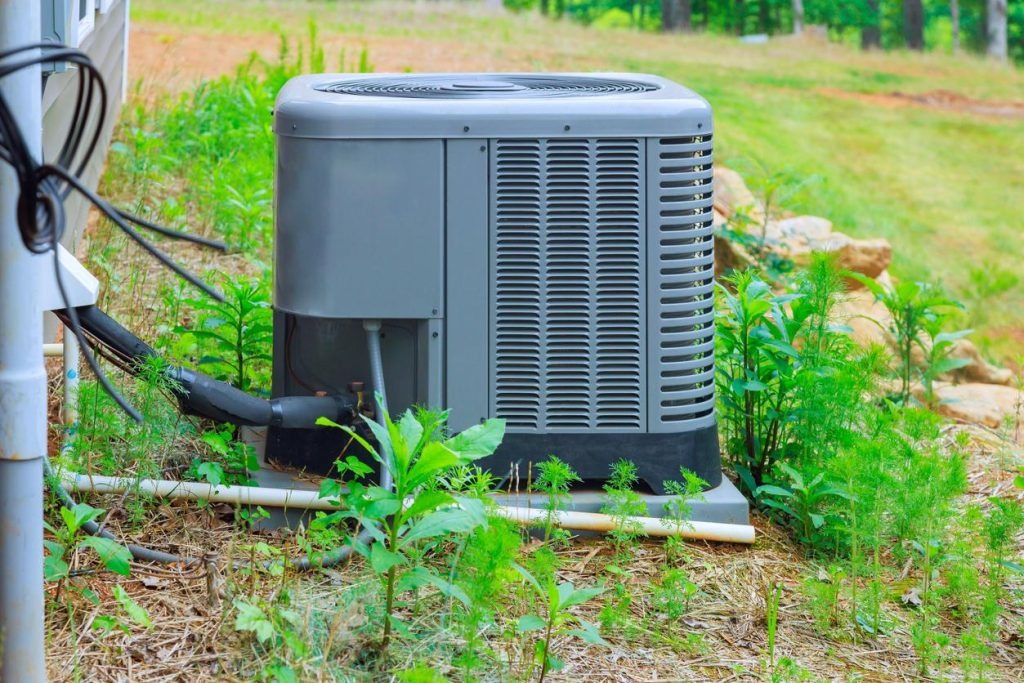
The outdoor condenser needs adequate clearance for airflow, maintenance, and safe operation. Before installation, remove grass clippings, leaves, branches, garden tools, outdoor furniture, and other objects surrounding the planned location. Also consider whether sprinklers or drainage could expose the equipment to unnecessary moisture. Your technician can determine the appropriate placement and clearance requirements for the specific system. Avoid building a permanent enclosure around the condenser unless it has been designed with airflow requirements in mind. A clean, accessible outdoor area makes installation easier and gives your new system the space it needs to operate properly.
6. Prepare Your Family and Pets for Installation Day
An AC installation can involve noise, tools, moving equipment, open doors, and technicians working throughout your property. If you have children or pets, plan to keep them safely away from the work area. Pets may become anxious around unfamiliar people or loud equipment, while children may naturally want to investigate what is happening. Consider keeping pets in a separate room or arranging another safe location during the installation. Likewise, explain to children that certain areas are temporarily off-limits. This simple preparation helps create a safer environment while allowing the installation crew to concentrate on their work.
7. Review Your Existing AC System Before Removal
If your project involves replacing an existing air conditioner, take a few minutes to identify anything that needs attention before the old system is removed. Tell the technician about recurring problems, unusual sounds, inconsistent temperatures, water leaks, or rooms that have always felt uncomfortable. This information can help the team understand your home’s cooling challenges. You should also remove personal items stored around the old equipment. During a Residential AC installation, discussing your previous system’s performance can help the installer address comfort concerns instead of simply replacing equipment without considering the bigger picture.
8. Confirm the Installation Details With Your Contractor
Before installation day, review the project details with your HVAC contractor. Confirm the equipment model, installation location, expected arrival time, work scope, warranty information, and any additional services that may be required. Ask whether electrical modifications, ductwork adjustments, refrigerant-line changes, permits, or other preparations are included in the project. Clear communication helps prevent misunderstandings and surprises. A reputable Air conditioning installation service should be willing to explain the process and answer reasonable questions before work begins. Knowing exactly what will happen gives you greater confidence and allows you to prepare your home accordingly.
9. Consider Your Thermostat and Comfort Preferences
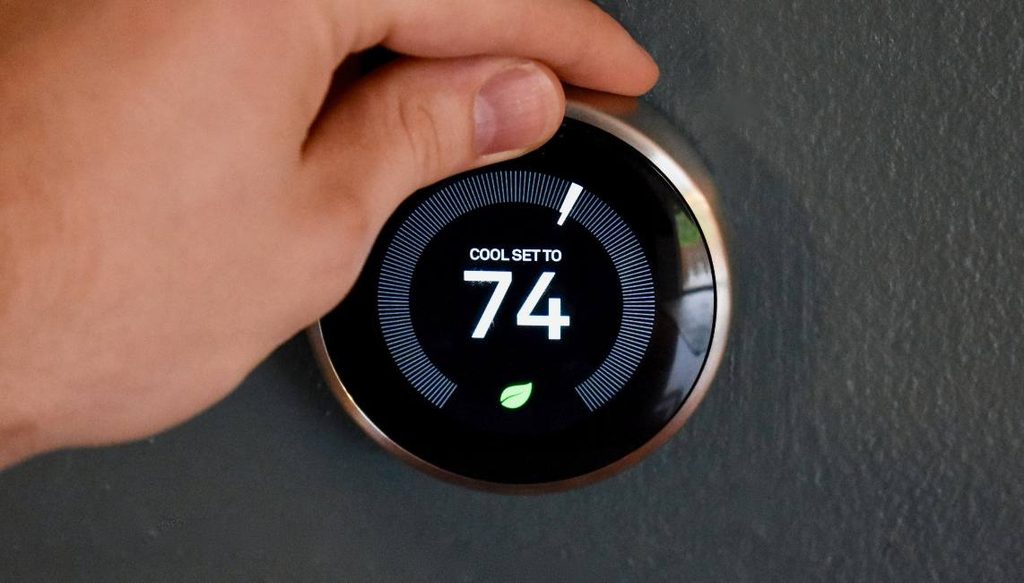
Your thermostat plays an important role in how your new AC system manages indoor comfort. Before installation, think about temperatures that feel comfortable to your household and whether you want features such as programmable scheduling or smart controls. If your current thermostat is outdated, ask your installer whether replacing it would make sense for the new system. Additionally, tell the technician about rooms that tend to become too warm or too cold. These details can help guide installation decisions and improve overall comfort. A new system should not simply cool your home; it should support your household’s everyday comfort needs.
10. Prepare for Temporary Disruptions
Even a well-planned installation may temporarily disrupt your normal routine. Depending on the project, technicians may need to turn off electricity, remove an old unit, access different parts of your home, or work outside for several hours. Plan meals, work calls, children’s activities, and other commitments around the expected installation period when possible. If extreme indoor temperatures are a concern, make temporary arrangements for household members who may be uncomfortable. Understanding that installation is a short-term disruption can make the process less stressful. Once completed, your home can benefit from improved comfort and a more dependable cooling system.
11. Ask About Post-Installation Cleanup
Before the technicians leave, check that the installation area is clean and that removed equipment or debris has been handled according to the agreed scope of work. Walk around the indoor and outdoor areas with the installer and ask any final questions you may have. You should also learn where the system’s important components are located and understand basic maintenance requirements. Ask about filter replacement, thermostat operation, maintenance schedules, and warranty conditions. A professional installation should leave you with more than a functioning AC unit. You should also feel comfortable operating and caring for your new system.
12. Schedule Professional Installation for Long-Term Performance
Once your home is prepared, the most important step is choosing qualified professionals to complete the installation. Proper sizing, placement, electrical connections, refrigerant work, airflow, drainage, and system testing all influence how well an air conditioner performs. Working with an experienced team can reduce installation problems and help your system deliver reliable comfort.
Wrapping Up
Preparing your home properly before a new AC installation can make the process smoother while helping your system deliver dependable cooling. From clearing the installation area to checking electrical requirements, drainage, ductwork, and unit placement, each step can support better performance and long-term efficiency. However, professional installation remains essential for safe and reliable operation. If you want expert assistance with your cooling needs, Fuse Service HVAC and Appliance Repair Austin can help you prepare for and complete your new AC installation with confidence. Their professional approach can help ensure your system is installed correctly, efficiently, and ready to keep your home comfortable.
FAQs
Q: How long does a new AC installation take?
A: Most standard installations can be completed within a day, although the exact time depends on equipment, ductwork, electrical requirements, accessibility, and the complexity of the project.
Q: Should I remove furniture before AC installation?
A: Yes. Move furniture and belongings away from the installation area whenever possible. This creates more workspace and helps protect your possessions from dust, debris, or accidental damage.
Q: Do I need to turn off my AC before technicians arrive?
A: Follow the instructions provided by your HVAC contractor. If they request that you turn off the system before arrival, do so. Otherwise, allow the technicians to handle system shutdown safely.
Q: Should pets be kept away during installation?
A: Yes. Keeping pets away from the work area can prevent accidents and reduce stress caused by unfamiliar people, equipment, and noise.
Q: Does a new AC require electrical upgrades?
A: Not always. However, some homes may require electrical changes if the existing electrical system cannot safely support the new equipment. A qualified professional should evaluate this.
Q: What should I ask my AC installer?
A: Ask about installation time, equipment operation, warranty coverage, maintenance requirements, thermostat settings, filter replacement, and what to do if the system develops a problem.
Q: Can I use my new AC immediately after installation?
A: Your installer should test the system before leaving. Once they confirm that everything operates correctly and provide any necessary instructions, you can normally begin using the system.
Q: Why is professional AC installation important?
A: Proper installation helps ensure correct sizing, airflow, electrical connections, refrigerant handling, drainage, and system operation. Professional installation can also help prevent avoidable performance problems.