by
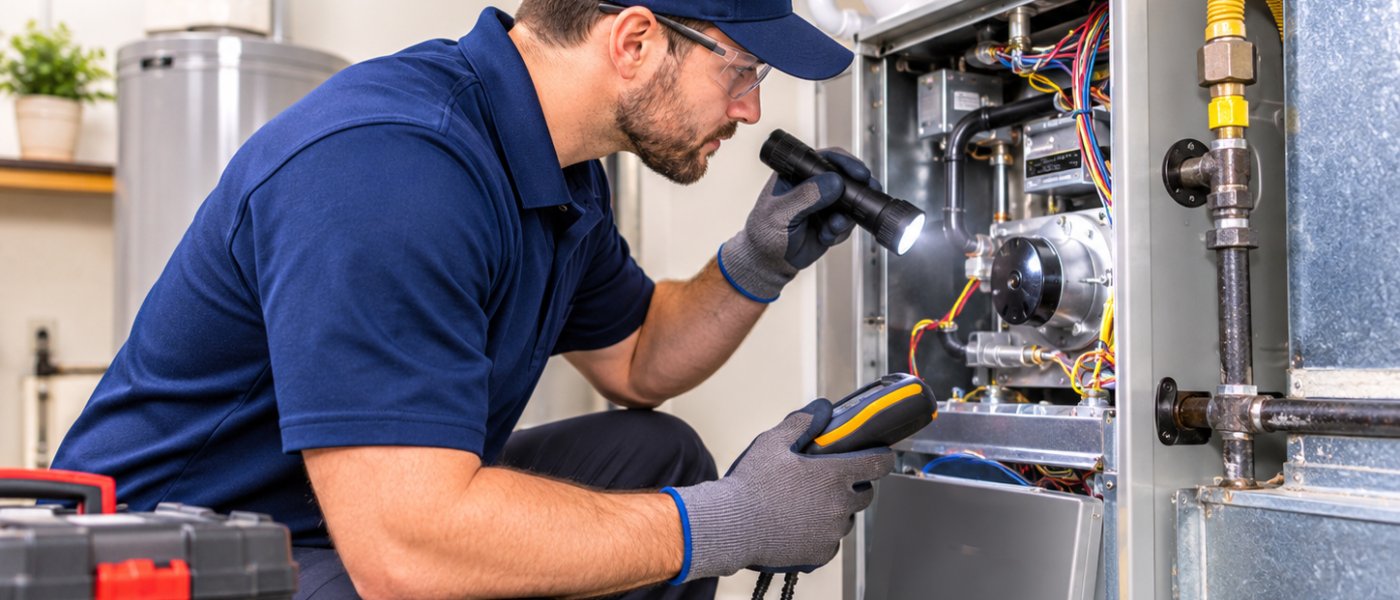
Annual furnace inspections help identify minor issues, worn-out parts, and potential safety hazards before they turn into costly breakdowns. Regular maintenance improves heating efficiency, extends your furnace’s lifespan, and helps homeowners avoid unexpected repair expenses.
Introduction
Your furnace works hard to keep your home warm and comfortable when temperatures drop. However, like any other mechanical system, it experiences wear and tear over time. Small problems can develop inside the unit without showing obvious warning signs. A dirty burner, loose electrical connection, restricted airflow, or worn component might seem insignificant initially, but these issues can eventually lead to expensive repairs or unexpected breakdowns. That’s why scheduling an annual furnace inspection is one of the smartest decisions homeowners can make. Regular inspections help identify potential problems early, improve heating efficiency, protect important components, and reduce the chances of sudden system failures. Whether you have an older furnace or a relatively new heating system, professional attention can make a significant difference. Instead of waiting until your furnace stops working on the coldest night of the year, take preventive steps to protect your comfort and budget. Let’s explore how annual furnace inspections can help you avoid unnecessary expenses.
Catch Small Furnace Problems Before They Become Expensive
One of the biggest advantages of annual furnace inspections is early problem detection. Small mechanical issues rarely disappear on their own. For example, a loose connection or worn belt might initially cause minor operating problems, but continued use can damage other components. A trained technician examines the system, identifies developing issues, and recommends appropriate repairs before they become more complicated and expensive.
Improve Furnace Efficiency and Reduce Monthly Energy Bills
A furnace with dirty components or restricted airflow often works harder to maintain your preferred indoor temperature. Consequently, it may consume more energy than necessary. During an inspection, technicians check airflow, filters, burners, and other important components to identify efficiency problems. Keeping your system properly maintained helps reduce unnecessary energy consumption while delivering more consistent heating throughout your home.
Protect Important Furnace Components From Premature Damage
Your furnace contains several components that must work together to produce and distribute heat. When one component develops a problem, it can place additional stress on others. For instance, restricted airflow may cause overheating, while ignition problems can interfere with normal operation. Annual inspections help technicians identify these concerns, reducing unnecessary strain and helping expensive components operate reliably.
Furnace inspections aren’t just about preventing repair bills; they’re also essential for household safety. Gas leaks, damaged heat exchangers, faulty electrical connections, and combustion problems can create serious hazards. A qualified technician checks critical safety components and evaluates proper ventilation and system operation. Carbon monoxide detectors also provide an important additional layer of protection because carbon monoxide cannot be detected by smell.
Prevent Unexpected Furnace Breakdowns During Cold Weather
Imagine waking up on a freezing morning only to discover that your furnace isn’t producing heat. Unexpected breakdowns can disrupt your routine and require immediate attention. Fortunately, annual inspections help reduce this risk by identifying worn components, electrical problems, ignition issues, and restricted airflow before heating demand increases.
A preventive inspection commonly includes checking:
- Ignition systems and burner operation.
- Electrical connections and safety controls.
- Blower motor performance and airflow.
- Thermostat accuracy and heating cycles.
- Venting and combustion-related components.
Addressing developing issues early can reduce the likelihood of inconvenient breakdowns and expensive emergency service calls.
Extend Your Furnace’s Lifespan With Preventive Maintenance
Replacing an entire furnace can represent a substantial household expense. Therefore, homeowners should take reasonable steps to protect their existing equipment. Annual inspections help technicians identify excessive wear, lubrication concerns where applicable, airflow restrictions, and other problems that may shorten equipment life. Although maintenance cannot guarantee a particular lifespan, consistent professional care can help your furnace operate reliably for more years.
Avoid Expensive Emergency Repairs and Unexpected Expenses
Emergency repairs often become necessary when homeowners ignore early warning signs or postpone recommended maintenance. A furnace that makes unusual noises, cycles frequently, or produces insufficient heat may already have an underlying problem. Scheduling professional furnace repair at the right time can prevent additional damage.
Here are some common situations that can become expensive when left unresolved:
- A failing blower motor can affect airflow and potentially damage related components.
- Ignition problems can prevent the furnace from starting properly.
- Dirty burners can interfere with combustion and heating performance.
- Faulty thermostats can cause inconsistent temperatures and unnecessary cycling.
- Restricted filters can reduce airflow and contribute to overheating.
An experienced furnace repair company can diagnose these problems and recommend suitable solutions before they develop into larger repair projects.
Maintain Manufacturer Warranty Requirements and Documentation
Many furnace manufacturers recommend regular maintenance and may include specific maintenance requirements in their warranty terms. Skipping required maintenance could complicate a future warranty claim. However, requirements differ between manufacturers and individual warranties. During annual inspections, homeowners should request service records, inspection findings, and receipts. Keeping these documents organized makes it easier to demonstrate that you have followed applicable maintenance recommendations.
Improve Indoor Comfort and Maintain Consistent Heating
A properly functioning furnace should distribute comfortable warmth throughout your home without frequent temperature fluctuations. However, dirty filters, malfunctioning thermostats, blower problems, and restricted ductwork can create uneven heating. Annual inspections help identify these performance issues and determine whether the furnace or another part of the HVAC system needs attention.
Professional technicians can evaluate:
- Temperature differences between rooms.
- Airflow through supply and return vents.
- Thermostat settings and calibration.
- Blower operation and filter condition.
- Potential ductwork restrictions or leakage.
These checks help improve heating consistency and make your indoor environment more comfortable during colder months.
Know When to Schedule an Annual Furnace Inspection
The best time to schedule a furnace inspection is before the heating season begins, preferably during late summer or early fall. This allows technicians to identify problems before your system handles regular heating demand. However, don’t wait for your annual appointment if you notice unusual noises, burning smells, frequent cycling, or poor heating performance. Contact a qualified professional promptly.
Final Verdict
Annual furnace inspections are a smart investment that can save homeowners from expensive repairs and unexpected breakdowns. By identifying minor issues early, technicians can prevent serious damage, improve heating efficiency, and extend the life of your furnace. Moreover, regular inspections help maintain indoor comfort, reduce energy bills, and ensure safe operation throughout the winter. Instead of waiting for your heating system to fail, schedule professional maintenance every year. With timely furnace inspections from Fuse Service HVAC and Appliance Repair in Austin, TX, you can enjoy reliable heating, avoid costly surprises, and keep your home comfortable all season long.
FAQs
1. How often should I schedule a furnace inspection?
You should schedule a professional furnace inspection at least once a year. Ideally, arrange it during late summer or early fall before the heating season begins. Annual inspections help identify developing problems and prepare your system for regular operation.
2. Can annual furnace inspections really prevent expensive repairs?
Yes. Annual inspections can identify worn components, restricted airflow, electrical issues, and ignition problems before they cause more extensive damage. Although inspections cannot prevent every breakdown, they significantly improve your ability to address problems early.
3. What does a professional furnace inspection include?
A professional inspection generally includes checking the thermostat, burners, ignition system, blower motor, electrical connections, safety controls, heat exchanger, filters, and venting. The exact checklist depends on the furnace type and manufacturer recommendations.
4. What happens if I skip my annual furnace inspection?
Skipping inspections allows developing problems to go unnoticed. Over time, minor component issues can cause reduced efficiency, inconsistent heating, unexpected breakdowns, or expensive repairs. You may also overlook important safety concerns.
5. When is the best time to schedule furnace maintenance?
Late summer and early fall are generally ideal because technicians can inspect your heating system before temperatures drop. However, schedule an inspection whenever you notice unusual noises, inconsistent heating, or other performance problems.