by
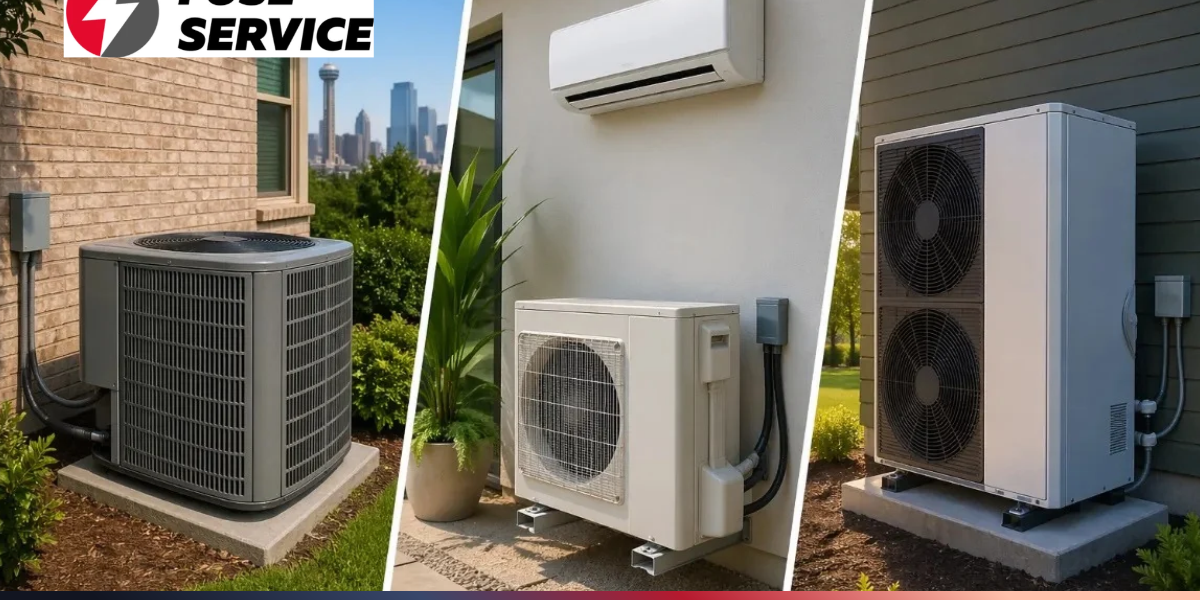
Choosing the best air conditioning system depends on your home’s size, layout, and cooling needs. Small homes may benefit from window AC units or ductless mini-split systems, while larger homes often need central air conditioning or multi-zone systems for consistent cooling.
Introduction
Choosing the right air conditioning system is essential for maintaining a comfortable indoor environment while managing energy costs. However, the best cooling solution often depends on your home’s size, layout, insulation, and cooling requirements. Small homes may benefit from compact window units or ductless mini-split systems, while larger properties often need central air conditioning or multi-zone cooling solutions. With so many options available, understanding their features, benefits, and energy efficiency can make your decision easier. In this guide, we’ll explore the best air conditioning system options for small and large homes to help you find the perfect cooling solution.
Why Your Home’s Size Matters When Choosing an AC System
Your home’s square footage plays an important role in selecting an appropriate air conditioner. Small homes generally need less cooling capacity, whereas larger properties require carefully planned airflow and temperature distribution. However, square footage alone cannot determine the right equipment. Ceiling height, insulation, windows, sunlight exposure, occupancy, and local climate also influence cooling demand. A professional assessment helps prevent uncomfortable temperatures, excessive energy consumption, and unnecessary equipment expenses.
Best Air Conditioning Systems for Small Homes
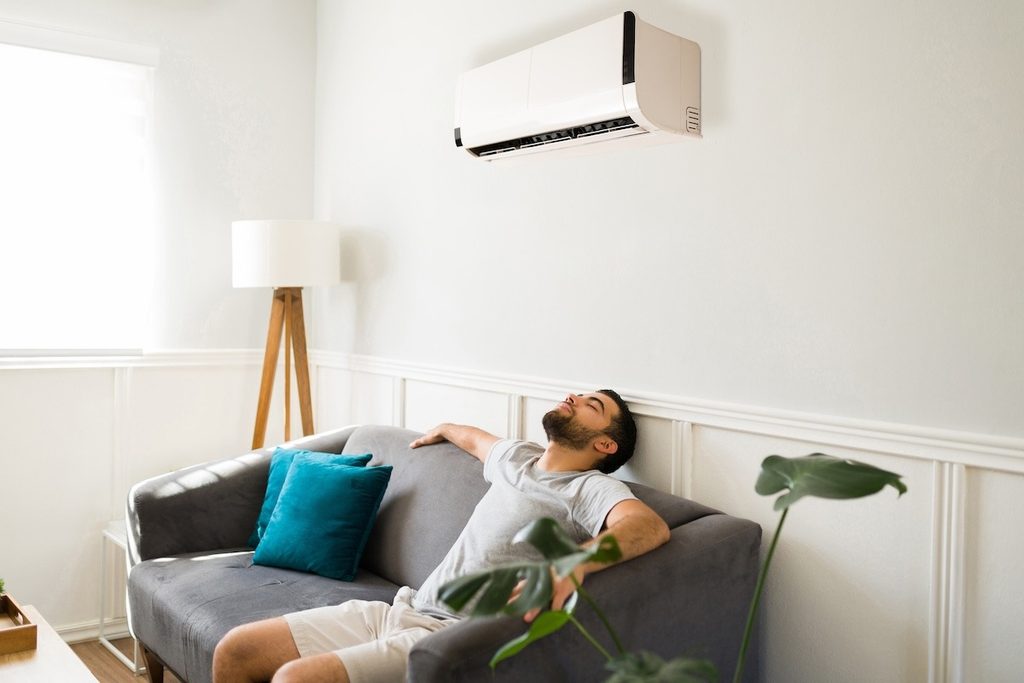
Small homes, apartments, and compact properties benefit from cooling systems that deliver consistent temperatures without occupying unnecessary space. Ductless mini-splits, window units, and appropriately sized central systems are popular choices. A properly selected Residential air conditioning system can maintain comfortable indoor temperatures while avoiding excessive electricity consumption. Homeowners should also consider installation requirements, noise levels, maintenance needs, and future operating costs before choosing their equipment.
Ductless Mini-Split Systems: A Smart Choice for Flexible Cooling
Ductless mini-split systems are excellent for smaller homes, converted garages, and properties without existing ductwork. They connect an outdoor compressor to one or more indoor air handlers, allowing homeowners to control individual spaces. Moreover, their compact design, quiet operation, and adjustable temperature settings make them an attractive alternative to traditional cooling equipment.
Key advantages include:
- Independent temperature control for different rooms.
- No extensive ductwork installation.
- Energy-saving inverter technology.
- Quiet indoor operation.
- Flexible installation for additions and renovations.
Top Air Conditioning Options for Large Homes
Large properties need cooling solutions that distribute conditioned air evenly throughout multiple rooms and floors. Central air conditioning systems are often suitable because they connect to ductwork and deliver consistent airflow. However, homes with separate living areas, high ceilings, or additional rooms may benefit from multiple systems or a carefully designed combination of cooling technologies.
Heat Pump Systems for Year-Round Comfort
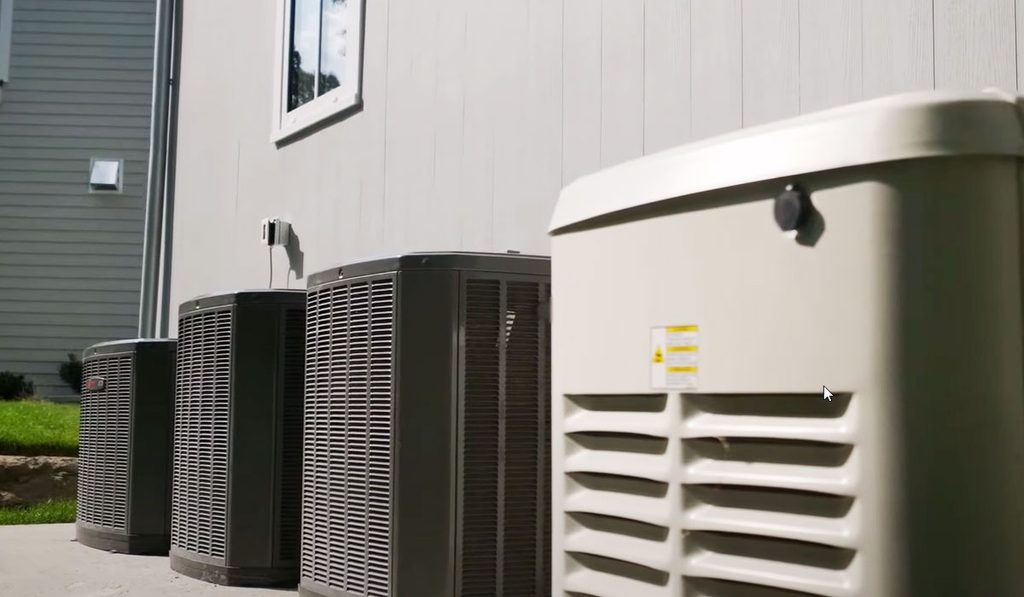
Heat pumps offer an appealing alternative to conventional cooling equipment because they provide both heating and cooling. During summer, they transfer indoor heat outside, while reversing their operation during colder weather. Additionally, modern heat pumps can deliver excellent energy performance when properly selected. They are worth considering for homeowners seeking comfortable indoor temperatures throughout changing seasons.
What Makes an Energy-Efficient Air Conditioning System?
An Energy-efficient air conditioning system uses electricity effectively while maintaining comfortable indoor temperatures. Modern equipment may include variable-speed compressors, advanced thermostats, and improved airflow technology. Furthermore, homeowners should compare SEER2 efficiency ratings rather than focusing exclusively on purchase prices. Proper insulation, sealed ductwork, and regular maintenance also help reduce unnecessary energy consumption.
How to Choose the Right AC Capacity for Your Property
Selecting the correct cooling capacity is essential for reliable performance. An undersized system may struggle during extremely hot afternoons, while an oversized unit can cycle too frequently and provide inadequate humidity control. HVAC professionals use Manual J load calculations to evaluate insulation, windows, ceiling heights, orientation, and occupancy before recommending appropriate equipment.
Important factors include:
- Total square footage and room layout.
- Number and size of windows.
- Ceiling height and insulation quality.
- Sunlight exposure throughout the day.
- Number of occupants and household activities.
Installation Quality Matters: Get Professional Help
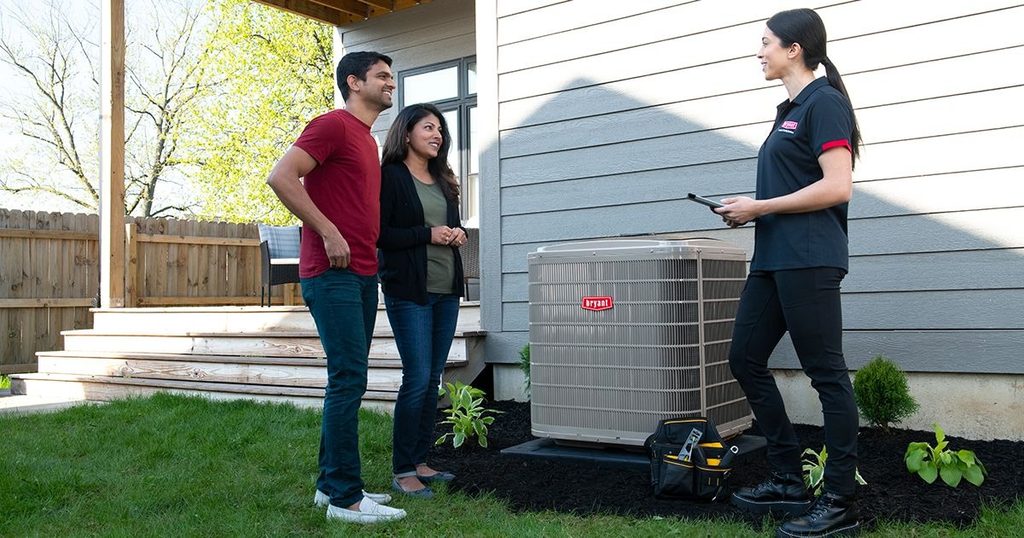
Even an excellent air conditioner cannot deliver its expected performance without proper installation. Professional technicians evaluate cooling requirements, inspect electrical connections, assess ductwork, and position equipment correctly. They also test refrigerant levels, airflow, and thermostat operation. If you’re planning an upgrade, explore professional AC installation services in Austin to understand how expert installation supports long-term system reliability.
Maintain Your AC System for Long-Lasting Performance
Regular maintenance protects your investment and helps your equipment operate efficiently. Homeowners should replace air filters according to manufacturer recommendations, keep outdoor units clear, and schedule professional inspections. Additionally, technicians can identify refrigerant problems, drainage issues, and electrical concerns before they develop into expensive repairs. Consistent maintenance also supports healthier airflow and dependable indoor comfort.
Conclusion
Choosing the best air conditioning system for your home depends on its size, layout, cooling requirements, and energy efficiency goals. While window units and ductless mini-splits work well for smaller spaces, central air conditioning and multi-zone systems offer effective cooling for larger properties. Ultimately, investing in the right system can improve indoor comfort, reduce energy consumption, and provide reliable performance throughout the year.
FAQs
Q: What is the best air conditioning system for a small home?
A: A ductless mini-split is an excellent option because it saves space, operates quietly, and provides efficient cooling. Window AC units may also work well depending on the home’s layout and cooling needs.
Q: Which AC system works best for large homes?
A: Central air conditioning with zoning is a popular choice for larger homes because it distributes cool air evenly. Multi-zone mini-splits can also provide customized temperature control for different rooms.
Q: Are ductless mini-split systems energy efficient?
A: Yes, ductless mini-splits are energy efficient, especially models with inverter technology that adjust cooling output automatically. They also minimize energy losses associated with traditional ductwork.
Q: How do I determine the correct AC size for my home?
A: An HVAC professional can perform a Manual J load calculation to determine the appropriate AC size. Factors include square footage, insulation, windows, ceiling height, and sunlight exposure.
Q: Is a heat pump better than a traditional air conditioner?
A: A heat pump provides both heating and cooling, making it a versatile option for year-round comfort. A traditional air conditioner only provides cooling, so your climate and heating needs should guide your decision.