by
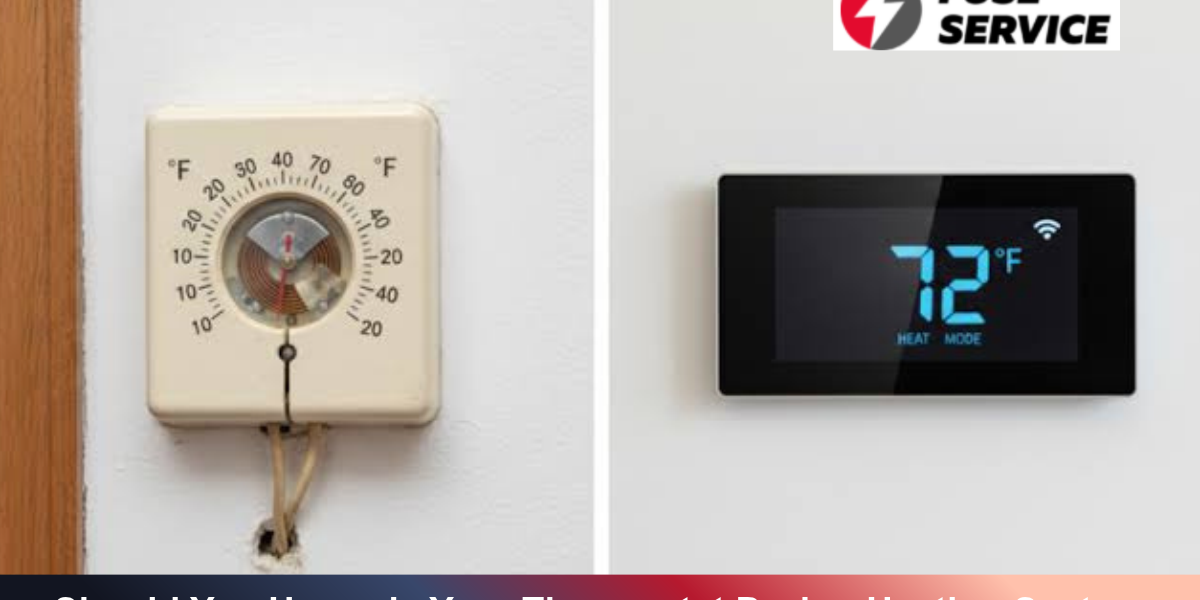
Upgrading your thermostat during heating system installation is a smart way to improve energy efficiency, comfort, and temperature control. A programmable or smart thermostat can help reduce energy bills, automate heating schedules, and ensure your new heating system operates efficiently.
Introduction
When installing a new heating system, most homeowners focus on choosing the right furnace, heat pump, or heating equipment. However, there’s another important component that deserves attention: the thermostat. This small device controls how your heating system operates and helps maintain a comfortable indoor temperature throughout the colder months. If your existing thermostat is outdated or doesn’t support modern features, upgrading it during installation could be a smart investment. After all, there’s little benefit in installing advanced heating equipment if your thermostat cannot take full advantage of its capabilities. A modern thermostat can offer convenient temperature control, customized schedules, and potentially lower energy consumption. So, should you upgrade your thermostat when installing a new heating system? Let’s explore the benefits, important considerations, and features that can help you make the right decision.
1. Why Your Thermostat Matters More Than You Think
Your thermostat is essentially the brain of your heating system. It communicates with your furnace or heat pump, monitors indoor temperatures, and tells the equipment when to turn on or off. Even a highly efficient heating system may not deliver the expected comfort if its thermostat is outdated or inaccurate. Therefore, choosing the right thermostat is just as important as selecting suitable heating equipment. A modern thermostat helps maintain consistent temperatures, supports convenient adjustments, and gives you greater control over your home’s heating environment.
2. Is It Worth Upgrading Your Thermostat During Heating Installation?
Absolutely! If you’re already investing in a New heating system installation, upgrading your thermostat at the same time can be a practical decision. Older thermostats may lack programmable settings, remote access, or compatibility with newer heating equipment. Instead of keeping an outdated device, consider installing a modern model that supports your new system. Furthermore, combining both upgrades can save you the inconvenience of scheduling another appointment. However, if your existing thermostat is relatively new and fully compatible, replacing it may not be necessary. The best approach is to evaluate its condition, features, and compatibility before spending extra money.
3. Discover the Benefits of Installing a Modern Thermostat
A modern thermostat can make everyday heating management easier while helping you maintain a comfortable home. Depending on the model, you may enjoy several useful features that traditional thermostats simply don’t offer.
- Better temperature control: Maintain comfortable indoor temperatures with more precise settings.
- Programmable schedules: Set heating preferences according to your daily routine.
- Remote access: Adjust temperatures through a smartphone app, even when you’re away.
- Energy management: Monitor heating habits and identify opportunities to reduce unnecessary energy use.
- Smart automation: Certain models can adjust temperatures based on occupancy, schedules, or learned preferences.
These advantages make thermostat upgrades a valuable consideration during Residential heating installation, especially for homeowners looking for greater convenience and control.
4. Explore Different Types of Thermostats Before Choosing
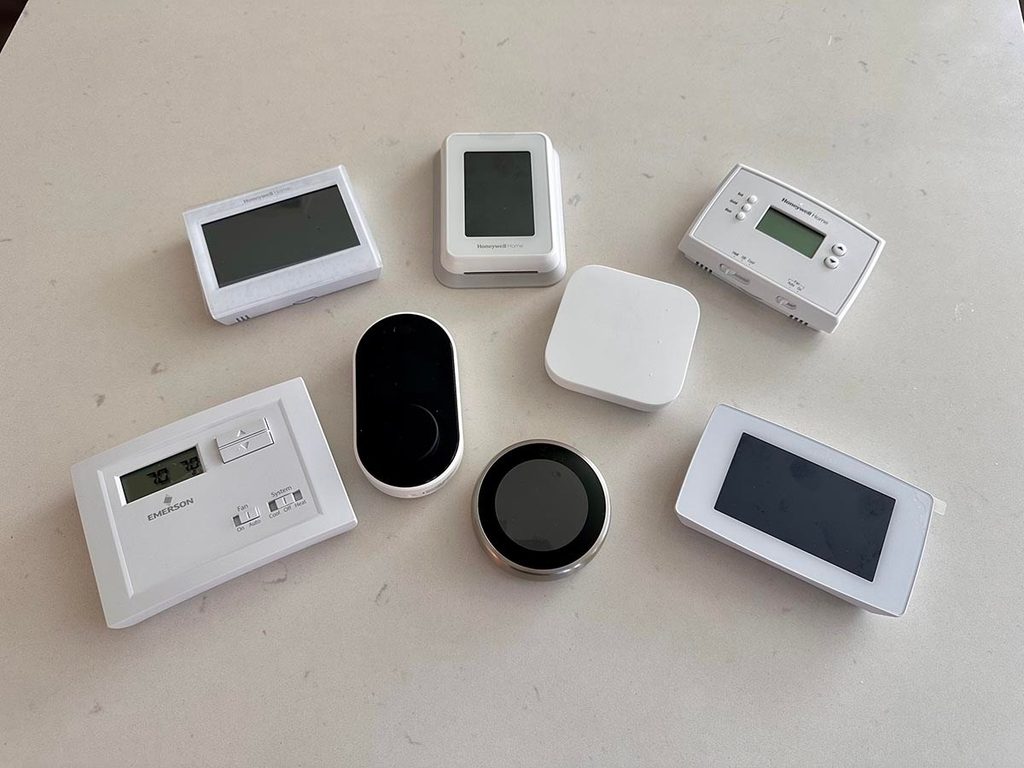
Not all thermostats offer the same features, so it’s important to understand your options before purchasing one. Manual thermostats provide basic temperature adjustments and are generally affordable. Programmable thermostats allow you to create heating schedules for different times of the day. On the other hand, smart thermostats offer advanced features such as Wi-Fi connectivity, smartphone controls, learning capabilities, and energy reports. While smart models may provide additional convenience, they aren’t necessary for every household. Consider your budget, daily routine, and heating requirements before selecting a thermostat that complements your new equipment.
5. Can a Smart Thermostat Help Reduce Heating Costs?
One of the biggest reasons homeowners consider upgrading is the potential to manage energy consumption more effectively. Smart thermostats allow you to adjust temperatures remotely, create schedules, and avoid heating an empty home unnecessarily. For example, you can lower the temperature while everyone is at work and schedule it to increase before the family returns. Some models also use occupancy sensors or geofencing to make automatic adjustments. However, actual savings depend on your home’s insulation, climate, heating habits, and equipment efficiency. A smart thermostat won’t automatically reduce every energy bill, but it can help you avoid unnecessary heating and make smarter temperature decisions.
6. Check Compatibility Before Purchasing a New Thermostat
Before purchasing a thermostat, make sure it works with your heating equipment. Different systems have different wiring and control requirements. For example, some furnaces use conventional low-voltage thermostats, while certain heat pumps require additional connections for auxiliary heating. Smart thermostats may also need a common wire, commonly called a C-wire, to maintain continuous power. During HVAC heating installation, ask your technician to inspect the existing wiring and verify compatibility with your chosen thermostat.
Important things to check include:
- Your heating system’s voltage and wiring configuration.
- Compatibility with furnaces, heat pumps, or electric heating equipment.
- C-wire availability or alternative power requirements.
- Support for single-stage or multi-stage heating.
- Compatibility with zoning systems and additional temperature sensors.
Taking these steps can prevent unnecessary expenses and help ensure your thermostat operates correctly.
7. Why Upgrading During Heating Installation Can Be More Convenient
Replacing your thermostat during a heating installation can simplify the entire process. Since the technician is already working with your heating equipment, they can inspect the existing thermostat, evaluate wiring, and complete the necessary connections during the same appointment. This may also eliminate the need for another service visit later. Additionally, professional technicians can configure the thermostat, test heating cycles, and explain how to use its features. However, combined installation doesn’t always guarantee lower labor costs, so request an itemized estimate before making your decision. Choosing Heater installation services that include thermostat integration can make the upgrade more convenient and help ensure everything works together properly.
8. Which Thermostat Features Should You Look For?
Choosing a thermostat isn’t just about buying the latest model. You want something that genuinely improves your daily routine and works with your heating equipment. For example, homeowners with busy schedules may appreciate smartphone controls, while families looking for better temperature management may benefit from programmable settings. Consider these useful features when comparing different models:
- Wi-Fi connectivity: Manage heating settings through a compatible smartphone application.
- Custom scheduling: Set different temperatures throughout the day.
- Voice control: Adjust settings using supported smart home assistants.
- Energy reports: Review heating patterns and identify possible energy-saving opportunities.
- Room sensors: Monitor temperatures in different areas of your home.
- Easy-to-use controls: Choose an interface that everyone in your household can operate comfortably.
During Professional heating installation, discuss these features with your technician to find a thermostat that matches your requirements without paying for unnecessary extras.
9. When Should You Keep Your Existing Thermostat?
Although upgrading offers several advantages, replacing your thermostat isn’t always essential. If your existing device is relatively new, accurately controls temperatures, and supports your replacement heating equipment, keeping it may be the more economical choice. Some homeowners also prefer traditional manual controls instead of smart technology. Furthermore, certain advanced heating systems require specific communicating thermostats, which means a generic smart model may not be suitable. Before making a purchase, ask your installer to inspect your current thermostat and explain whether it can support the new equipment. This simple evaluation can help you avoid unnecessary spending while ensuring your heating system performs reliably.
10. Why Professional Thermostat Installation Makes a Difference
Installing a thermostat involves more than attaching it to a wall and connecting a few wires. Incorrect wiring, incompatible settings, or improper configuration can affect heating performance and potentially damage equipment. During Home heating installation, a qualified technician can identify the correct wiring, configure temperature settings, test heating cycles, and verify communication between the thermostat and heating equipment. Professional assistance is particularly important when installing advanced smart thermostats or systems with multiple heating stages. If you’re planning an upgrade, explore Fuse Service’s heating installation services in Austin, TX, to learn more about professional installation solutions for your home.
Conclusion
Upgrading your thermostat during heating system installation can be a worthwhile investment, especially if your existing device is outdated or incompatible with modern equipment. A new thermostat can provide convenient scheduling, remote temperature adjustments, improved control, and opportunities to reduce unnecessary energy consumption. However, the right choice depends on your heating system, household needs, and budget. Before buying, consult an experienced technician who can assess compatibility and recommend suitable options. With the right thermostat and properly installed heating equipment, you can enjoy reliable warmth, better comfort, and greater control throughout the colder months. Contact Fuse Service HVAC and Appliance Repair Austin for professional heating installation in Austin, TX, and make your next heating upgrade a smart one!
FAQs
Q1. Should I replace my thermostat when installing a new furnace?
Consider replacing your thermostat if your existing model is outdated, inaccurate, or incompatible with the new furnace. A modern thermostat can provide better scheduling and temperature control. However, a compatible thermostat in good condition may not need replacement.
Q2. Will upgrading my thermostat reduce energy bills?
It can help reduce unnecessary energy consumption by allowing you to schedule temperatures and adjust settings when nobody is home. However, actual savings depend on your heating habits, insulation, climate, and equipment efficiency.
Q3. Can I install a smart thermostat with any heating system?
No, not every smart thermostat works with every heating system. Compatibility depends on wiring, voltage, equipment type, and control requirements. Always check the manufacturer’s compatibility information or consult a professional installer.
Q4. Is professional thermostat installation necessary?
Some thermostats support DIY installation, but professional assistance is recommended when installing new heating equipment. A technician can handle wiring, configure settings, and verify that everything operates correctly.
Q5. What is the difference between a programmable and smart thermostat?
A programmable thermostat allows you to schedule temperatures according to specific times. A smart thermostat generally offers additional features such as Wi-Fi connectivity, remote access, automation, and sometimes energy usage reports.
Q6. Can a smart thermostat fix uneven heating throughout my home?
Not necessarily. Smart thermostats with additional room sensors may help manage temperature differences, but uneven heating can also result from ductwork problems, poor insulation, restricted airflow, or improper system sizing.