by
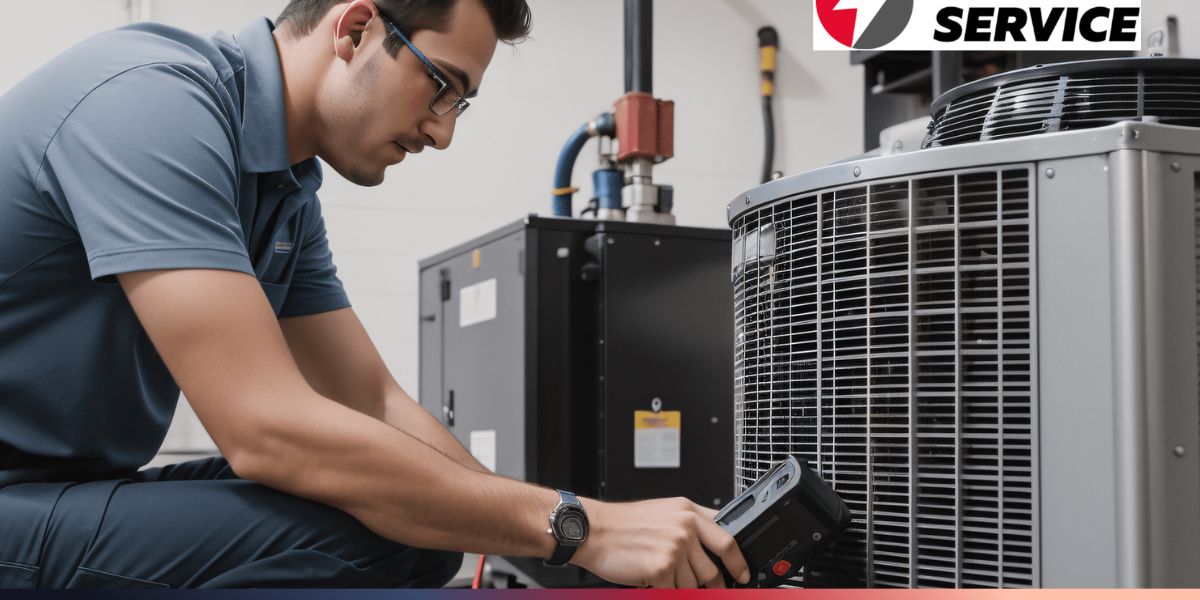
Comparing affordable heating installation services helps homeowners balance cost, quality, and energy efficiency. Evaluate multiple quotes, compare equipment options, check customer reviews, and verify warranties to choose a reliable contractor. Professional installation can improve home comfort, reduce energy bills, and deliver long-term value.
Introduction
Choosing the right heating installation service is essential for maintaining a comfortable home without exceeding your budget. However, finding an affordable option does not mean you have to compromise on quality, efficiency, or reliability. With several contractors offering different prices, equipment options, and warranties, comparing services can help you make a smarter decision. Start by reviewing customer feedback, requesting detailed estimates, and checking the contractor’s experience and credentials. Additionally, consider energy-efficient heating systems that can reduce long-term utility costs. By understanding these important factors, you can confidently select an affordable heating installation service that meets your household’s needs and budget.
1. Compare Installation Quotes Before Making a Decision
Start by requesting written estimates from at least three contractors. Affordable heating system installation should include suitable equipment, labor, necessary materials, and clearly explained fees. Instead of choosing the lowest price immediately, compare what each estimate covers. This approach helps you identify missing services, avoid unexpected charges, and determine which contractor offers the best overall value for your home.
2. Check Contractor Credentials and Professional Experience
A reasonable price means little if the installation is performed incorrectly. Look for licensed and insured contractors who have experience with your preferred heating system. Professional heating installation services should include proper equipment sizing, safe installation practices, and system testing. Additionally, review customer feedback, verify credentials where applicable, and ask about experience with homes similar to yours.
3. Explore Energy-Efficient Heating Systems to Save More
Energy efficiency can make a significant difference in your long-term heating expenses. Although efficient equipment may cost more initially, it can reduce energy consumption when properly selected and installed. Compare furnaces, heat pumps, and other suitable systems according to your climate, home size, and energy rates. Ask contractors to explain efficiency ratings and estimate potential operating costs.
4. Understand What Each Installation Package Includes
Before signing an agreement, confirm exactly what the quoted price covers. Some contractors include thermostat installation, old equipment removal, basic adjustments, and startup testing, while others charge separately. Cost-effective heating installation services should clearly explain every included task and any additional expenses. A detailed proposal makes it easier to compare contractors fairly and prevent unpleasant surprises later.
5. Choose a Heating System That Matches Your Home
The right equipment depends on your home’s size, insulation, layout, and existing ductwork. Residential heating system installation should begin with an assessment rather than a guess based only on square footage. An oversized system may cycle frequently, while an undersized unit may struggle during cold weather. Ask the contractor to explain how they determine the appropriate heating capacity.
6. Ask About Financing, Rebates, and Seasonal Discounts
A tight budget does not necessarily mean postponing an essential heating upgrade. Ask contractors about promotional pricing, payment plans, manufacturer offers, and locally available energy incentives. However, verify eligibility and read the terms before committing. Budget-friendly heating system installation means evaluating the total cost, financing charges, and potential savings rather than focusing only on a discounted upfront price.
Consider these practical money-saving opportunities:
- Request itemized quotes and ask whether discounts apply to the complete installation.
- Check utility-company programs and government incentive eligibility.
- Compare financing interest rates, fees, and repayment periods.
- Schedule installation during less busy periods when practical, and confirm any seasonal discounts in writing.
7. Evaluate Warranty Coverage and After-Installation Support
A good installation should provide more than a functioning heater on day one. Ask about manufacturer warranties, workmanship coverage, maintenance requirements, and the process for requesting repairs. A trustworthy heating system installation company will explain what the warranty covers and what could void it. Strong after-installation support can help protect your investment and reduce the risk of avoidable expenses.
8. Read Customer Reviews and Compare Local Contractors
Customer reviews can reveal useful details about punctuality, communication, pricing transparency, and installation quality. Look for consistent patterns across several independent review platforms instead of relying on one glowing testimonial. Also, ask friends or neighbors about their experiences. A local contractor with a strong reputation may provide dependable service and clearer accountability throughout your heating installation project.
9. Look Beyond the Initial Price to Calculate Total Value
The cheapest estimate is not always the most economical choice over time. Consider expected energy use, equipment durability, maintenance needs, warranty protection, and the contractor’s installation standards. Compare the initial investment with likely operating expenses over several years. This broader perspective helps you choose a heating solution that balances affordability, comfort, and reliable performance without unnecessary compromises.
10. Ask These Questions Before Hiring an Installer
Before making your final choice, speak directly with each contractor and request clear answers. A qualified professional should explain the installation process, expected timeline, equipment options, and any work needed to prepare your home. If the answers seem vague or the contractor pressures you to sign immediately, take a step back and compare alternatives.
- Will you assess my home and calculate the correct system size?
- Does your estimate include labor, materials, permits where required, and equipment removal?
- What warranties and post-installation services do you provide?
- Are there potential extra charges, and how will you approve them?
- Can you provide references or examples of similar completed projects?
11. Make a Confident Choice With Professional Heating Installation
Once you have compared pricing, equipment, warranties, and contractor qualifications, choose the option that best fits your home and budget. A dependable installation can improve comfort, support energy efficiency, and reduce avoidable repair issues. To explore available options, visit Fuse Service HVAC and Appliance Repair Austin’s heating installation page. Discuss your heating needs with a qualified professional, request a detailed estimate, and confirm the complete scope of work before scheduling installation.
Wrapping Up
In conclusion, comparing affordable heating installation services helps homeowners find the right balance between cost, quality, and long-term performance. By reviewing estimates, checking customer reviews, verifying licenses, and comparing equipment warranties, you can make a confident decision without compromising comfort or safety. Additionally, choosing experienced professionals can improve energy efficiency and reduce unexpected repair expenses. If you are planning a heating system upgrade, Fuse Service HVAC and Appliance Repair Austin can help you explore reliable heating solutions for your home. Invest in professional installation today to enjoy consistent warmth, improved efficiency, and dependable comfort throughout the colder months.
FAQs
Q: How can I find affordable heating system installation services?
A: Request multiple written estimates, compare equipment specifications, check contractor credentials, and ask about available rebates. Evaluate warranties and long-term energy costs instead of choosing a contractor based solely on the lowest initial price.
Q: What affects the cost of a new heating system?
A: Costs depend on equipment type, system capacity, energy efficiency, labor, ductwork modifications, electrical requirements, permits, and removal of existing equipment. Home layout and installation complexity can also influence the final estimate.
Q: Is a cheaper heating system always a better choice?
A: No. A lower-priced system may have higher operating costs or not have enough capacity for your home. Compare efficiency, reliability, installation quality, maintenance needs, and warranty coverage before making a decision.
Q: How many installation quotes should I compare?
A: Three written estimates provide a useful starting point. Comparing multiple proposals helps you identify differences in equipment, labor, warranties, and additional fees while giving you a clearer understanding of local pricing.
Q: How do I know which heating system is right for my home?
A: Consider your climate, home size, insulation, existing ductwork, energy prices, and household comfort preferences. Ask a qualified contractor to assess your home and explain the appropriate system capacity and equipment options.
Q: What should a heating installation estimate include?
A: A detailed estimate should identify the equipment, labor, materials, installation tasks, applicable permits, removal fees, warranty terms, payment schedule, and potential additional charges. Ask the contractor to clarify anything that is missing or unclear.