by
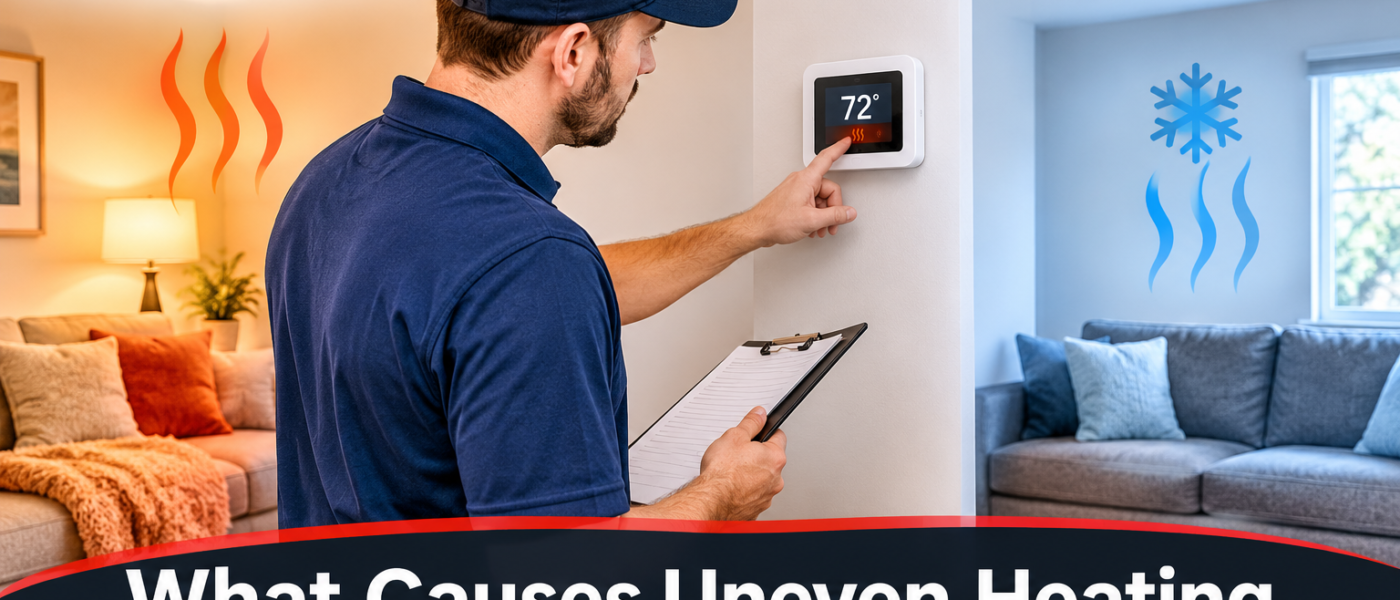
Uneven heating after a new system installation can result from improperly sized equipment, incorrect thermostat placement, blocked or poorly designed ductwork, and unbalanced airflow. Poor insulation or incorrect system calibration can also prevent certain rooms from receiving enough warm air.
Introduction
Installing a new heating system should make your home more comfortable, improve energy efficiency, and provide consistent warmth throughout every room. However, what happens when you turn on your brand-new heating system and notice that some rooms feel cozy while others remain surprisingly cold? It can be frustrating, especially after investing in a new system. Many homeowners assume that a new installation automatically guarantees perfect heating, but several factors can affect how effectively warm air reaches different areas of a house. From improperly balanced ductwork and incorrect thermostat placement to poor insulation and equipment sizing issues, even a newly installed system can experience heating problems. Fortunately, most of these issues have practical solutions. Understanding what causes uneven heating after a new system installation can help you identify potential problems, protect your investment, and enjoy a consistently comfortable indoor environment.
1. Incorrect Heating System Sizing Can Create Temperature Differences
One of the most common reasons behind uneven heating is choosing equipment that does not match your home’s heating requirements. If the system is too small, it may struggle to distribute enough warmth throughout the property. On the other hand, an oversized system may heat certain rooms too quickly and shut down before distributing warmth evenly. During professional heating system installation, technicians should evaluate square footage, ceiling height, insulation, windows, and other factors. Proper equipment sizing helps maintain consistent temperatures, improves efficiency, and prevents unnecessary wear and tear. Therefore, homeowners should never select a heating unit based on price or size alone.
2. Poorly Balanced Ductwork Restricts Warm Air Distribution
Your ductwork plays an essential role in delivering heated air to every room. Even when you purchase an advanced heating unit, poorly designed or unbalanced ducts can prevent warm air from reaching certain areas. For example, bedrooms at the end of long duct runs may receive less airflow than rooms located near the furnace. Additionally, incorrectly adjusted dampers, undersized ducts, and poor duct connections can create noticeable temperature differences. During a new heating installation, technicians should inspect the duct system and balance airflow. This step ensures that each room receives an appropriate amount of heated air instead of leaving certain spaces uncomfortable.
3. Blocked or Closed Air Vents Reduce Heating Performance
Sometimes, uneven heating has a surprisingly simple explanation: blocked or improperly adjusted air vents. Furniture, rugs, curtains, and household belongings can restrict airflow and prevent warm air from circulating properly. Meanwhile, closed supply registers may reduce the amount of heat entering particular rooms.
Here are a few things homeowners should check:
- Move furniture away from supply and return vents.
- Make sure air registers remain open and unobstructed.
- Remove dust and debris from accessible vent openings.
- Check whether curtains or rugs cover important airflow pathways.
- Avoid closing multiple vents to redirect heat into other rooms.
Although these adjustments seem minor, they can make a noticeable difference. However, if the problem continues, a professional inspection may identify deeper airflow restrictions.
4. Incorrect Thermostat Placement Causes Uneven Temperatures
Your thermostat determines when the heating system starts and stops. Therefore, its location can significantly affect indoor comfort. If technicians install the thermostat near a sunny window, kitchen appliance, fireplace, or other heat source, it may register temperatures that don’t represent the rest of your home. As a result, the heating system might shut down while other rooms remain cold. For successful residential heating installation, technicians should position thermostats in suitable locations with representative airflow. Smart thermostats and properly configured zoning controls can also help homeowners manage different temperature preferences throughout their properties.
5. Insufficient Insulation Allows Heat to Escape
Even a properly installed heating system cannot maintain comfortable temperatures if your home loses heat too quickly. Poor insulation in attics, exterior walls, crawl spaces, and ceilings allows warm air to escape while cold outdoor air enters. As a result, certain rooms may feel colder than others, particularly during chilly winter mornings. Pay attention to these common problem areas:
- Attic insulation that has deteriorated or become compressed.
- Gaps around windows and exterior doors.
- Unsealed openings around plumbing and electrical connections.
- Poorly insulated exterior walls and floors.
- Air leaks around attic access panels.
Improving insulation and sealing air leaks can help your heating system maintain more consistent indoor temperatures without working unnecessarily hard.
6. Installation Mistakes Can Affect Heating Performance
A new system requires more than connecting equipment and turning it on. Every component must work together correctly to deliver dependable heating. Unfortunately, installation mistakes can create performance problems from the beginning. Incorrect electrical connections, improperly configured controls, refrigerant-related issues in heat pumps, and poorly sealed duct connections can all affect system operation. Professional heating installation involves equipment setup, airflow verification, safety checks, and performance testing. If uneven heating begins immediately after installation, contact the installing contractor rather than attempting complicated adjustments yourself. A qualified technician can identify installation-related problems and make the necessary corrections.
7. Central Heating Installation May Require Proper Zoning
Not every room in a house has identical heating requirements. For instance, a room with large windows may lose heat faster than an interior bedroom. Similarly, upstairs spaces may experience different temperature conditions than downstairs areas. A central heating installation should account for these differences through appropriate system design and airflow management. In larger properties, zoning systems can provide additional control by dividing the home into separate heating areas. Each zone can use its own thermostat, allowing homeowners to adjust temperatures according to individual comfort needs. This approach can reduce temperature differences and improve overall heating control.
8. Dirty Filters and Restricted Airflow Can Cause Problems
A newly installed heating system still requires regular maintenance to perform efficiently. One frequently overlooked component is the air filter. When dust, pet hair, and airborne particles accumulate, the filter can restrict airflow and reduce the amount of heated air circulating through your home. Consequently, some rooms may receive insufficient warmth. Check your filter according to the manufacturer’s recommendations and replace it when necessary. Also, keep return-air grilles clean and schedule routine maintenance. These simple habits support better airflow, protect internal components, and help your new heating equipment maintain reliable performance throughout the colder months.
9. Heat Pump Settings and Outdoor Conditions Matter
If your home uses a heat pump, its operating settings can influence indoor comfort. Heat pumps transfer heat rather than generating it through conventional combustion. During particularly cold weather, their heating capacity may change, and certain systems use auxiliary heat to maintain indoor temperatures. Incorrect thermostat settings, configuration problems, or outdoor-unit airflow restrictions can also affect performance. Homeowners should check that the thermostat remains in heating mode and avoid frequently switching between settings. If the system runs continuously without maintaining comfortable temperatures, arrange a professional inspection. A technician can evaluate the equipment, controls, and airflow to identify the underlying issue.
10. When to Consider Heating System Replacement or Professional Help
Sometimes, uneven heating indicates that the original equipment was not suitable for the property or that an existing system has developed significant problems. Although a recently installed unit should not require replacement simply because temperatures differ between rooms, persistent performance issues deserve attention. A technician can determine whether adjustments, duct repairs, improved insulation, or additional controls will solve the problem. If an older heating unit cannot meet your home’s requirements, heating system replacement may provide a more dependable long-term solution. For homeowners planning a new project, proper home heating installation begins with an accurate assessment and professional system design.
11. Improve Your Home’s Comfort With Professional Heating Installation
Uneven heating can turn an otherwise comfortable home into a frustrating environment. Fortunately, the right installation approach, balanced airflow, suitable equipment, and regular maintenance can prevent many common heating problems. Whether you are installing a new furnace, upgrading an existing unit, or planning a complete heating upgrade, professional assistance makes a difference. Fuse Service HVAC and Appliance Repair provides heating installation services in Austin, TX, helping homeowners make informed decisions about their indoor comfort.
Final Thoughts
Uneven heating after a new system installation can result from improper system sizing, incorrect thermostat placement, blocked vents, ductwork issues, or poor airflow. Although these problems can be frustrating, identifying their root cause early can help restore consistent indoor comfort and prevent unnecessary energy waste. Regular maintenance and professional inspections also play an important role in keeping your heating system running efficiently. If some rooms remain colder than others, don’t ignore the warning signs. Contact Fuse Service HVAC and Appliance Repair in Austin, TX, for professional heating installation and repair services to ensure your home stays comfortable throughout the winter.
FAQs
1. Why is my house heating unevenly after installing a new heating system?
Uneven heating can result from incorrectly sized equipment, unbalanced ductwork, blocked vents, poor insulation, or incorrect thermostat placement. An installation inspection can help identify the exact cause.
2. Is uneven heating normal after a new heating installation?
Minor temperature differences can occur because rooms have different insulation levels, layouts, and heating requirements. However, significant or persistent differences should not be ignored. Have a qualified technician evaluate the system.
3. Can ductwork cause uneven heating in different rooms?
Yes. Leaking ducts, restricted airflow, poorly designed duct runs, and incorrectly adjusted dampers can prevent warm air from reaching certain rooms. Professional duct inspection and balancing can improve distribution.
4. How can I make my newly installed heating system heat every room evenly?
Start by keeping vents unobstructed, checking air filters, sealing air leaks, and adjusting thermostat settings appropriately. If these steps do not help, ask a professional to inspect ductwork, equipment sizing, and system configuration.
5. How long does a professional heating system installation take?
Installation time depends on equipment type, property size, existing ductwork, and project complexity. A straightforward replacement may take a day, while more extensive installations can require additional time.
6. Does a larger heating system provide better warmth?
Not necessarily. An oversized unit can cycle too frequently, create temperature fluctuations, and waste energy. Choosing equipment based on a professional heating load calculation is more important than simply selecting a larger unit.
7. When should I call a heating technician?
Contact a professional when certain rooms remain consistently cold, airflow seems weak, unusual noises occur, or the system cannot maintain the desired temperature. If you notice burning odors, smoke, or a carbon monoxide alarm, follow appropriate safety procedures and seek immediate assistance.