by
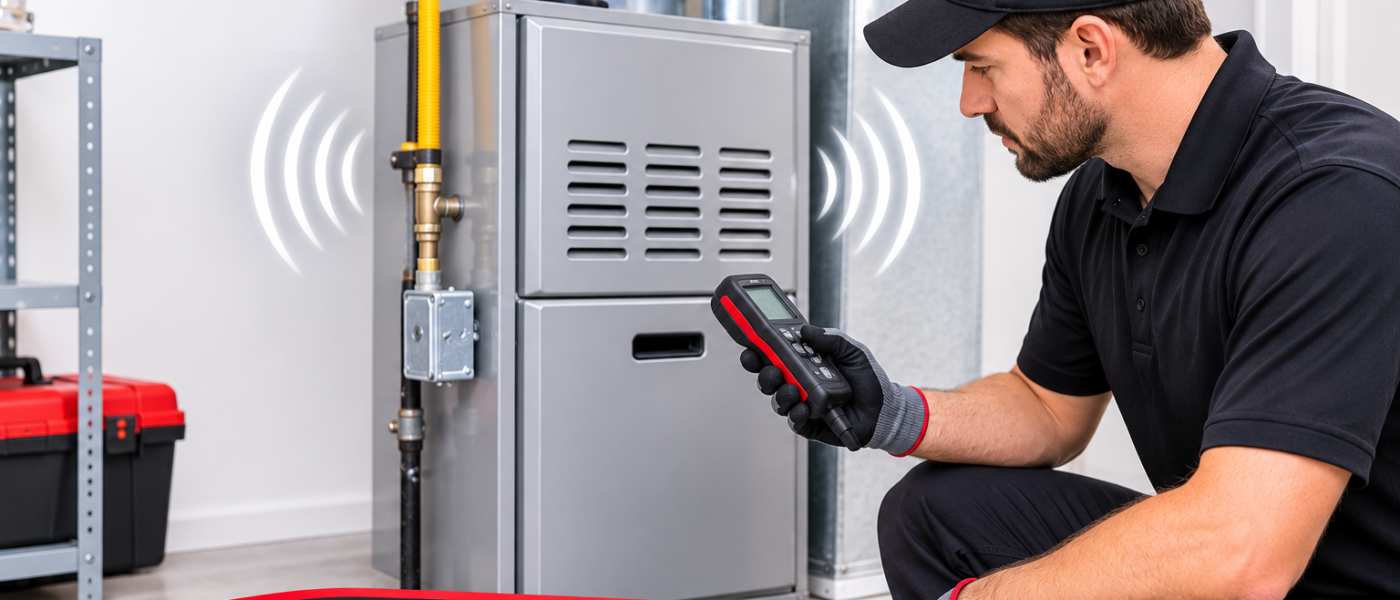
Strange noises after installing a new furnace may result from loose components, improperly secured ductwork, airflow restrictions, or expanding and contracting metal parts. While some sounds are normal, persistent banging, rattling, squealing, or grinding may indicate installation issues that require professional inspection.
Introduction
A new furnace should make your home feel warm, comfortable, and peaceful. However, hearing strange noises shortly after installation can make you wonder whether something went wrong. From loud banging and rattling to whistling, buzzing, and unusual humming, different sounds can point to different installation or equipment problems. While some noises are completely normal during the first few heating cycles, others may indicate loose components, airflow restrictions, ductwork issues, or incorrect system setup. The good news is that most furnace noises have identifiable causes and can be addressed before they turn into expensive repairs. Understanding these sounds helps homeowners know when to monitor their new system and when to call a professional. Whether you have recently completed a New furnace installation or replaced an older heating unit, recognizing unusual sounds can help protect your investment and maintain reliable indoor comfort throughout the colder months.
1. Which Furnace Noises Are Normal After Installation?
Not every sound means trouble. A newly installed furnace may produce soft clicking, gentle humming, or occasional metallic popping as its components warm up. These sounds often disappear after a few heating cycles. However, loud banging, continuous grinding, or repeated rattling deserves attention because it may indicate loose parts, airflow problems, or installation issues.
2. Loose Components Can Cause Rattling and Vibrations
Loose screws, access panels, mounting brackets, or internal components can create rattling sounds when the furnace operates. Even a small installation issue can produce noticeable vibrations throughout your home. A qualified technician can inspect the cabinet, secure loose connections, and check the blower assembly to prevent further noise and potential equipment damage.
3. Incorrect Ductwork Installation May Create Loud Popping Sounds
Ductwork expands and contracts as heated air moves through it. Consequently, improperly supported ducts, undersized passages, or poorly connected joints may produce popping, banging, or vibrating sounds. Professional installers should inspect the duct system to ensure it accommodates the furnace’s airflow requirements.
Common ductwork-related problems include:
- Loose duct connections and metal panels.
- Incorrectly sized supply or return ducts.
- Insufficient duct supports or mounting brackets.
- Restricted airflow caused by poorly positioned vents.
4. Blower Motor Problems Can Produce Unusual Sounds
The blower motor distributes heated air throughout your property. If its mounting hardware is loose, the fan wheel is unbalanced, or something interferes with its movement, you may hear humming, scraping, or rattling. A technician should inspect the blower assembly rather than allowing the system to operate with persistent mechanical noise.
Watch for these warning signs:
- Loud humming that becomes stronger over time.
- Scraping sounds during blower operation.
- Vibrations coming from the furnace cabinet.
- Weak airflow from multiple supply vents.
5. Airflow Restrictions Can Make Your Furnace Whistle
A high-pitched whistling sound often indicates that air is moving through a restricted opening. A clogged filter, blocked return vent, undersized ductwork, or closed supply registers can increase resistance and create unwanted noise. Check the filter and keep vents unobstructed. If whistling continues, request a professional airflow assessment.
6. Gas Furnace Ignition Issues May Cause Banging
A loud bang when a gas furnace starts can indicate delayed ignition. This happens when gas accumulates before igniting, potentially creating a sudden combustion noise. Although ductwork can also pop during startup, never assume a loud combustion-related bang is harmless. Turn off the furnace and contact a qualified HVAC professional.
7. Poor Installation and Incorrect System Sizing Can Increase Noise
Incorrect equipment placement, inadequate clearance, improper leveling, and mismatched ductwork can make a new furnace noisier than expected. Professional furnace installation involves more than connecting equipment; technicians must evaluate heating loads, airflow, venting, and manufacturer requirements. Proper sizing and setup help reduce unnecessary strain and improve overall system performance.
8. How to Identify Different Furnace Sounds
Pay attention to when a noise occurs, how long it lasts, and whether it changes during operation. These details can help technicians identify potential problems faster. For example, startup noises may indicate ignition or expansion issues, while continuous scraping may suggest a mechanical problem requiring immediate inspection.
| Sound | Possible cause |
| Banging | Duct expansion or delayed ignition |
| Rattling | Loose panels or components |
| Whistling | Restricted airflow |
| Grinding | Blower motor or moving parts |
| Humming | Electrical or motor vibration |
| Clicking | Ignition sequence or normal operation |
9. What Should You Do When Your New Furnace Makes Strange Noises?
Before attempting to troubleshoot the system, identify the sound and when it occurs. You can safely check accessible air filters and ensure supply vents remain open. However, never remove furnace panels, adjust gas connections, or inspect electrical components yourself. If the noise persists, arrange a professional inspection to identify the underlying cause.
Here are some practical steps:
- Check the air filter: Replace a dirty filter with the correct size and type.
- Inspect accessible vents: Make sure furniture and other objects do not block airflow.
- Observe operating patterns: Notice whether noises occur during startup, heating, or shutdown.
- Record unusual sounds: A short recording may help technicians understand the problem.
- Schedule an inspection: Contact an HVAC professional if unusual noises continue.
10. Why Professional Furnace Installation Makes a Difference
Professional installation helps prevent many noise-related problems before they develop. Whether you need Residential furnace installation or Commercial furnace installation, technicians must consider equipment sizing, duct compatibility, electrical connections, and proper venting. Reliable HVAC furnace installation also includes testing the system after setup. For dependable heating performance, explore Fuse Service’s furnace installation services.
Different properties require different installation approaches. Gas furnace installation, for example, requires careful attention to combustion, gas connections, and exhaust venting. Similarly, Heating system installation should follow manufacturer specifications and applicable safety requirements. If your existing equipment cannot be repaired economically, professional Furnace replacement services can help you select a suitable upgrade.
Conclusion
Strange noises after installing a new furnace may result from loose components, ductwork expansion, airflow problems, or improper installation. While some minor sounds are normal during initial operation, persistent banging, rattling, squealing, or grinding noises should never be ignored. Addressing these issues early can prevent costly repairs, improve heating efficiency, and extend your furnace’s lifespan. Therefore, always schedule a professional inspection if unusual sounds continue. With expert furnace installation and regular maintenance from Fuse Service in Austin, TX, you can enjoy reliable heating, better comfort, and peace of mind throughout the winter.
FAQs
Is it normal for a brand-new furnace to make noise?
Yes, some soft clicking, humming, and occasional duct expansion sounds are normal. However, persistent banging, grinding, or loud rattling should not be ignored. A technician can determine whether the noise comes from normal operation or an installation-related problem.
Why does my new furnace make a loud bang when starting?
A loud bang may come from expanding ductwork or delayed ignition in a gas furnace. Because delayed ignition can create a safety hazard, turn off the system and contact a qualified HVAC technician if the sound appears to originate inside the furnace.
How long should a new furnace make unusual noises?
Minor expansion sounds may occur during the first few heating cycles. Nevertheless, persistent or increasingly loud noises are not something homeowners should simply wait out. Have the installer inspect the equipment if unusual sounds continue.
Can incorrectly installed ductwork cause furnace noises?
Absolutely. Loose connections, unsupported metal ducts, undersized passages, and airflow restrictions can cause popping, rattling, and whistling. A professional ductwork inspection can identify these problems and help restore quieter airflow.
Should I turn off my furnace if it starts grinding?
Yes. Grinding may indicate a problem with the blower motor, fan wheel, or another moving component. Turn off the system and arrange professional service rather than continuing to operate equipment that may be experiencing mechanical damage.
Can a dirty air filter make a new furnace noisy?
Yes. A clogged filter restricts airflow and can create whistling, unusual humming, or increased operating strain. Check the filter regularly and replace it according to the manufacturer’s recommendations.
When should I contact a furnace installation professional?
Contact an HVAC professional when noises persist, become louder, or accompany weak airflow, unusual odors, frequent shutdowns, or inconsistent heating. If you smell gas, leave the building without operating electrical switches and contact your gas utility or emergency services from a safe location.